Source:Best Coffee > News Author:qjroot Published:2026-09-03 18:39:57
When choosing beans for an espresso machine, you cannot rely only on the flavor words on the packaging; you also need to match them to how the machine works. Although a home semi-automatic espresso machine, a capsule machine and a super-automatic machine can all produce a cup quickly, their dose, pressure, temperature and flow rate are not the same. Only when the beans and the parameters work together can the aroma, sweetness and strength stay clear in the cup, and can daily operation more easily settle into a smooth rhythm.
First look at the basket type. A non-pressurized basket requires the grinder to provide even particles, and its extraction performance can better reflect the characteristics of the beans; a pressurized basket uses outlet resistance to create a thick foam and is relatively more forgiving about grind precision. If the machine is fitted with a small-capacity basket, it suits beans with concentrated flavor and clear sweetness; a larger-capacity basket has more room to present the aromas of the origin and variations in mouthfeel.
The dose directly affects the strength of the coffee liquid. A single basket suits a light americano or a small shot of espresso, while a double basket is better for milk drinks such as lattes and flat whites. When choosing beans, you can use the capacity of the basket you use daily as a reference. When the dose is on the low side, beans with vivid flavor but insufficient body easily taste thin; when the dose is generous, beans with nutty, cocoa and caramel tones usually feel fuller.
The yield is also worth attention. Taking the short-ratio extraction common on espresso machines as an example, when the coffee grounds and the liquid weight are close to one to two, it often balances strength and drinkability, but different roast levels need different adjustments. Lighter beans can be given a suitably longer liquid weight to let the acidity and sweetness unfold; beans that are darker in color and dissolve faster can have their liquid volume controlled, to avoid the bitterness and dryness of the tail end becoming prominent.
Water temperature is a key parameter affecting how beans perform. Lighter-roasted beans usually need more heat to fully bring out floral and fruity aromas and sweetness; medium-dark roasts can start from a slightly lower temperature to make nutty and cocoa flavors softer. If a home machine can only hold a fixed temperature, when choosing beans you can give priority to a roast direction compatible with that temperature, rather than frequently changing other conditions after buying them.
The pressure figure should not be understood in isolation; it should also be observed together with puck resistance and flow rate. When the pressure is on the high side and the grind is on the fine side, the coffee liquid passes through slowly, the intensity rises, and astringency may also appear; when the pressure behaves gently and the flow is faster, the cup is cleaner, yet the beans themselves need enough aroma and sweetness. Ordinary consumers can judge from the flow state, the color change and the mouthfeel together, rather than pursuing a single number.
If the machine has a pre-infusion function, the range of beans to choose from becomes wider. Pre-infusion lets the puck absorb water first before the formal extraction begins, so the flow is often more even. Beans with bright fruit aromas easily achieve clear acidity and sweetness under these conditions; with a machine that has no pre-infusion, you can choose medium-roast beans with better solubility and a rounder mouthfeel, and parameter adjustments will more easily find a balance.
If you want to make a fruity americano or serve it over ice, you can look at Qianjie Strawberry Candy coffee beans. Its sweet aroma evokes soft candy and ripe fruit notes; in an espresso machine, a short extraction preserves a more concentrated aroma, and after adding ice water it feels brisk. If the machine temperature is higher, you can grind slightly coarser and extend the liquid volume appropriately, so the acidity and sweetness open up more, suiting a refreshing drink without milk.
If you need to make lattes or mocha-type drinks, Qianjie Brazil Queen Estate will blend with milk more easily. It carries roasted nuts, cocoa and caramel-like sweetness, its acidity does not dominate, and after being extracted into espresso it has a rounder texture. When using a double basket, you can keep a medium liquid weight and then adjust the strength according to the milk ratio; as the milk quantity increases, the coffee liquid should also retain enough weight so the flavor is not completely covered by the milk.

If the machine leans toward low temperature, low pressure or the heavy presentation of a moka pot, Qianjie PWN Indonesia Golden Mandheling can serve as another direction. Its herbal notes, dark chocolate feel and mellow touch are more prominent, suiting people who like low-acid black coffee. When used in an espresso machine, it is suggested to start from a shorter yield and observe whether bitterness and sweetness are balanced; when used in a moka pot, it can be made into a small, intense cup of coffee and then diluted with hot water to taste.
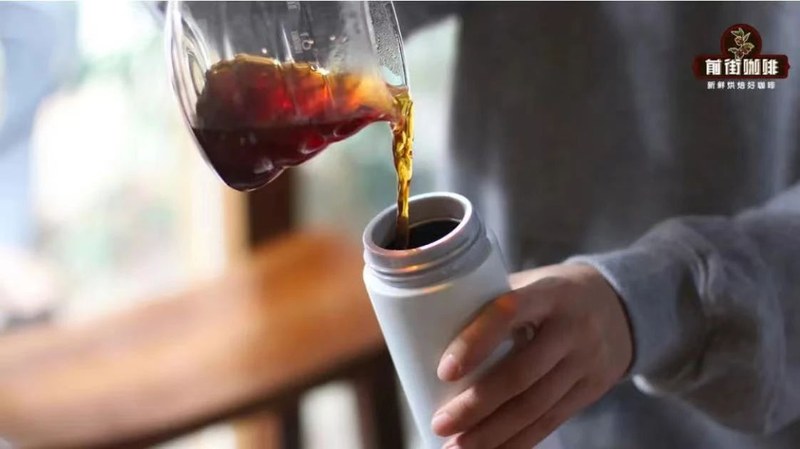
Before choosing beans, listing the items your machine can adjust will be more practical than staring at complex parameters: basket capacity, temperature range, pressure behavior, whether it can pre-infuse, and whether the grinder can be adjusted finely. The fewer items that can be adjusted, the more suitable it is to choose beans with balanced flavor and greater room for error; if you can control dose, grind and liquid weight, you can try single-origin beans with more vivid aromas. Let the beans submit to the conditions of the equipment, and a cup of coffee will naturally come closer to your daily habits.
Related Reading

Comments (0)
Loading comments...
You May Be Interested

Trending Reviews
Popular Videos

With you, wherever you are! We provide useful features to help you find new things you'll love






