Source:Best Coffee > News Author:qjroot Published:2024-10-15 18:40:45
Recently, Honduras held the first coffee summit in its capital Tegucigalpa, providing a platform for exchange among representatives of the 33 member states of the Community of Latin American and Caribbean States (CELAC), aiming to promote agriculture and household economies and to support regional development.

At this summit, Honduran coffee received great attention, its coffee bean quality improving year by year globally, with export volume ranking third in Latin America and fifth in the world. In fact, Honduran coffee beans have long been underrated by the public, all because the Honduran coffee industry developed more slowly in its early days than neighboring countries such as Guatemala and El Salvador.
Coffee was first introduced to Honduras in the late 18th century, and by the 19th century coffee was already being grown on a small scale. However, due to the country's many mountain ranges, relatively backward transportation infrastructure and lack of ports, coffee was difficult to export and was basically produced and consumed locally. By the mid-20th century, Honduras began to advance its industrialization process, starting to build roads and ports. In the 21st century, it began seeking international cooperation, joining the Central America Free Trade Agreement and establishing cooperative relations with other Central American countries, which only then promoted the country's industrial development.
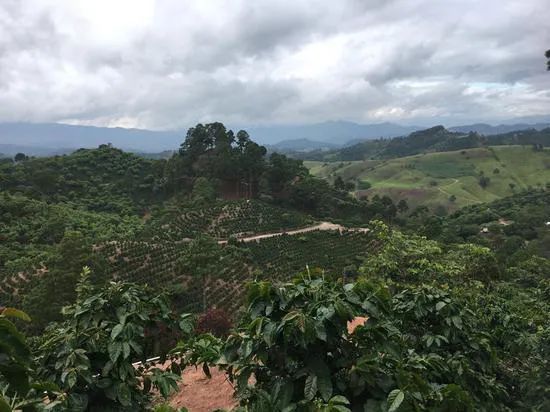
In addition, the government specifically created an official institution for coffee, the Instituto Hondureno del Cafe (IHCAFE), dedicated to improving coffee production and quality. Thanks to Honduras's topography, with its many mountain ranges, lava plateaus and river valleys, it is very well suited to agriculture such as coffee cultivation. By 2011, Honduras's coffee production began to rise and surpassed neighboring countries such as Costa Rica and Guatemala, becoming the largest coffee-producing country in Central America in terms of output.
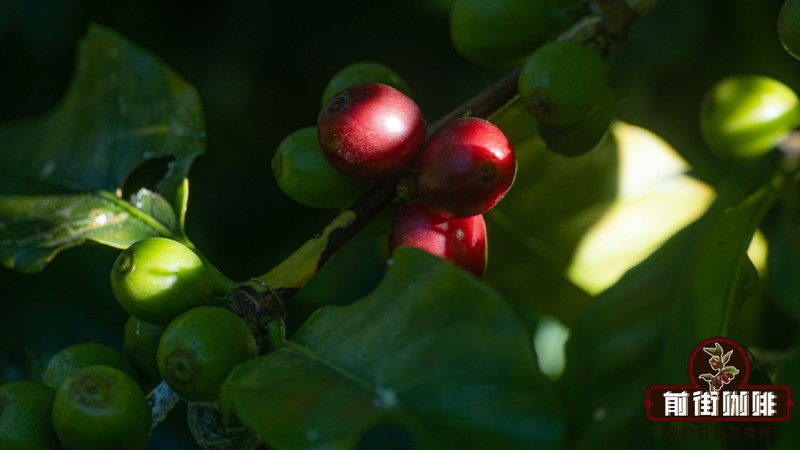
In recent years, while maintaining high production, Honduras has also focused on developing coffee quality, and during this period many high-quality coffee estates have emerged, such as El Naranjo. El Naranjo is located in the Marcala area of the La Paz department in the Mentecillos region. This place enjoys a superior geographical location and rich natural resources, with many mountains and river valleys, and a mild, humid climate suitable for agricultural and tourism development. The coffee it producesis full of rich fruity and sweet aromas, paired with lemon and floral notes. Lemon and fruit aromas are its important characteristics, especially peach and orange, with a lively, bright acidity, a velvety texture, and a persistent finish.
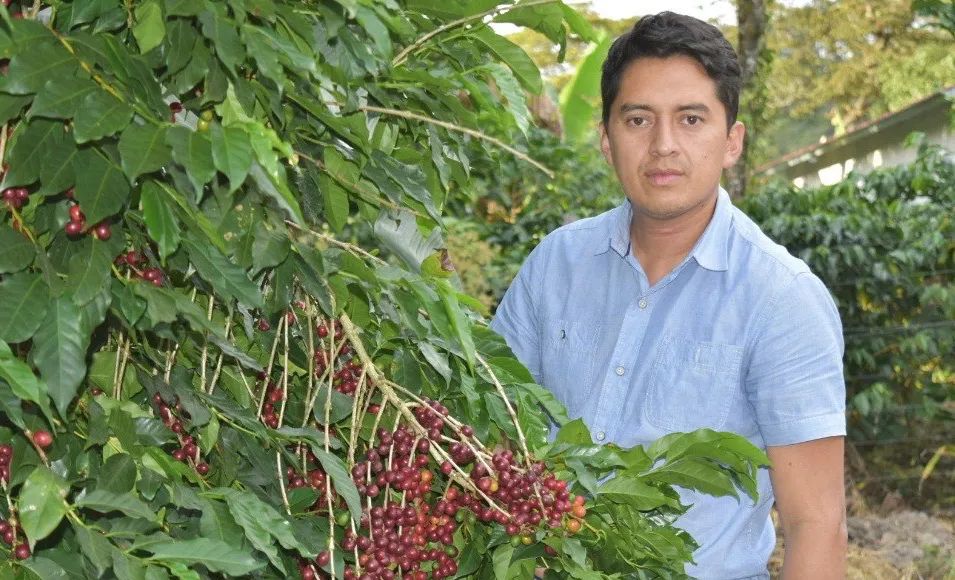
Currently, El Naranjo is managed by Roger Antonio Dominguez Marquez and his wife Carmen Fabiola Fiallos Melendez. Because there are many tall orange trees on the estate serving as shade trees, it was named El Naranjo (Sweet Orange Estate). All along, estate owner Roger and his wife Carmen have been committed to producing coffee in the Marcala region in order to enhance the influence of that community.
Estate owner Roger was born into a coffee family and developed a strong interest in coffee cultivation from a young age. After his father passed away, he took over the estate and manages it together with his wife Carmen. To this day, the couple also own several estates including Las Flores, El Guatal and La Cueva. Most of these estates are located at 1300-1500 m, with El Naranjo the highest, reaching 1800 m, making it one of the highest-altitude estates in the country. At present, the estate mainly grows Catuai and Geisha varieties.
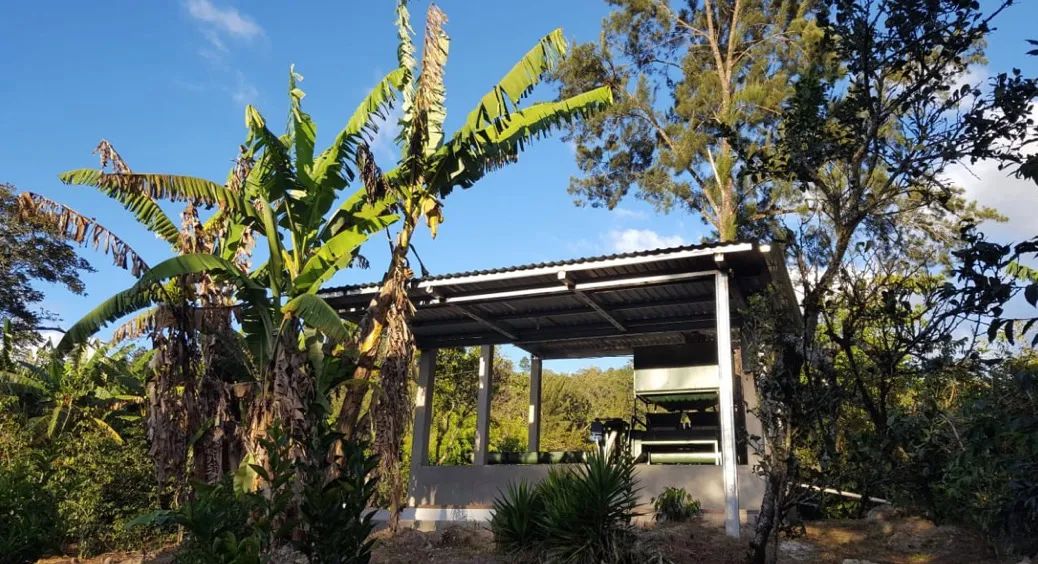
Moreover, they attach great importance to every step of coffee production, adopting very strict quality standards and continuously checking coffee quality by sending samples to the IHCAFE laboratory. Under their careful tending, the high-quality coffee produced by these estates has won awards in Honduras's Cup of Excellence (COE) competition multiple times. At the same time, their estates have long participated in the Origin Denomination program (Origin Denomination ) supported by IHCAFE, committing to environmental protection and sustainable production, and promoting local communities and the international influence of Honduran coffee.
To learn more about coffee origins and news, please scan the QR code to follow: Kaping
Long-press the QR code to follow:

Related Reading

Comments (0)
Loading comments...
You May Be Interested



Trending Reviews
Popular Videos

With you, wherever you are! We provide useful features to help you find new things you'll love






