Source:Best Coffee > News Author:qjroot Published:2024-10-17 18:59:25
According to Colombian media reports, on local time October 11, the Colombian government peace negotiation delegation and the faction of the former largest anti-government armed group "Revolutionary Armed Forces of Colombia" known as "Caraca" held the sixth round of peace negotiations in the capital Bogota.

By October 16, the Colombian government peace negotiation delegation announced that it would extend the ceasefire agreement with the faction of the former largest anti-government armed group "Revolutionary Armed Forces of Colombia" known as "Caraca" for 6 months starting immediately, extending it to April 15, 2025.
It is understood that the "Revolutionary Armed Forces of Colombia" has multiple factions, and "Caraca" is currently the only anti-government armed group negotiating with the government, so there are still many security issues in Colombia at present. In particular, the "Central General Staff" suspended peace talks with the Colombian government in November last year and has since constantly broken out in armed conflicts with government forces.
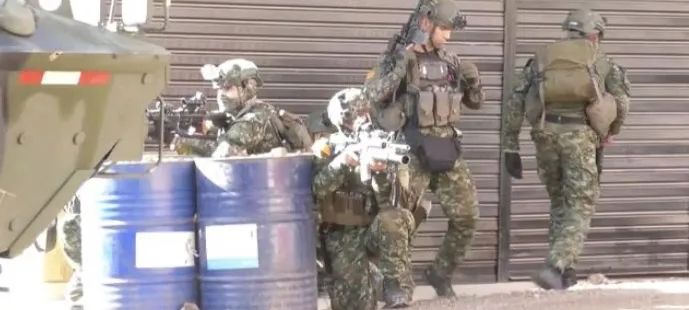
Until recently, the "Central General Staff" split into two factions, east and west. The eastern faction continued to hold peace negotiations with the government, but the western faction operates in Cauca Department and Valle del Cauca Department and is unwilling to negotiate with the government. Therefore, on October 12, Colombian President Petro authorized a comprehensive strike against the western faction of the former anti-government armed group "Revolutionary Armed Forces of Colombia" faction "Central General Staff".
In this operation, the Colombian military dispatched more than 1,400 soldiers in total and deployed heavy equipment including fighter jets, tanks and artillery. It launched a raid on a village in Cauca Department in the southwest, which was both the main stronghold of the western faction of the "Central General Staff" and an important hub for the organization's drug trafficking activities. According to the Colombian president, the western faction of the "Central General Staff" recently attacked security forces and civilians with grenades and drones, causing at least 17 people to be injured, and the Colombian military had to carry out a "reciprocal" counterattack.
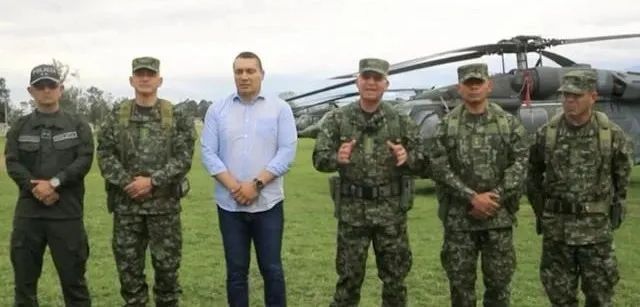
It is reported that in recent times, the Colombian government forces and anti-government armed groups have been continuously breaking out in severe conflicts in the Cauca Department region in the southwest, affecting the security and economic development of the area. It is said that in September, a large area of mountain forest caught fire due to the outbreak of conflict in the region, all because the area is mostly mountainous forest, the anti-government armed groups mostly hide in the mountains, and the fierce exchange of fire between the two sides caused the mountain fire.
Because during this period, the entire South America is facing the threat of dry and arid weather, plus Colombia is in autumn, strong winds and the dry climate accelerated the spread of the fire, and the mountainous forest is the main terrain, it is difficult for consumer force vehicles to enter, firefighting work is very difficult, resulting in large areas of land and mountain forest being burned, a large number of coffee and other crops damaged, and also affecting the surrounding water sources.
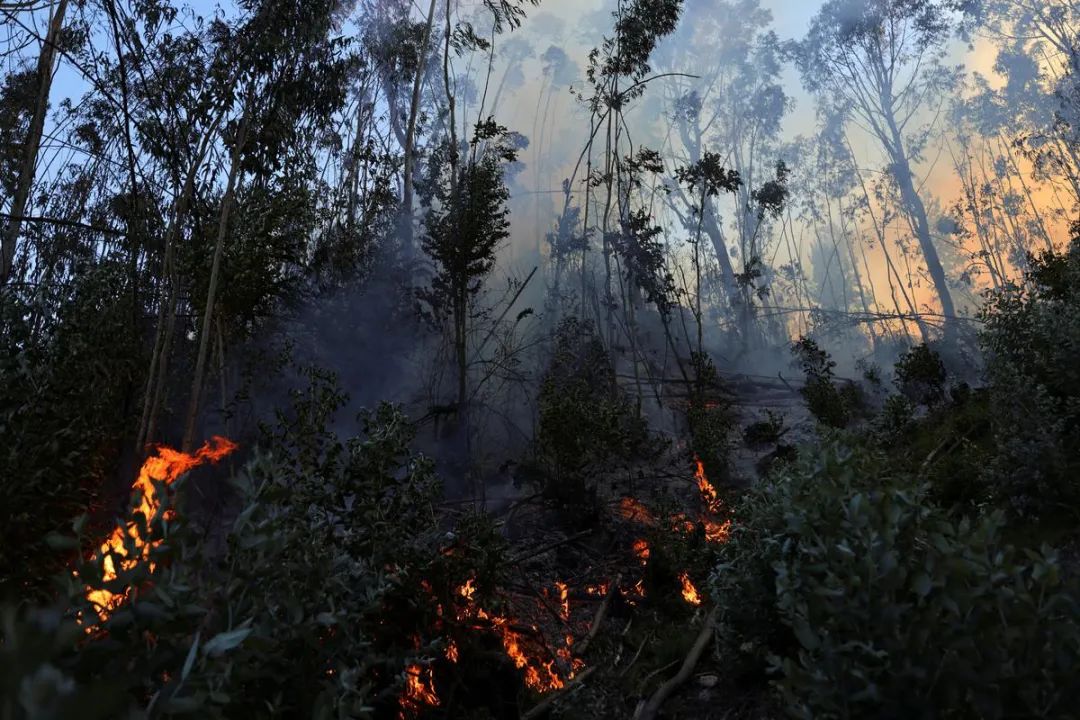
In addition to Cauca Department, other regions of Colombia have also caused fires due to the high temperature and arid weather. According to a report previously released by Colombia's National Unit for Disaster Risk Management, at least 12 forest fires are still burning continuously, and 5 regions are on alert.
In the past month, recorded forest fires have destroyed more than 44,000 hectares of forest, pasture and crops. The regions most severely affected by forest fires are mainly located in western Colombia, including Huila Department, Cauca Department, Narino Department, Valle del Cauca Department and Tolima Department. These regions are major coffee producing areas and previously experienced high temperatures exceeding 41°C. It was not until early October that many places in Colombia welcomed rainfall, and the situation eased somewhat.
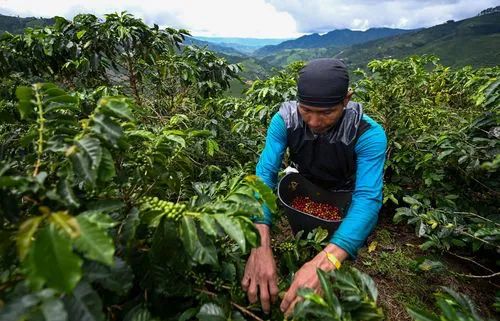
At present, for Colombia's coffee industry, earlier extreme weather such as drought and fires severely hit Colombia's coffee industry, causing coffee production to decline. According to the latest data, Colombia's coffee production in August was 1.05 million bags, a decrease of nearly 100,000 bags compared with the coffee production of the previous few months, resulting in a reduction in the volume available for export.
However, the Colombian Coffee Growers Federation FNC said that after three consecutive years of production decline affected by the earlier La Niña weather, Colombia is now working hard to recover, and coffee production has increased by 15% compared with last year, so the region is currently peaceful and secure, and recovery and development is one of the key issues the country's government needs to solve.
To learn more about coffee origins and news, please scan the QR code to follow: Kaping
Long-press the QR code to follow:

Related Reading






Comments (0)
Loading comments...
You May Be Interested




Trending Reviews
Popular Videos

With you, wherever you are! We provide useful features to help you find new things you'll love






