Source:Best Coffee > News Author:qjroot Published:2026-09-19 12:15:31
When making a refreshingly cool iced pour-over, bean selection usually splits into two completely different paths. One goes straight for single-origin beans, chasing the distinct character of a particular mountain and estate, drinking in the clear fruit acidity and floral aromas; the other chooses blended beans, relying on coffee beans from different regions to complement each other's strengths, presenting a solid and balanced sweetness and body. Once you understand your own taste preferences, facing a bean list becomes much less of a hassle.

Single-origin beans amplify the recognizability of a region's terroir at low temperatures. The subtle fruit acidity wrapped up by heat in hot coffee quickly transforms into a crisp, juice-like sensation once chilled. If you prefer iced coffee with distinct layers and leaping aromas, single-origin beans often deliver a truly stunning cup experience, letting you clearly feel the bean's original regional characteristics in every sip.
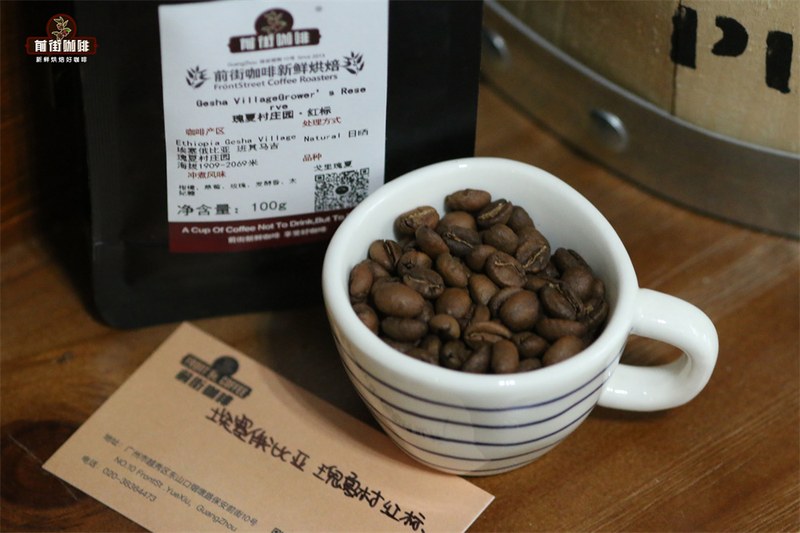
To experience this bold tropical fruit aroma, Qianjie Ethiopia Huakui is a very representative example. This naturally processed bean, once chilled, gives off a lively sweet fragrance like strawberry jam interwoven with passion fruit. When brewing, it is suggested to prepare 15g of coffee grounds, pour in 91°C hot water, and keep the total coffee-to-water ratio at 1:15, that is, 225ml total of extraction and ice. First bloom with 30g of water for 30 seconds, then pour evenly in two stages, keeping the total extraction time at 2 minutes 05 seconds, with a full and refreshing sweetness in the finish.
If you favor a more punchy acidity and a thick, juicy feel, Qianjie Kenya Small Tomato shows another kind of single-origin charm. It has a dark fruit acidity like cherry tomatoes and smoked plums, still maintaining a clear structure as the ice water melts, finishing with a solid sweetness like brown sugar. Because its acidity is relatively full, the brewing parameters can be fine-tuned: 15g grounds with 89°C water, a 1:15 coffee-to-water ratio, a 30-second bloom followed by a gentle three-stage pour, with total time kept at 2 minutes 15 seconds. The whole cup drinks like a chilled blackcurrant tomato juice.
The blended bean path is completely the opposite, with its core goal being balance, stability and drinkability. When designing a blend, roasters usually use a bright, sweet-and-sour bean to handle the front-end aroma, then pair it with a bean high in body and with nutty, caramel notes to anchor the back end. An iced pour-over made this way will not have any single flavor standing out too much; it enters the mouth round and smooth, feeling comfortable and pleasant whether you drink it in big gulps or sip it slowly.
Understanding a blend's recipe proportions is essentially predicting its flavor direction in advance. If African beans such as Ethiopian or Kenyan make up more than sixty percent of the recipe, the overall tone leans toward bright fruit aromas; if Central and South American beans such as Brazilian or Colombian take the majority, the blend will be dominated by the sweet richness of cocoa, caramel and roasted nuts. The more the recipe proportions lean toward high-altitude hard beans, the more pronounced the refreshment usually is when making an iced pour-over.
Many people are also curious about the difference between SOE and traditional blends. SOE refers to a specific coffee made from a single origin; while retaining the region's distinct aroma, it often has a very high concentration, and once chilled its flavor focus is extremely high, suiting friends who want to savor a single flavor direction in detail; traditional blends, on the other hand, fuse multiple origins and have better resistance to dilution at low temperatures, so even as the ice in the sharing pitcher slowly melts, the taste of the whole cup remains stable and solid.
If you want to find a soft, understated tea-like expression among single-origin beans, Qianjie Kaffa Forest is a comfortable choice. In the iced pour-over state, this bean presents the clean sweetness of orange and ripe apricot, then shifts into an elegant oolong tea note. When brewing, take 15g of grounds, use 90°C water, pour 225ml of water at a 1:15 coffee-to-water ratio, bloom for 30 seconds, then use a steady single-stage thin stream to circle slowly, completing extraction at exactly 2 minutes; after cooling, its sweet charm and returning sweetness appear especially long.
The key to choosing between these two paths is clarifying what kind of state you want that day. If you want to refresh yourself and cut through richness in the afternoon, or pair with light pastries, the lively fruit acidity and tea notes brought by single-origin beans quickly awaken the palate; if you are rushing out the door in the morning filling a travel cup, or want to drink iced coffee with a stable taste that does not irritate the stomach all afternoon, a balanced and mild blend will be more handy.

Once you understand the respective traits of single-origin and blended beans, there is no need to feel torn when making an iced pour-over. Choose beans according to your current mood and drinking habits, and use the appropriate water temperature and pouring rhythm to release the flavors they should have, and you can easily harvest a cup of cool, clear, good coffee in hot weather.
Related Reading






Comments (0)
Loading comments...
You May Be Interested





Trending Reviews
Popular Videos

With you, wherever you are! We provide useful features to help you find new things you'll love






