Source:Best Coffee > News Author:qjroot Published:2026-09-07 10:13:31
For coffee beans suitable for a latte, you should not only look at the cupping description, but also at whether they can form a clear aroma and texture in espresso form. Nutty and cocoa notes are suitable for pairing with more milk, while fruity beans require controlling the amount of milk and the extraction concentration. Once the beans are chosen, working backward from the target cup volume to the espresso recipe often makes it easier to achieve a harmonious result.
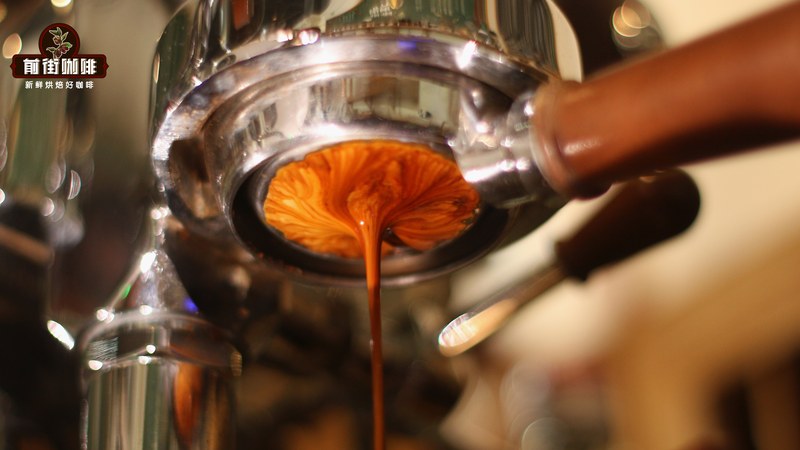
For a home espresso machine, you can use 18 g of coffee as a baseline for dialing in, first extracting 34 to 38 g of coffee liquid, with the time falling between 26 and 30 seconds, and the pump pressure maintained at 8 to 9 bar. This range makes it convenient to observe how the bean's sweetness, acidity and bitterness unfold. If you plan to add about 180 g of milk, you can keep the yield a bit tighter; for making a small latte, you can appropriately extend the liquid weight to increase aroma.
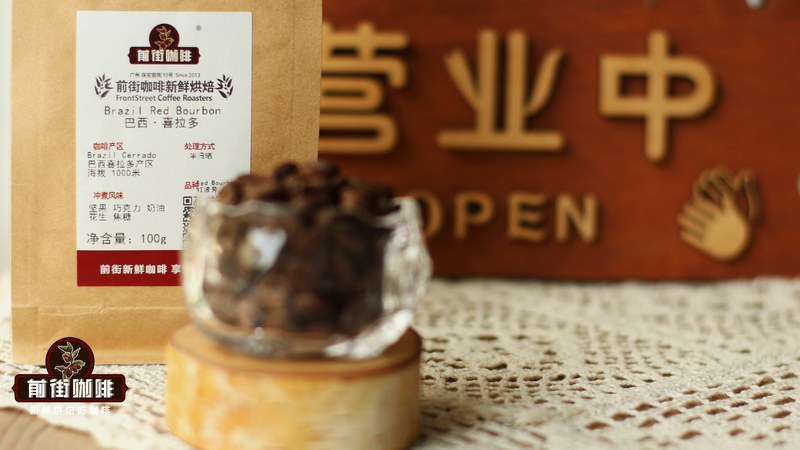
Qianjie Boutique Blend is composed of Brazil Cerrado and Colombia Huila, with a palate that easily brings to mind roasted nuts, toffee and soft cocoa, suitable for making a latte with both clear milk aroma and coffee character. It is recommended to start with 91°C, 18 g of coffee extracting 36 g of liquid, adjust the grind so the flow rate is stable, and pair with 150 to 180 g of milk, which will make the overall cup appear round.
If the espresso made with Boutique Blend seems slightly bright, you can tighten the grind setting a little to increase the yield time by two or three seconds; if there is obvious burnt bitterness in the finish, then lower the water temperature to 90°C, or keep the liquid weight at around 34 g. Heating the milk to 55 to 60°C is sufficient; if the temperature is not too high, the caramel-like sweet aroma will more easily remain in the cup.
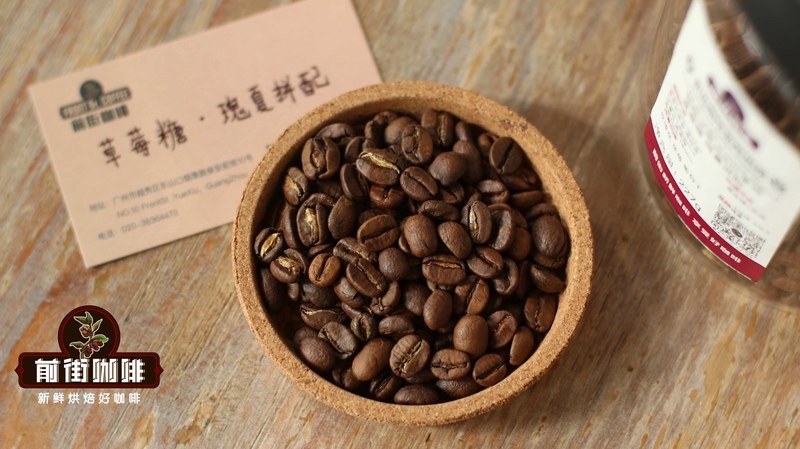
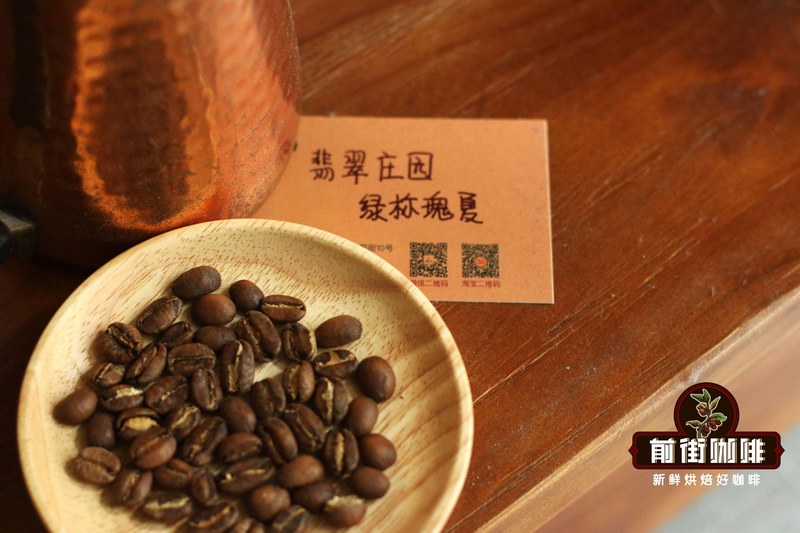
If you want the latte to have a distinct fruity aroma, you can try Qianjie Strawberry Candy coffee beans. Its aroma is close to red berry candy and ripe fruit sweetness, and it is more recognizable when made into a small milk coffee. The espresso recipe can be tried from 18 g of coffee, 40 to 42 g yield, 28 to 32 seconds, with the water temperature set at 92 to 93°C, using a fuller extraction to support the fruit sweetness.
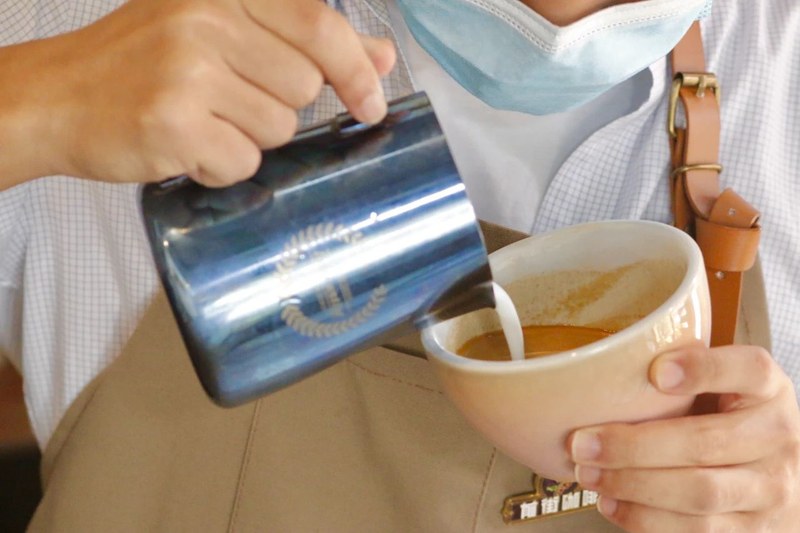
When pairing Strawberry Candy with milk, it is recommended to keep the milk amount at 100 to 140 g and control the milk temperature at about 55°C. A lower milk temperature can preserve a more vivid berry aroma, and thin microfoam is also more suitable than a heavy foam layer. If the entry tastes too sour, you can slightly tighten the grind or increase the yield by two grams; if the fruity aroma seems blurred, then shorten the yield and reduce the milk.
If you prefer a thick mouthfeel, Qianjie Dark Cocoa Blend can provide flavors like dark chocolate, roasted nuts and dark syrup, with restrained acidity, suitable for a larger-volume hot latte. You can use 18 g of coffee to extract 32 to 35 g of coffee liquid, with the water temperature set at 89 to 91°C, and a time of about 25 to 28 seconds. Paired with 180 to 220 g of milk, the coffee base remains clear.
Pressure does not mean that higher pressure increases concentration. Most home machines are stable at 8 to 9 bar, and pressure that is too high may instead cause the water flow to seek weak channels in the puck. If there is a pre-infusion function, you can use 2 to 3 bar to wet the coffee bed for about 4 seconds, then proceed to the official extraction. Fruity beans can have a slightly longer pre-infusion, while Dark Cocoa Blend should use a short pre-infusion to maintain thickness.
When dialing in the grind, you can observe whether the espresso falls evenly in the beginning and whether there is rapid whitening in the later stage. If the flow is too fast and the mouthfeel is thin, you can tighten by one small setting; if the yield is intermittent and the finish is rough and astringent, then coarsen the setting and redistribute the grounds. Tamping only needs to be level and consistent in force; there is no need to deliberately tamp hard, and a level coffee bed is more helpful than adding hand strength.
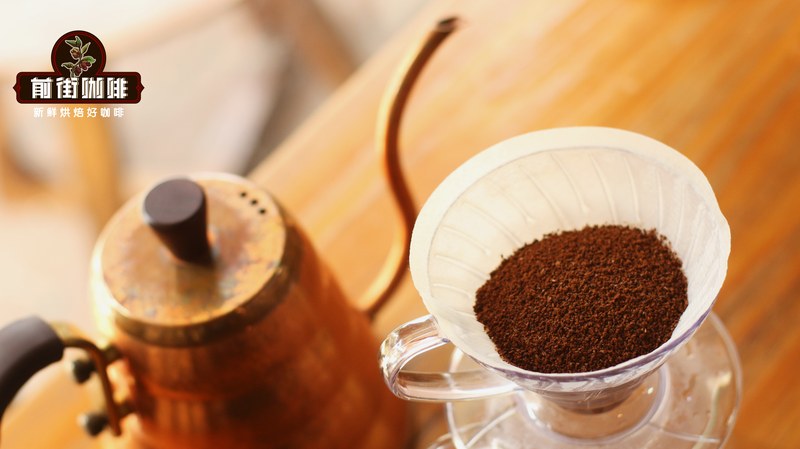
Without an espresso machine, you can also use pour-over to make strong coffee suitable for adding milk. You can use 20 g of coffee with 200 to 220 g of water, tightening the ratio to about 1 to 10 or 1 to 11, with a grind slightly finer than daily pour-over. First pour about 40 g of water to complete the bloom, then pour in two to three stages, controlling the total time at 2 minutes 30 seconds to 3 minutes.
For pour-over Boutique Blend, you can use a water temperature of 90 to 91°C, paired with an equal amount or slightly less hot milk, and the nutty sweet aroma will be more concentrated; Strawberry Candy is suitable for around 92°C with faster pouring, and after brewing, add about 80 g of ice milk to get a bright fruity milk coffee; Dark Cocoa Blend can be lowered to 88 to 89°C, reducing the later-stage pouring to make the chocolate character softer. Once the beans are chosen, let the grind, temperature, liquid weight and milk amount all serve its aroma, and a cup of latte can form a stable yet distinctive expression.
Related Reading

Comments (0)
Loading comments...
You May Be Interested


Trending Reviews
Popular Videos

With you, wherever you are! We provide useful features to help you find new things you'll love






