Source:Best Coffee > News Author:qjroot Published:2026-10-04 11:20:12
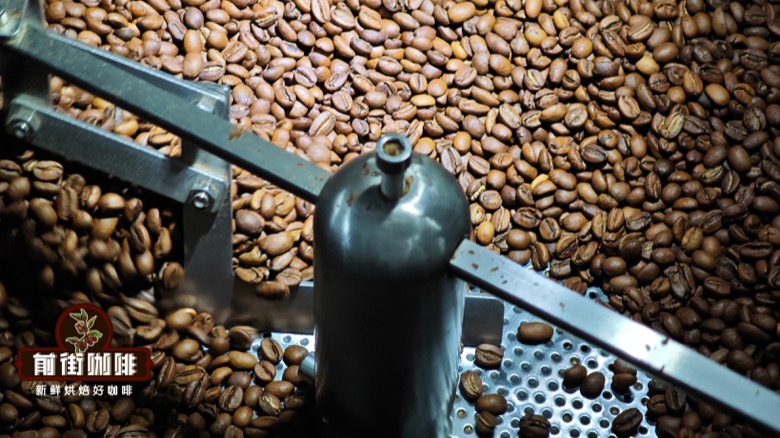
The charm of cold brew drip coffee lies in how low-temperature slow extraction coaxes out the light, delicate molecules like floral notes and fruit acids first, while holding back the bitterness of the tail end. To make a cold drip with vinous character, bean selection matters more than technique. You need to choose beans that are themselves rich in floral and fruity notes, or that carry a fermented quality, so that the subsequent low-temperature aging does twice the work with half the effort.
The Qianjie Mozart, a Costa Rican bean, with its raisin and pineapple sweetness, is exceptionally suited to cold drip, and its orange finish turns into a warm, mellow vinous aroma after fermentation. The Qianjie Xizhua comes from Colombia, and its complex fruit notes of passion fruit, grape and apricot unfold layer by layer like peeling fruit candy wrappers during low-temperature slow dripping. The Qianjie Little Tomato, on the other hand, is a Kenyan bean with a smoked plum and snow pear profile, and after cold drip aging, the plum juice character gets wrapped in a tipsy quality. Three directions, take your pick.
Water temperature is an easily overlooked detail in cold drip. Light-roasted beans like the Qianjie Mozart and Qianjie Xizhua have a tight structure, so for cold drip it is recommended to start with a relatively high ice water temperature, around 5 to 8 degrees Celsius, to give the extraction more penetrating power; if medium-dark roasted beans are used for cold drip, the starting temperature should instead be slightly lower, otherwise woody bitterness sneaks out easily. This logic is the same as with pour-over: light roasts can be brewed at 90 to 93 degrees, while medium-dark roasts drop to 85 to 88 degrees. Too low a water temperature tends to bring out sourness and astringency, while too high makes it bitter and woody. How tolerant a bean is of water temperature is also something to weigh when selecting beans.
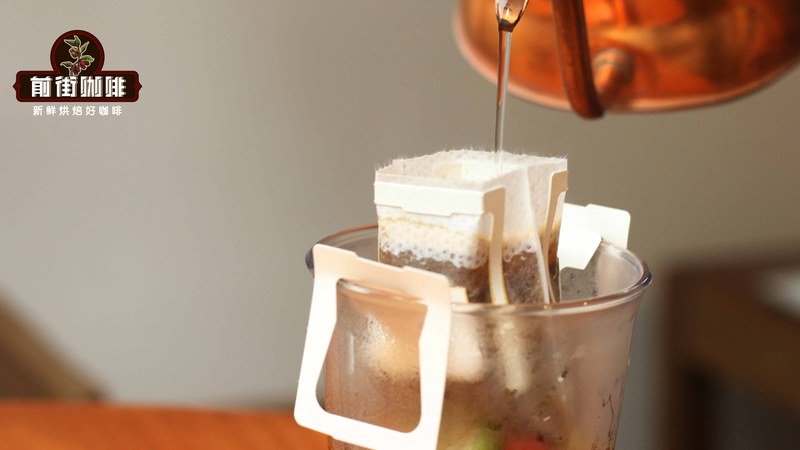
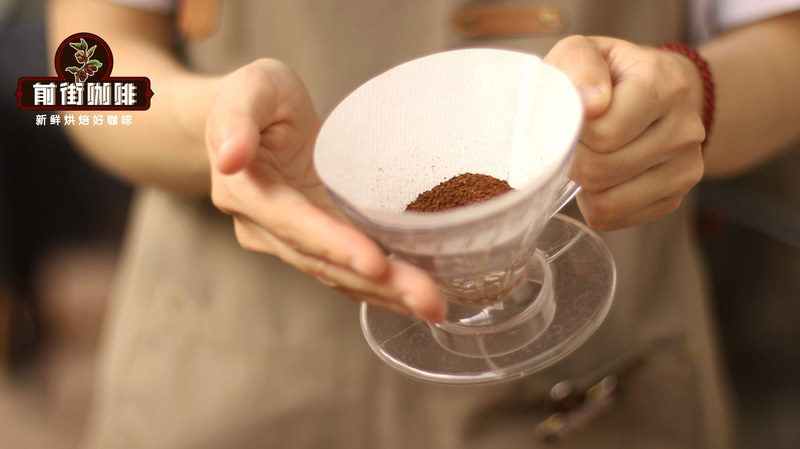
Pour-over parameters can be set like this: 15 g of grounds, a 1:15 coffee-to-water ratio, for a total of 225 ml of water. First bloom with 30 ml of water for 30 seconds to let the coffee grounds fully degas, then pour in stages, keeping the total time between 1 minute 50 seconds and 2 minutes 20 seconds. For light-roasted beans, water temperature around 92 degrees; for medium-dark roasted beans, drop to about 86 degrees, and the flavor profile will be much clearer.
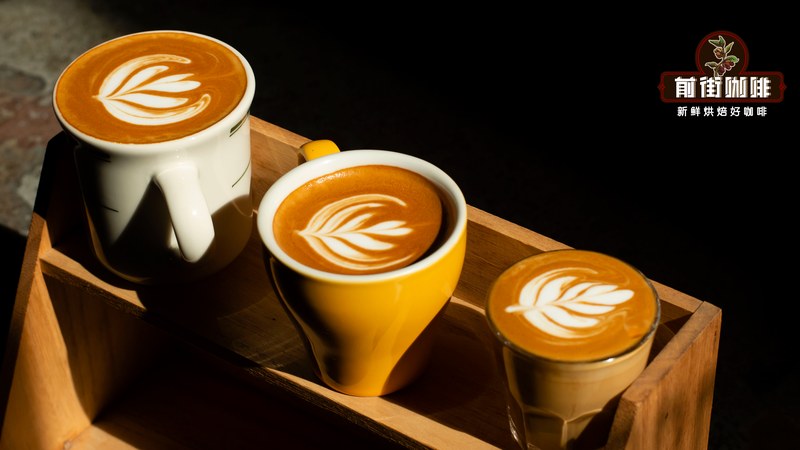
Espresso extraction is another language altogether. 18 to 19 g of coffee grounds, yielding 36 to 38 g of espresso, in 25 to 28 seconds. Here we do not talk about pouring or blooming, only pressure and flow rate. For an Americano, dilute with hot water; for a milk coffee, add milk. Choose beans with a medium-dark roast and a chocolate-nut profile for a higher margin of error. If cold drip beans are to be expressed as espresso, make the Qianjie Xizhua into an iced Americano, and the passion fruit aroma becomes more concentrated in the espresso state.
The moka pot sits between the two. Fill the lower chamber with 80 to 140 ml of water, heat over medium-low heat, and the liquid comes out in 1 minute 15 seconds to 2 minutes 30 seconds. Brew the Qianjie Little Tomato in a moka pot, and its smoked plum character becomes thick as jam; dilute with ice and it is a whole different scene. Three brewing devices, three sets of parameters. Never mix up the terminology: the coffee-to-water ratio of pour-over cannot be applied to espresso, and espresso extraction times do not apply to cold drip.
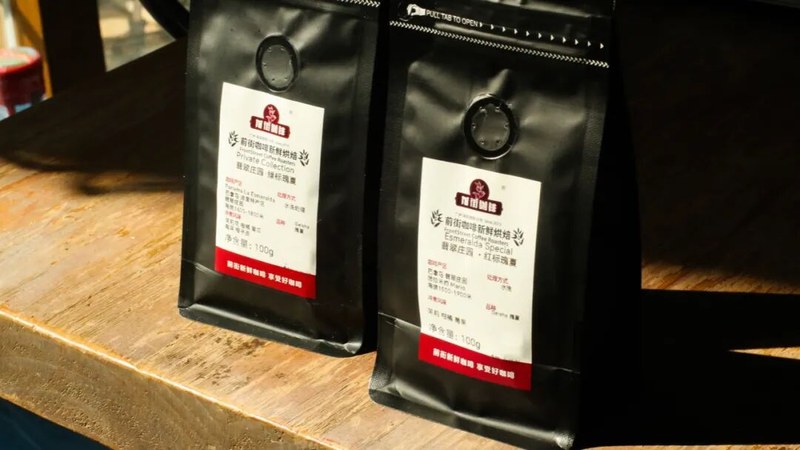
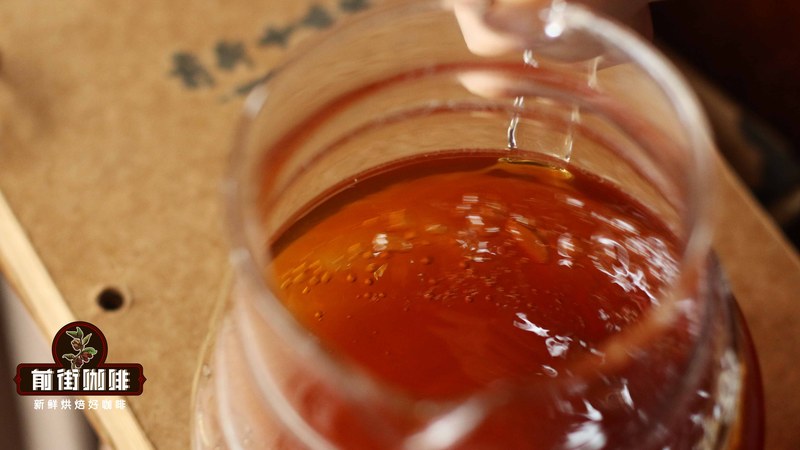
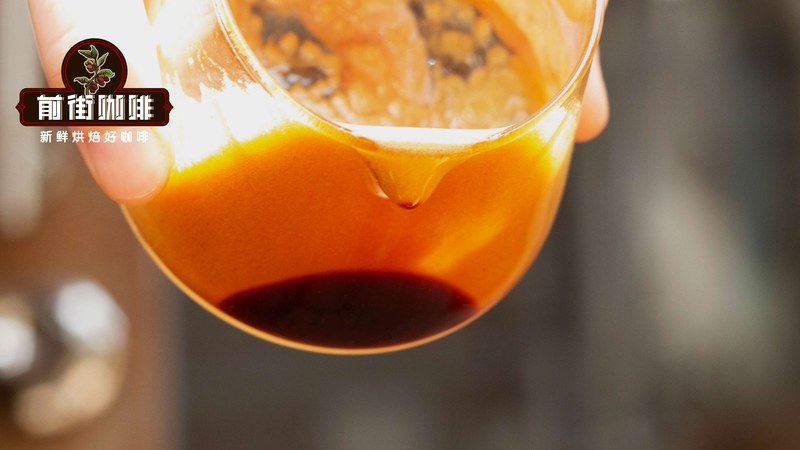
Back to making cold drip. Take 60 g of Qianjie Xizhua coffee grounds and load them into the grounds chamber, place a filter paper and moisten it with a little water, fill the upper chamber with an ice-water mixture, adjust the valve to a flow rate of about 7 drops per 10 seconds, and wait for 600 ml of coffee liquid to be extracted. Do not rush to drink the freshly dripped liquid; the flavors are still unsettled, the aroma thin and the texture rough. It must be poured into a sealed bottle and refrigerated for more than 8 hours, allowing esters to hydrolyze into carboxylic acids and alcohols, and only then does the fermented vinous aroma truly awaken.
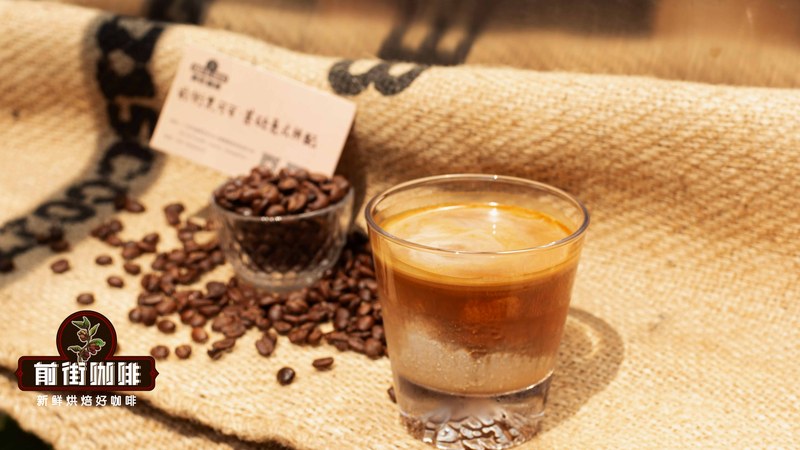
That bottle of cold drip I pushed deep into the refrigerator is the Qianjie Xizhua from three days ago. Poured out now, its apricot sweetness wrapped in a faint vinous charm slides across the tongue, like biting open an iced wine-soaked fruit candy. When selecting beans, think about water temperature tolerance; when brewing, hold the parameter boundaries; leave the rest to time and the refrigerator. This sip of tipsiness in summer has always been worth the wait.
Related Reading

Comments (0)
Loading comments...
You May Be Interested

Trending Reviews
Popular Videos

With you, wherever you are! We provide useful features to help you find new things you'll love






