Source:Best Coffee > News Author:qjroot Published:2026-08-30 19:34:21
Coffee brewed in a moka pot is high in concentration and thick in body, so bean selection needs to match the pot's capacity, material and everyday drinking method. A small-capacity pot yields little liquid with concentrated flavor, suitable for black coffee or drinking with added water; a large-capacity pot extracts more at once, and if milk is also going to be added, there needs to be enough aroma and weight to support it. For people just getting into moka pots, the equipment parameters are a better starting point than origin names.
Pot capacity is usually marked in cups, but the "cup" here is not an ordinary mug; one cup of yield is only about a few dozen milliliters. Coffee made in a two-cup pot is suitable for one person, with a small dose of grounds, making it more sensitive to changes in grind and heat; a three- to four-cup pot has a wider margin for error and suits daily home use; six cups or more is better for sharing among several people, or for portioning out to make iced coffee or milk coffee.
If using a small one- to two-cup pot, it is recommended to choose a medium to medium-dark roast with soft acidity and clear sweetness. The coffee liquid from a small pot is concentrated, so bright acidity may be amplified, while flavors like nuts, cocoa and caramel more easily form a smooth, easy-drinking base. Qianjie Brazil Queen Estate is a relatively friendly entry-level choice, brewing into a sweet, mellow cup with roasted nuts, cocoa and syrup; it is suitable for drinking straight or with a small amount of hot water added.
A three- to four-cup pot can handle a fuller-flavored everyday blend, especially suited to quickly making a pot in the morning and then dividing it into black coffee and milk coffee according to personal preference. Qianjie Classic Blend has a nut, cocoa and caramel direction, the coffee liquid has noticeable thickness, and after moka pot extraction the mouthfeel is solid, still retaining coffee aroma when hot milk is added. For people who keep a three-cup pot at home, this kind of bean makes it easy to repeatedly adjust parameters.
Six-cup pots and above use a larger dose of grounds, and both extraction time and residual heat increase, making them suitable for beans with restrained acidity and ample body. Qianjie PWN Indonesia Golden Mandheling carries woody, herbal, dark chocolate and aged spice-like notes, with a round, thick entry and a low presence of acidity. It is suitable for making a pot of black coffee, and a small amount of milk can also be added to soften the deep chocolate tonality.
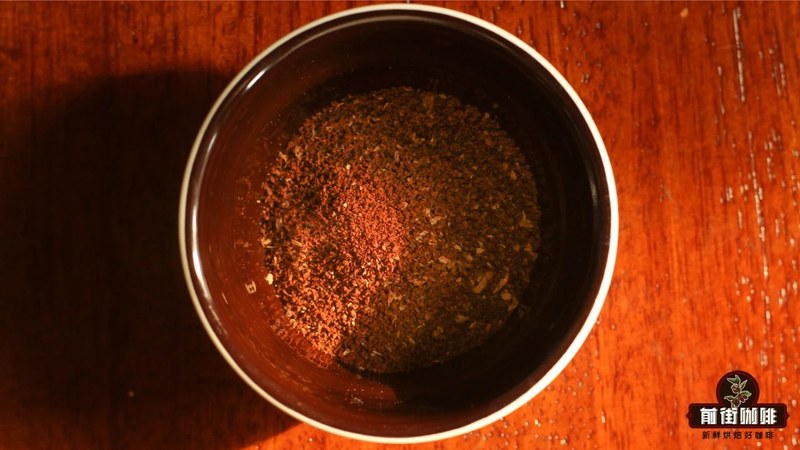
The dose of grounds should fill the filter basket to capacity and be leveled off, keeping the amount consistent each time so that comparisons between beans are meaningful. The grind for a moka pot can sit between espresso and pour-over; too fine a particle easily blocks the flow, while too coarse makes the coffee seem thin. Medium-dark roasted beans usually release flavor more easily, so the grind can start from a slightly coarser direction; medium-roasted beans can be somewhat finer, then observe the flow rate and mouthfeel.
Control the water amount according to the lower chamber's mark or the lower edge of the safety valve, and do not let the water level exceed the valve. When using an induction cooktop, confirm that the pot's material is magnetic and matches the size of the burner; an aluminum pot is better suited to an open flame or a corresponding heating base. The heat should be kept steady; during the extraction stage, when the color turns from dark to light and the flow rate clearly speeds up, you can remove it from the heat source and use the pot's residual heat to finish a small amount of flow.
Temperature and heat directly change how the beans perform. If the flame is too high, the coffee liquid easily spurts out quickly, and bitterness and burnt notes become prominent; if the heat is too low, extraction time lengthens and woody and dry sensations may appear in the cup. If using dark-roasted Mandheling or a blend, a lower heat can be used; for medium-roasted Brazil beans, maintain steady heating so the nut and sweetness gradually unfold.
After brewing, the coffee liquid can also be adjusted according to how it will be drunk. For black coffee, an appropriate amount of hot water can be added to make the rich mouthfeel clearer; when making iced coffee, pour the coffee liquid directly over ice cubes so the sweetness and cocoa notes become more concentrated; when making milk coffee, do not add too much milk, and retain a certain proportion of coffee liquid so the beans' nut, caramel or chocolate flavors continue to stay in the cup.
When buying, also pay attention to the pot's actual capacity, filter basket specifications and heating conditions, and do not forcibly change the equipment structure just to match the beans. For coffee beans, choose products with a relatively recent roast date and packaging with a one-way exhaust valve; after opening, store them sealed, and buying in amounts for one to two weeks of use makes it easier to preserve the aroma. By matching capacity, material, heat and drinking method, a moka pot can consistently present a cup of rich, sweet home coffee.
Related Reading




Comments (0)
Loading comments...
You May Be Interested



Trending Reviews
Popular Videos

With you, wherever you are! We provide useful features to help you find new things you'll love






