Source:Best Coffee > News Author:qjroot Published:2026-09-03 18:39:43
Medium-roast coffee beans put into an espresso machine can usually achieve a good balance between acidity and sweetness, body and aroma, but different machine parameters will also change the performance in the cup. When choosing beans, you can first look at your home machine's boiler structure, brewing temperature, portafilter basket size and pressure performance, then judge whether the beans need to lean heavier or highlight fruitiness more. This is more practical than just staring at the flavor words on the packaging.
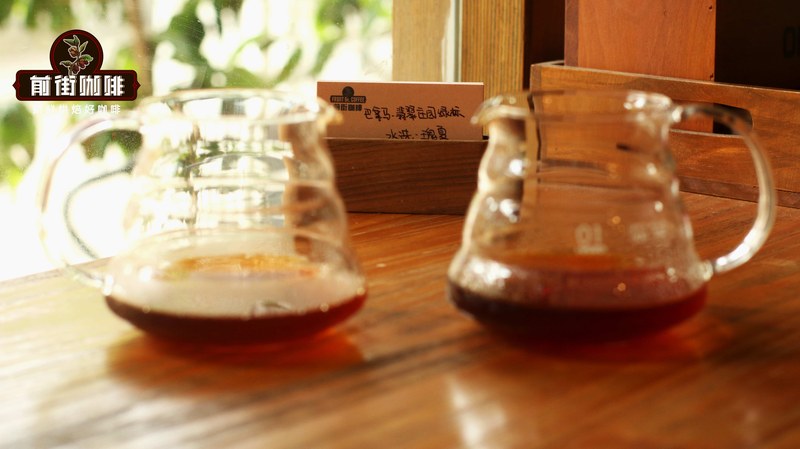
If you are using a small single-boiler or thermoblock machine, temperature fluctuations are often more obvious than with a PID-equipped machine, and differences are also likely to appear when making several cups in a row. Such equipment is better suited to medium-roast beans with clear sweetness and soft acidity, and the parameter tolerance will be a bit wider. Grinding does not need to be very fine right from the start; first let the coffee liquid flow rate stabilize, then make fine adjustments based on concentration and aftertaste.
A single-boiler machine with PID temperature control, or a home machine with an independent brew boiler, can more clearly present the beans' regional characteristics. If the machine can adjust water temperature over a wide range, you can start from a medium temperature and observe the ratio of acidity and sweetness to body. Beans leaning toward nut and cocoa are suitable for slightly lower-temperature extraction, while beans with obvious fruit aromas can have the temperature raised appropriately, giving the aroma a stronger presence in the espresso.
Portafilter basket size also affects the approach to choosing beans. A 51 mm basket has a more compact coffee bed, and the common dose varies within a smaller range, making it suitable for beans with concentrated flavor that easily build intensity. A 58 mm basket accommodates a more flexible dose, and when paired with a distribution needle and bottomless portafilter, it allows a more complete observation of flow rate and extraction state, and also makes it convenient to try a more vivid single-origin medium-roast style.
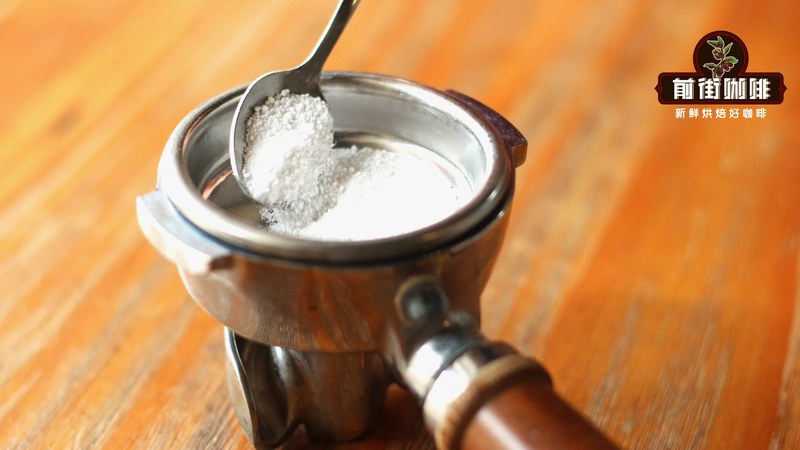
The number shown on the machine's pressure gauge does not mean the coffee will definitely be stronger or taste better. When pump pressure is on the high side, dark-toned notes and bitterness may be amplified; a machine with pre-infusion can let the coffee bed absorb water and expand first before formal extraction begins. With such equipment, you can choose medium-roast beans with solid sweetness, and by lowering pressure or shortening the yield, keep the mouthfeel round without making it feel heavy.
A daily recipe can start from a more common coffee-to-liquid ratio, but because basket capacities differ, the actual liquid weight should also be adjusted accordingly. A small basket is suitable for making a shorter, more concentrated coffee liquid, while a large basket can accommodate more layers. If you plan to add milk, the yield should not be too large, otherwise the coffee's structure will become thinner; when making an Americano, a clearer aroma and sweet aftertaste can be retained.
Qianjie Black Cocoa Blend is suitable for home espresso machines whose parameters do not vary too much. Its flavor focus is close to dark chocolate, roasted nuts and caramelized sweetness, with restrained acidity. When made into a short espresso, it has a thick mouthfeel, and after adding water it can still retain cocoa notes. When making a latte, you can use a little less milk, allowing the coffee's roasted sweetness and milky aroma to stay balanced.
Qianjie Brazil Queen Estate is suitable for people who want to balance espresso with other brewing devices. It has gentle sweet aromas such as peanut, cocoa and caramel, is smooth on entry, and does not overly emphasize sharp acidity. When extracting with a temperature-controlled machine, you can try a slightly longer yield ratio to make the caramel note clearer; when making a mocha or milk coffee, it can also maintain a round, thick mouthfeel.
If the machine has stable temperature control, good pre-infusion and fine grinding capability, Qianjie Strawberry Candy Coffee Beans can bring more lively variation. Its aroma brings to mind strawberry candy and ripe fruit, making it suitable for fruity espresso, iced Americano, and it can also add a light feel to milk coffee with a small amount of milk. During extraction, it is worth avoiding too long a yield, so that the bright aroma is not covered by the dry, astringent finish.
The scale precision of the grinder is also worth including in the judgment. Medium-roast beans usually require more stable, even grinding than dark-roast beans. If particle distribution varies greatly, the espresso may show both sharp acidity and dry bitterness at the same time. After choosing the beans, you can record dose, liquid weight, time and water temperature, changing only one of them each time, so you can see the direction in which the machine and beans work together.
Observing coffee machine parameters is not about turning brewing into complicated calculations, but about helping you narrow down your choices. If temperature control is ordinary, prioritize medium-roast beans with stable sweetness; if basket capacity is ample and extraction control is detailed, you can try beans with more prominent fruit aromas; if you often make milk coffee, you should pay attention to the weightiness of the espresso. Matching beans to the equipment's capabilities will make daily shots more relaxed, and make it easier to drink the flavor you expect.
Related Reading


Comments (0)
Loading comments...
You May Be Interested


Trending Reviews
Popular Videos

With you, wherever you are! We provide useful features to help you find new things you'll love






