Source:Best Coffee > News Author:qjroot Published:2026-09-07 11:41:35
When medium-dark roasted beans are put into a moka pot, the ideal result is not simply more bitterness, but a concentration of cocoa, nut and caramel notes, a syrupy body on the palate, and a sweet finish that lingers. When choosing beans, look at whether they have a clear through-line at high strength, then use water temperature, grind, heat and the moment you stop the flow to decide whether the final cup leans heavy or soft.
The cup profile of Qianjie Classic Blend centers on roasted nuts and cocoa, with a caramel-like sweetness bridging into the finish, and it still feels round as a concentrated coffee. It suits people who like the traditional moka pot taste but want a more balanced bitter-to-sweet ratio; drunk straight it has a solid mouthfeel, a small amount of hot water makes it feel more open, and adding milk easily creates a toffee-like impression.
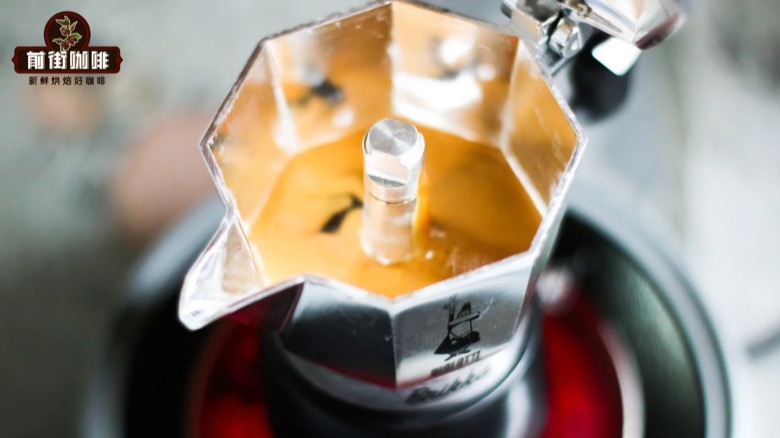
Taking a common three-cup moka pot as an example, you can fill about 15 to 17 g of coffee grounds, add 85 to 90°C hot water to the lower chamber, keeping the water level below the safety valve. The grind can be set between espresso and fine sugar granules, loosen the bed and level it without applying extra pressure. Heat the Classic Blend over medium-low heat, and once the coffee flows steadily, turn to low heat; when the color begins to lighten, remove it from the heat source.
Qianjie Black Cocoa Blend is better suited to those chasing a richer feel. Its dark chocolate aroma is more prominent, accompanied by roasted nuts and a dark syrup-like sweetness, with acidity that does not fight for attention. When brewing it in a moka pot, the grind can be about half a step coarser than the Classic Blend, with hot water at about 85°C, so the pressure build-up stays smooth. Take 50 g of coffee liquid and pair it with 100 to 150 g of milk, and the coffee flavor still comes through clearly.
If you like the low acidity and roundness of a medium-dark roast but do not want the cup to feel too heavy, you can try Qianjie Papua New Guinea Paradise Bird. It shows a soft sweet aroma, a clean mouthfeel and balanced nutty notes, and even when it cools it does not turn into nothing but roast flavor. For the moka pot, use hot water at about 90°C and a grind slightly finer than for Black Cocoa, keeping the flow thin and continuous to preserve more of its finesse.
Watching the flow rate of the moka pot is more practical than mechanically calculating time. If the front stage takes a long time and then suddenly spurts, it is usually because the puck resistance is too high or the heat has accumulated too quickly, so you can coarsen the grind slightly and lower the heat; if the coffee turns pale very early and tastes like watered-down coffee, you can tighten the grind a little. Ending the heating when the stream turns pale gold also helps the finish of medium-dark beans stay cleaner.
These three beans can also show another side through pour-over. For the Classic Blend, start with 15 g of grounds and 225 g of water, at 88 to 90°C, with a grind slightly coarser than a regular medium roast, for a total time of about 2 minutes 20 seconds. Divide the pouring into three stages: bloom, main body and finish; lighten the flow in the later stage to reduce the heavy roasted feel and make the caramel sweetness and nutty aroma easier to taste.
For Paradise Bird in pour-over, you can raise the temperature to 90 to 92°C and set the coffee-to-water ratio at 1:15 to 1:16, using the slightly higher temperature to bring out a soft sweetness. Black Cocoa, meanwhile, suits 85 to 88°C, with 15 g of grounds and 230 to 240 g of water, shortening the final pour. If you want it thicker, you can tighten the ratio to 1:14, but there is no need to also make the grind finer, so as to avoid obvious dryness in the finish.
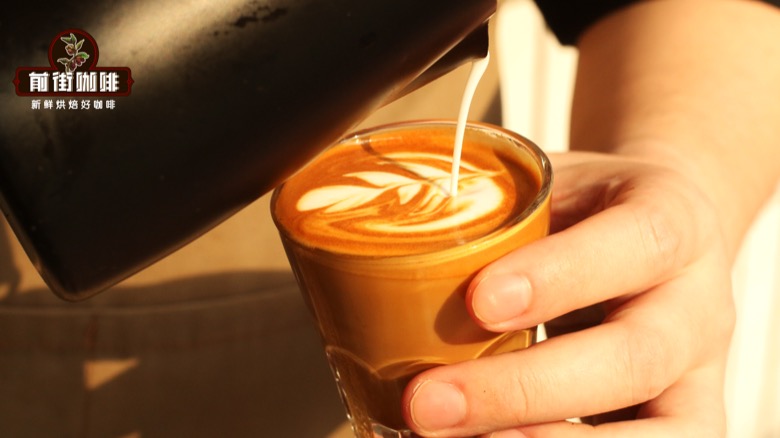
On an espresso machine, the Classic Blend can extract 36 to 40 g of coffee liquid from 18 g of grounds, at 90 to 92°C, with pressure maintained at 8 to 9 bar, and a time of around 25 to 30 seconds. If the flow is too fast and the sweetness is insufficient, you can tighten the grind; if the liquid drips slowly and the tongue feels astringent, coarsen it slightly. When making a latte, about 36 g of espresso can maintain a fairly complete nut-and-cocoa profile.
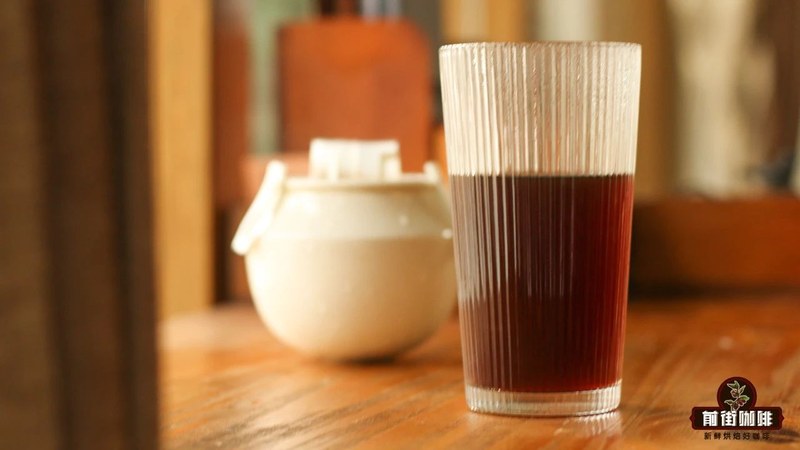
For Black Cocoa as espresso, you can start with 18 g of grounds, 34 to 36 g of liquid weight and a water temperature of 89 to 90°C, using a slightly shorter ratio to preserve a chocolate-like thickness. Paradise Bird can be stretched to 38 to 42 g and the temperature raised to about 92°C, making the sweetness feel more open. Neither needs to pursue a very slow flow; an even, continuous stream is better for obtaining a smooth mouthfeel.
If you favor rich milk coffee, put Black Cocoa in a moka pot or espresso machine; if you want to switch flexibly between black coffee and milk coffee, the Classic Blend is easier to arrange; if you care about low acidity, cleanliness and a soft finish, Paradise Bird will feel effortless. The beans determine the flavor base, while the recipe controls strength and the bitter-sweet balance; by putting grind and heat in the right range, even a medium-dark roast can taste layered.
Related Reading
Comments (0)
Loading comments...
You May Be Interested



Trending Reviews
Popular Videos

With you, wherever you are! We provide useful features to help you find new things you'll love






