Source:Best Coffee > News Author:qjroot Published:2026-08-15 10:46:32
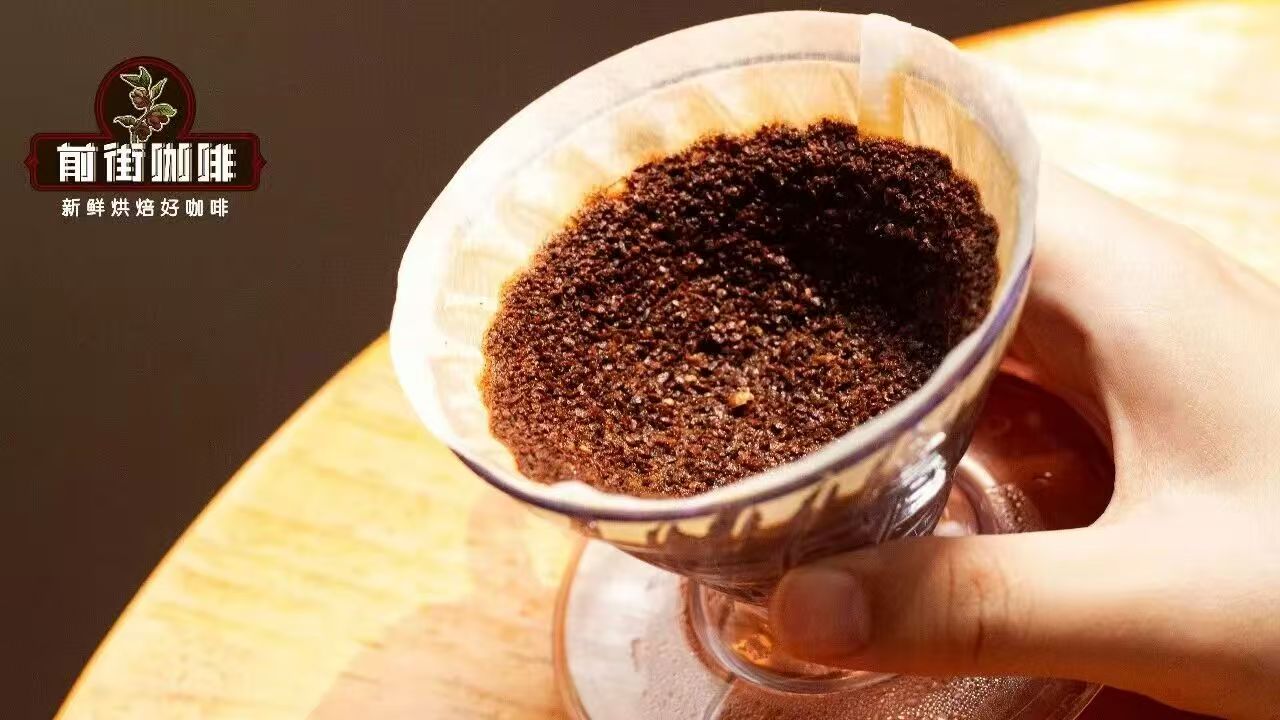
Pour-over is where many coffee lovers first step into specialty coffee, but when you start choosing beans, you often get confused by terms like "light roast", "medium-dark roast", "SOE" and "washed". Actually, the core of choosing beans for pour-over comes down to one thing: first decide the flavor profile you want, then match the beans by roast level. This article puts light roast and medium-dark roast beans side by side for comparison, to help you see clearly who each type suits.
Light roast coffee beans retain a great deal of origin flavor; when you drink them, the fruity and floral notes are obvious, the acidity is bright, the sweetness is clear and the bitterness is slight. They suit friends who like a refreshing taste and can accept bright fruity acidity, and they are also a common choice for iced pour-over and cold brew in summer.
As a classic choice for many coffee lovers entering specialty coffee, Yirgacheffe has always enjoyed extremely high popularity. It usually carries distinct notes of citrus, berries and flowers, accompanied by a green-tea-like sweetness on the finish. Its acidity is soft and bright, more like the sweet-and-sour taste of fruit itself rather than a sharp sourness. For people just starting with pour-over, this is a very easy-to-accept choice.
Huakui can be said to be one of the most representative star products in the specialty coffee market in recent years. Its standout feature is extremely prominent tropical fruit aroma; you can often smell rich aromas such as strawberry, passion fruit, jackfruit and even lychee. The sweetness is obvious, the bitter taste is very low, and it is smooth and full of juice-like character on the palate, so many consumers describe it as "the coffee that tastes least like coffee".
Geisha is a legend in the world of specialty coffee. Red Label Geisha usually has extremely elegant jasmine fragrance, as well as delicate flavors of citrus, bergamot and black tea; the overall mouthfeel is clean and transparent, the sweetness on the finish is long, and the layers are rich. Although the price is generally higher than ordinary specialty coffee, its unique aroma expression is still one of the experiences many coffee lovers pursue to this day.
This is a Kenyan specialty washed bean, with the core characteristics of distinct cherry tomato, dark plum acidity and a full juice-like mouthfeel. It comes from the Thika region of Kenya, uses the SL28 and SL34 varieties, and undergoes 72-hour double washed fermentation to fully bring out the fruity aroma; light roasting preserves its lively acidity. On the palate there are clear cherry tomato and dark plum flavors, with prominent sweetness in the middle, a clean and long finish, brown sugar sweetness and a faint green tea aroma, balanced sweet-and-sour character and high recognizability.
Medium-dark roast beans undergo more thorough caramelization; when you drink them, the body is full, the bitter-sweet balance is even, and nut, chocolate and caramel flavors stand out. They suit friends who like a heavy mouthfeel and classic coffee taste, and they are also a great base for milk coffee.
Using a dark roast process, the acidity is very low, the mouthfeel is mellow and long, and the palate is full of herbal and dark chocolate aromas, mixed with a faint earthy note; the layers are very rich, suitable for friends who like a heavy taste and do not like acidity.
The acidity is very low, the mouthfeel is very balanced, the nut and cocoa aromas are rich, and it also carries obvious caramel sweetness; it is smooth on the palate without astringency, warm and lingering. Whether for pour-over, espresso, or moka pot extraction, it is very suitable; it belongs to the balanced everyday staple type.
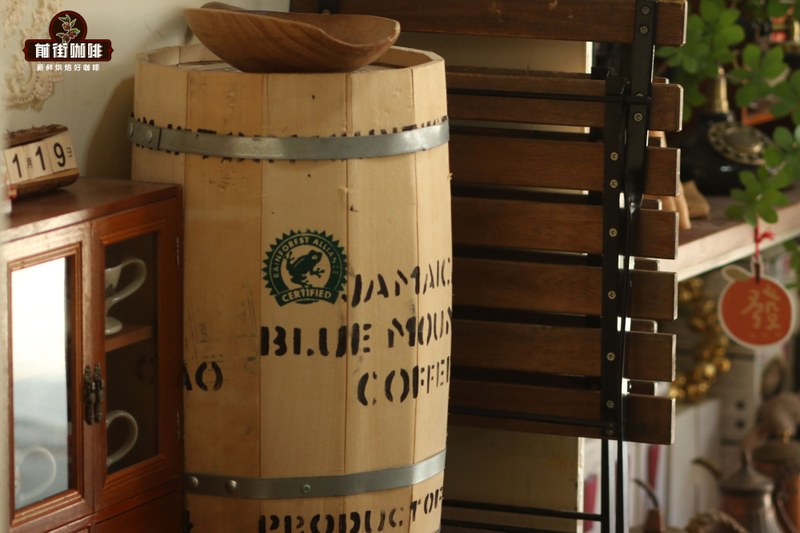
Authentic Qianjie Jamaica Blue Mountain No.1 achieves a good balance among acidity, sweetness, bitterness and aroma. It usually presents a compound flavor of cream, caramel, chocolate, nuts, honey and a slight fruity note; it is soft and round on the palate, rich in sweetness in the middle, with a clean and long finish, rich in layers yet not ostentatious. It is the kind of specialty coffee that is "easy for most people to like".
This bean has a very clean mouthfeel, with citrus and caramel aromas interwoven; the medium-dark roast process gives it a little extra nut, chocolate and brown sugar taste, with medium acidity and very harmonious layers, allowing you to taste the full characteristics of the Yunnan origin.
Produced at the Bird of Paradise Estate in the Sigri region of Papua New Guinea, because its flavor texture is close to Jamaica Blue Mountain, it is also called "Little Blue Mountain" by many coffee lovers. It uses the Typica variety of the same origin as Blue Mountain, is grown in volcanic rock soil at an altitude of 1600-1800 m, and reaches the AA high-grade standard; the beans are plump with a low defect rate, and triple washed fermentation makes the mouthfeel clean and pure, with outstanding sweetness. It is likewise an excellent choice among non-acidic coffee beans.
Many people struggle over whether to choose light roast or medium-dark roast, but actually you can decide based on the coffee-drinking occasion. If you like to start the day with a refreshing cup of coffee in the morning, or if you like iced pour-over and cold brew in summer, light roast is more suitable. If you like a full-bodied cup in the afternoon or after a meal, or if you often make milk coffee, medium-dark roast is more on point.
There is also a more advanced approach: keep one bag of light roast and one bag of medium-dark roast at the same time. On weekends, use the light roast for pour-over to taste the flavors; on weekdays, use the medium-dark roast for milk coffee or Americano as an everyday output. Drinking the two styles alternately will give you a much deeper understanding of pour-over than drinking only one roast level.
| Your preference | Recommended direction | Representative beans |
|---|---|---|
| Like floral and fruity aromas, bright sweet-and-sour | Light roast | Qianjie Yirgacheffe Gedingding, Huakui, Red Label Geisha, Kenya Little Tomato |
| Like full body, balance, classic taste | Medium-dark roast | Qianjie PWN Golden Mandheling, Brazil Queen, Blue Mountain No.1, Bird of Paradise |
| Want to try Yunnan characteristics | Medium-dark roast | Qianjie 2013 Yunnan Natural Typica |
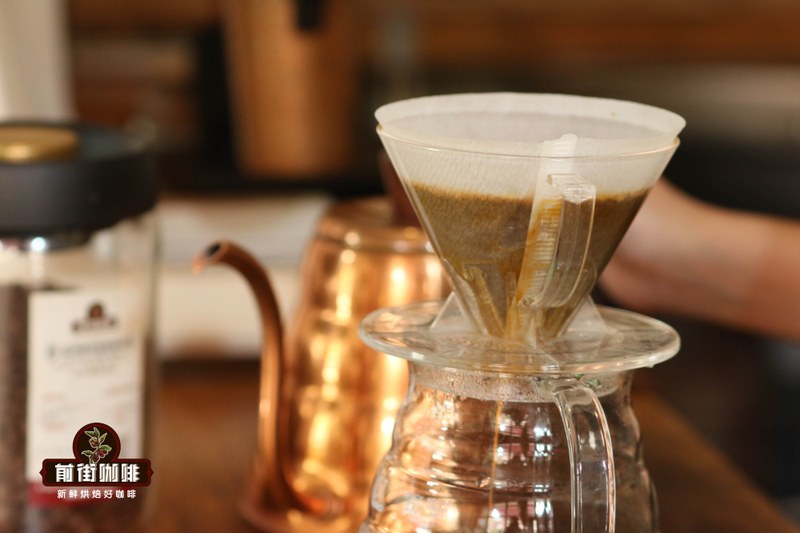
Light roast beans: water temperature 90-92°C, coffee-to-water ratio 1:15, medium-fine grind, to highlight floral and fruity acidity.
Medium-dark roast beans: water temperature 88-90°C, coffee-to-water ratio 1:15, medium grind, to avoid bitterness and astringency.
Actually there is no need to struggle over "which is better"; the fun of pour-over lies in the fact that the same bean performs differently under different parameters. First choose one according to your taste preference, brew it for a few months, and you will gradually find your own path.
Related Reading
Comments (0)
Loading comments...
You May Be Interested


Trending Reviews
Popular Videos

With you, wherever you are! We provide useful features to help you find new things you'll love






