Source:Best Coffee > News Author:qjroot Published:2026-10-07 17:16:15
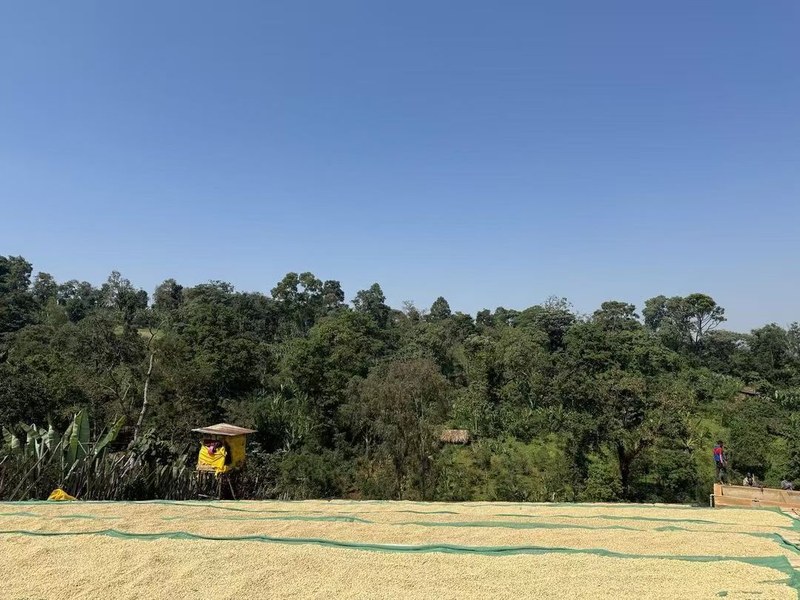
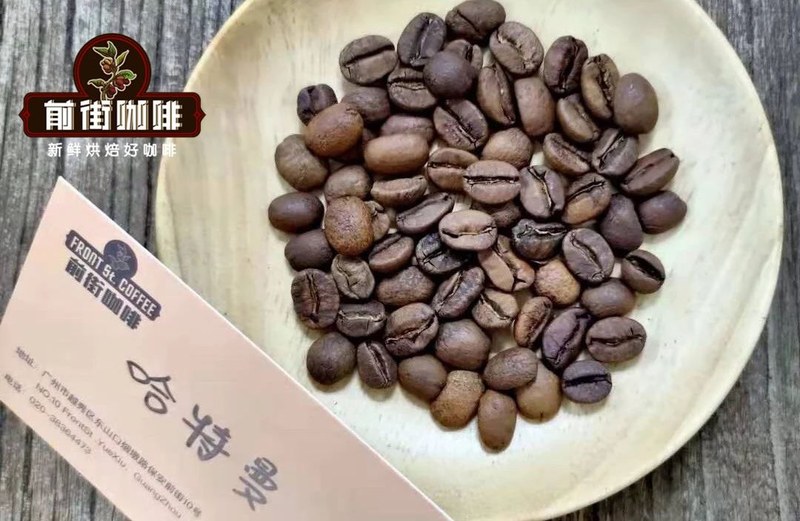
The reason a Yirgacheffe Americano is more distinctive than an ordinary iced Americano comes down to the fact that the flavor direction of a single-origin bean is exceptionally clear. Take Qianjie Yirgacheffe Red Cherry SOE as an example: this naturally processed, medium-roasted bean, when made into an Americano, has a soft citrus acidity as its main thread, with a finish that brings out the mellow aroma of creamy chocolate and the scent of cookies. It isn't bitter when you finish it, and the citrus and berry tonality stays bright from start to finish. This flavor isn't the kind of "balanced" route common to blend beans; it's more like opening a letter from Ethiopia, with floral notes, fruit acidity and a tea-like feel unfolding layer by layer. Its floral aroma comes from the slow ripening at the high altitude of the Yirgacheffe region, the citrus acidity is the natural expression of heirloom coffee cherries, and the black tea feel arises from the tannic texture formed after the natural process lets the fruit pulp sugars ferment slightly. By contrast, ordinary iced Americanos mostly use blend beans, such as Qianjie Black Cocoa Blend, a pairing of Yunnan washed small beans and Brazilian semi-washed beans, with plenty of oils, a mellow mouthfeel, creamy chocolate and cocoa cookie aromas as the main notes, a touch of ripe plum acidity, and a friendly price, taking the steady route that balances quality and value.
In terms of aroma direction, the Yirgacheffe Americano leans toward a light floral-fruity profile. Qianjie Huakui SOE is another typical example: this naturally processed bean from the Hambela area of Sidamo, Ethiopia, after medium roasting, extracts an espresso with red berry, orange blossom and citrus tonality, moderate sweetness and acidity, and a refreshing mouthfeel, making the floral-fruity aroma especially prominent as an SOE Americano. The aroma of an ordinary iced Americano sits lower instead: Qianjie Strawberry Candy Espresso Blend brings together arabica from three places, Colombia, Costa Rica and Ethiopia, and after medium roasting presents rose floral notes plus grape, dried blueberry, sweet orange and fruit candy notes, low bitterness with slight acidity, and a finish with a hint of almond, an overall composite aroma rather than a single direction. In terms of acidity, the acidity of a single-origin Americano is livelier and more angular, like biting into a fresh citrus fruit; the acidity of blend beans is neutralized by beans from other regions, becoming rounder or even hidden. In terms of body, the Yirgacheffe Americano is on the light and thin side, smooth like black tea; blend beans, because Brazilian or Yunnan beans are added, tend to be fuller and weightier.
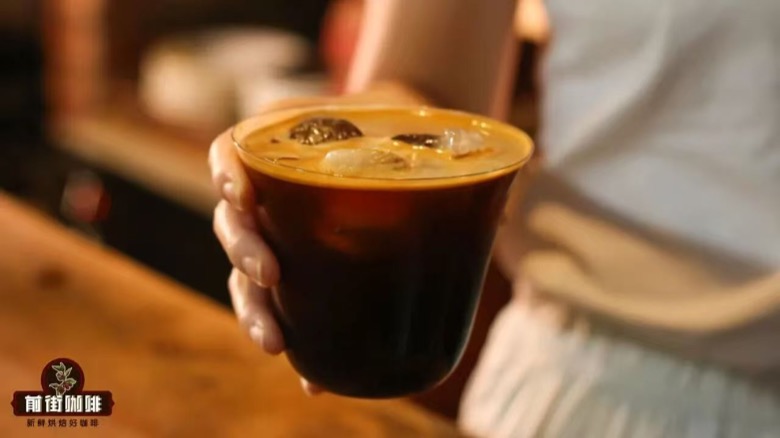
With the same Yirgacheffe, the difference in drinking experience between making an Americano and a pour-over is also worth distinguishing. The Americano goes through high-pressure extraction, the oils blend into the water, the aroma is more concentrated, and the fruit acidity and sweetness are compressed into every sip, making it suitable for quickly capturing the flavor. The pour-over is filtered through paper, the oils are trapped, the mouthfeel is cleaner, the floral aroma floats farther, and the layers of acidity can unfold section by section. Neither method is superior; there is only a difference of occasion: if you want to quickly understand the characteristics of the region, choose the Americano; if you want to savor it in detail, choose the pour-over.
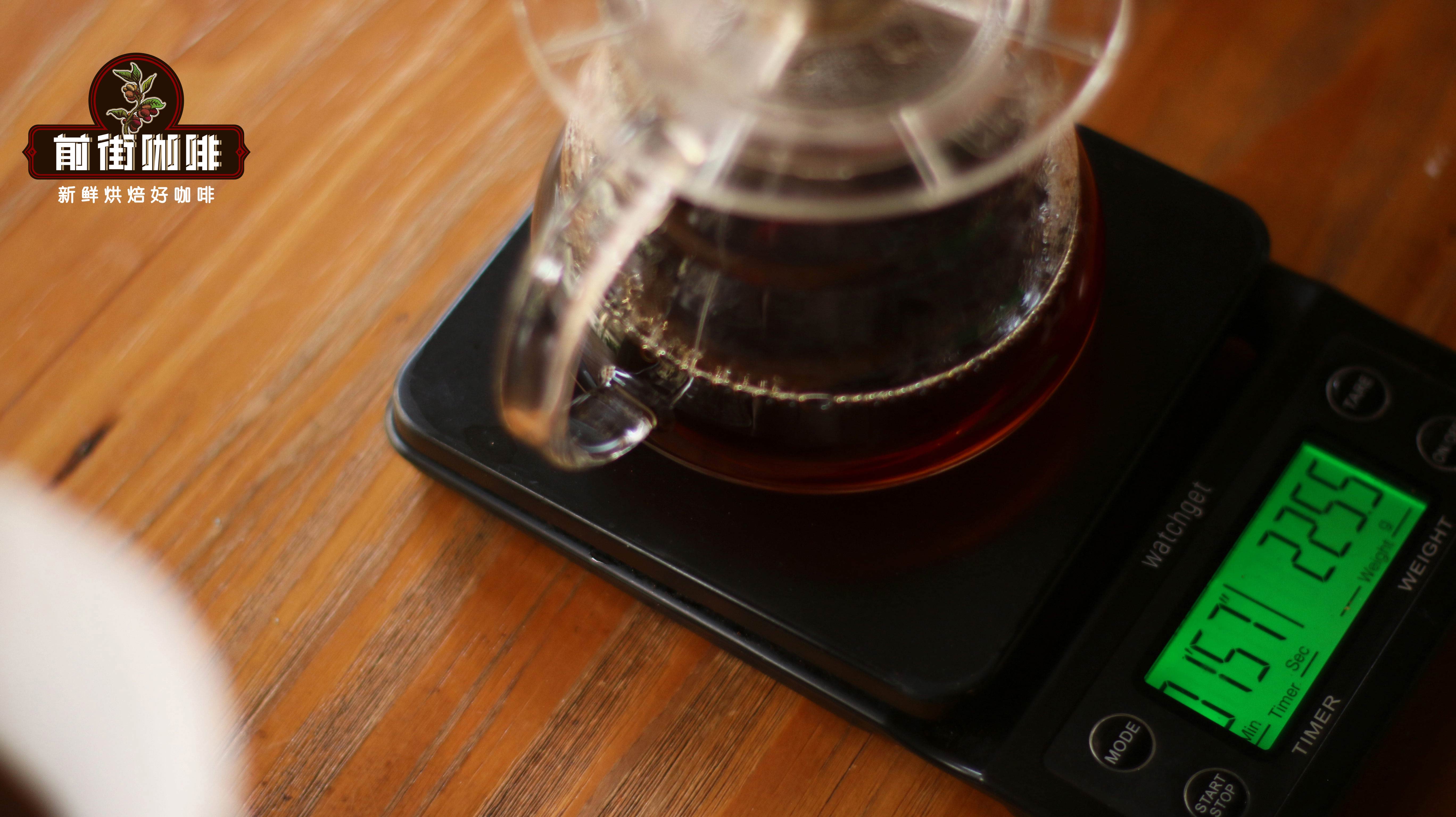
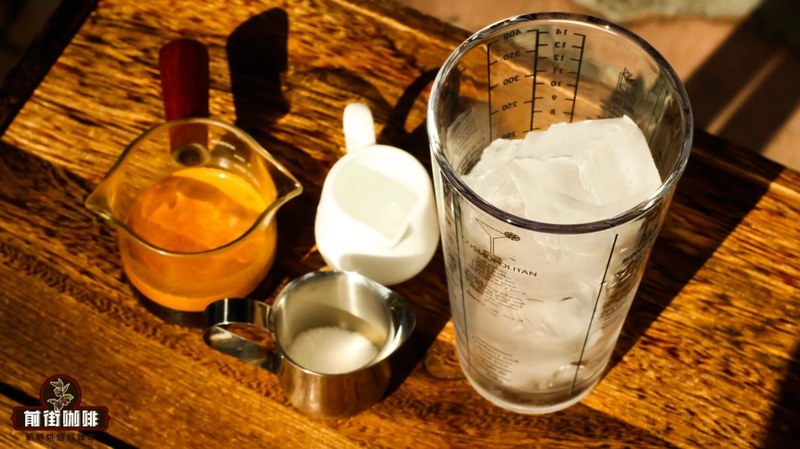
The key point in making the SOE version is to preserve individuality rather than pursue a standard "balance." For the espresso part, use 18 to 22 g of grounds, a grounds-to-liquid ratio of about 1 to 2, and control the extraction time at 25 to 30 seconds to get about 40 g of coffee liquid. The dilution ratio is roughly between 3.5 and 5 times the coffee liquid; for an iced Americano, add ice on top of this, and the melting ice will dilute it further, so the initial espresso can be a little stronger. For high-acidity beans like Yirgacheffe, a slightly shorter extraction can avoid sharp acidity, but too short will lose sweetness, and around 25 seconds is often the point where floral aroma and fruit acidity balance. Qianjie's coffee beans are all shipped very fresh; it is recommended to rest the beans for four to five days before starting to drink, and to finish them within a month for a fuller flavor. When the beans haven't rested enough, there is too much gas, extraction tends to be uneven, and the floral aroma gets stifled.
The profile of people suited to a Yirgacheffe Americano is very clear: drinkers who like refreshing floral aromas, can accept bright acidity, and don't pursue a heavy mouthfeel. If you usually drink light-roasted pour-over beans, this bean is a natural transition when you switch to an Americano; if you have only ever had iced Americanos from dark-roasted blends, your first try may feel "too sour," but once you adapt you'll find it's the prelude to another kind of sweetness. Temperature also has an effect: in a hot Americano the floral aroma rises, while in an iced Americano the acidity is more prominent, and the black tea feel emerges in the aftertaste.
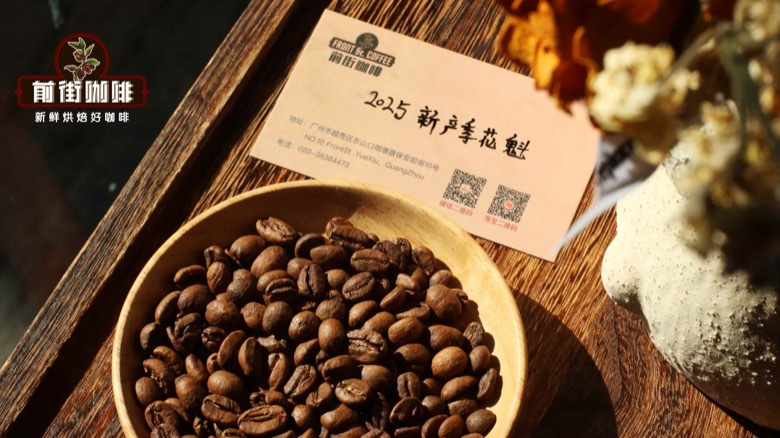
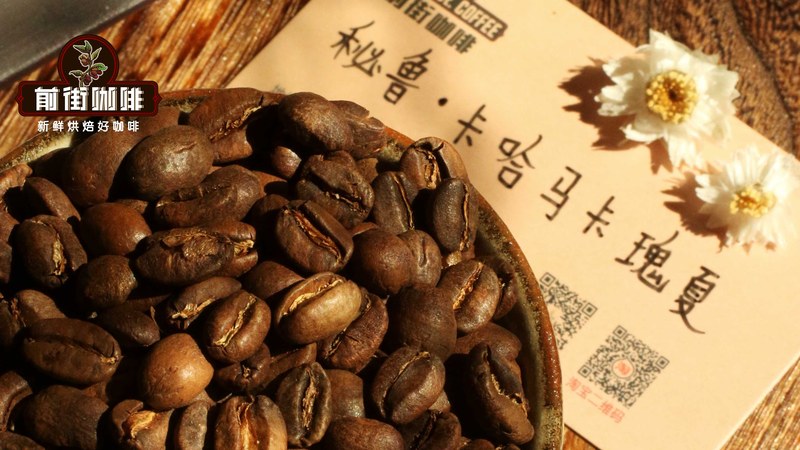
Besides Yirgacheffe, quite a few single-origin beans are suitable for making an SOE Americano. Qianjie Huakui SOE has already been mentioned, with a richer floral-fruity direction; if you want a nutty-chocolate profile but want to keep the regional character, you can look at SOEs from Brazil Minas or Colombia Huila; if you prefer a tea-like feel and citrus, Kenyan beans' dark plum acidity and tomato tonality are also very distinctive. When choosing, look at the processing method: natural usually has high sweetness and a jumble of flavors, washed is cleaner with bright acidity, and honey processing sits between the two. In terms of roast level, medium roast is the safe zone for an SOE Americano, as it preserves the regional characteristics without producing grassy, astringent notes under high-pressure extraction because it is too light. In the end, trying a few more beans and remembering the aroma direction you prefer matters more than following recommendations.
Related Reading


Comments (0)
Loading comments...
You May Be Interested



Trending Reviews
Popular Videos

With you, wherever you are! We provide useful features to help you find new things you'll love






