Source:Best Coffee > News Author:qjroot Published:2026-09-19 12:28:28
Colombian coffee has long been known across the world's coffee regions for its balanced, smooth body, caramel sweetness and gentle fruit acidity. When exploring beans from this region, people often find both single-estate single-origin beans and blend beans used as a base in formulations. Understanding how these two approaches present flavor can help you easily lock in the bag that suits you when choosing.
The core of the single-origin approach is to showcase the distinct character of a specific terroir and processing method. Authentic Colombian single-origin beans usually carry red apple, citrus acidity and roasted nut aromas, and after a medium-light roast they are ideal for brewing into a clear black coffee. Savoring each sip, you can clearly capture the delicate juiciness and pure sweet finish that the region's high altitude and microclimate give the beans.
To experience the crisp charm of single-origin Colombian, pour-over is a great route. Prepare 15g of ground coffee, use 91°C water and a 1:15 coffee-to-water ratio, first pour 30g of water for a 30-second bloom, then use a two-stage pour and slowly pour to 225ml, with the total time controlled at 2 minutes 05 seconds. The cup brewed this way has bright, soft acidity, and the finish carries a faint honey sweetness.

If you make high-quality single-origin Colombian beans into a single-origin espresso SOE, what is presented is another lively scene. The region's inherent high sweetness and clean fruit acidity are concentrated and gathered under high-pressure extraction, with rich crema yet a light texture; added to ice water to make an Americano it is especially sweet and juicy, and paired with a small amount of milk to make a flat white you can also taste a very vivid fruit-cream flavor.
Making a single-origin espresso requires controlling the flow rate well; you can use a double basket filled with 18g of ground coffee, perform low-pressure pre-infusion under the machine system and extract at constant pressure for 26 seconds, smoothly extracting 36g of espresso. This extraction method allows the citrus notes and sugarcane sweetness of the Colombian single origin to be fully released in the reddish-brown crema, clean and smooth on the palate, with no dry or off flavors.
Unlike single origins that emphasize character, the blend approach pursues complementary fusion of flavors and consistent quality. Because Colombian coffee beans have a moderate body and a relaxed flavor framework, they have long served as an important backbone in various recipes. Roasters like to use its sweetness and moderate acidity to connect nutty finish with floral-fruity top notes, making the whole cup full and balanced.
Reading a blend bean's recipe is actually very simple; usually the packaging will indicate the pairing intent of each region. For example, Qianjie Specialty Blend uses Brazil Cerrado and Colombia Huila as the flavor foundation; the Brazilian beans provide a solid, hefty dark chocolate and nut base, while the Colombian beans add bright caramel sweetness and soft mild acidity, making the cup's layers both harmonious and approachable.
Blend beans like Qianjie Specialty Blend, which balance sweetness and body, are especially suitable for an everyday hot latte. Use 18.5g of ground coffee to extract at constant pressure in the machine for 27 seconds to get 37g of espresso, then combine with 200ml of steamed, finely textured warm milk. The milk's lactose is fully activated by the coffee's nutty notes, and the whole drink exudes a rich toffee and malt sweetness, warm and easy to drink.
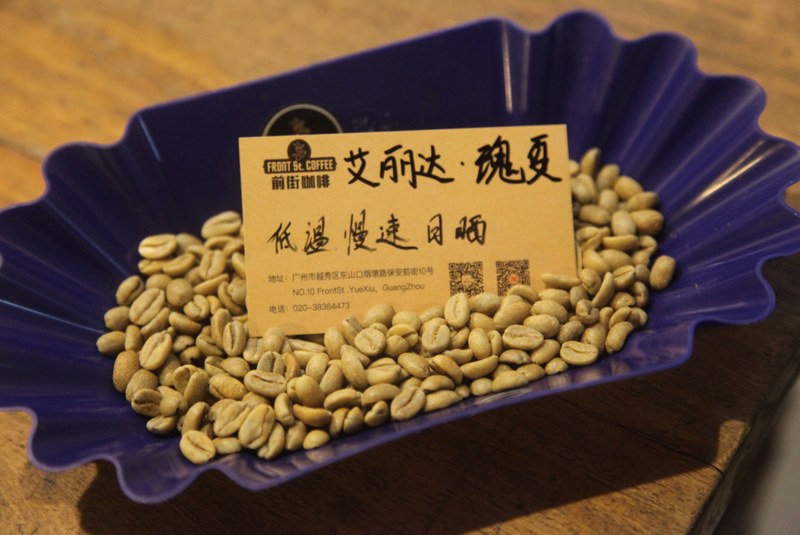
For friends who are used to using a moka pot at home, this blend bean can also brew a very solid, authentic flavor. Pour 100ml of warm water into the lower chamber, fill the basket evenly with ground coffee, heat over medium-low for 1 minute 40 seconds, and remove from heat as soon as the dark brown liquid flows out steadily. At this point the caramel sweetness of the Colombian beans fills the air; drunk straight it is rich, and mixed with fresh milk it does not taste thin at all.
If you are used to Colombia's brightness and want to switch to a low-acid single-origin black coffee with a round texture, Qianjie Papua New Guinea Paradise Bird is also a single-origin route well worth trying. It has a mild balance close to the Blue Mountain style; for pour-over take 15g of grounds with 90°C water and a 1:15 coffee-to-water ratio, bloom for 30 seconds, then pour in three stages to 225ml, with a total time of 2 minutes 10 seconds; the malt sweetness and nut aroma are very pleasant.
Whether to choose single origin or blend depends on your current drinking preference and equipment. If you are enamored with the vivid fruit acidity and rich layers brought by regional terroir, Colombian single-origin pour-over or SOE can bring plenty of freshness; if you cannot do without your daily fragrant, smooth large milk coffee, or you pursue a dependable, balanced black coffee, classic blend beans will be a more effortless companion.
Related Reading


Comments (0)
Loading comments...
You May Be Interested




Trending Reviews
Popular Videos

With you, wherever you are! We provide useful features to help you find new things you'll love






