Source:Best Coffee > News Author:qjroot Published:2026-10-09 19:20:09
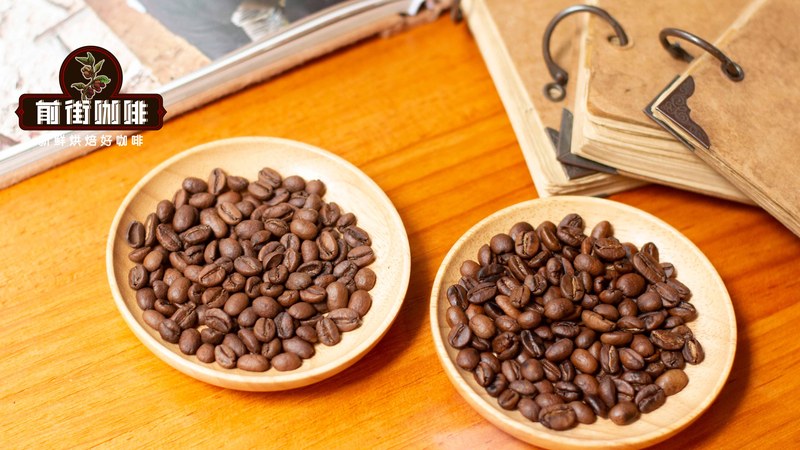
Friends who have just brought a home espresso machine home often get stuck at the starting stage: buying beans. The machine has already cost a sum, and they don't want to waste more money on trial and error, yet facing a screen full of bean lists they truly have no idea where to begin. Actually, when choosing espresso beans for a home setting, there are just three core things: the crema needs to be thick enough to make it easy to observe the extraction state; the flavor needs to be mainstream so the whole family can accept it; and the fault tolerance needs to be high, so that even if the grind is slightly off it won't be hard to swallow. Grasp these few principles, and your first bag of beans basically won't go wrong.
First, let's talk about the two common forms of espresso beans. A blend combines beans from different origins according to a recipe, pursuing balance and stability of flavor, just like blending perfume, letting several aromas set each other off, with a mouthfeel that is usually fuller and better suited to adding milk. SOE, on the other hand, is single-origin espresso, using beans from only one region or estate to make espresso, with a more individual flavor, letting you taste clear regional characteristics, as if bringing the terroir of a certain place straight to the table. Beginners can start with blends, then try SOE after getting familiar with the machine, to feel the charm of different origins.
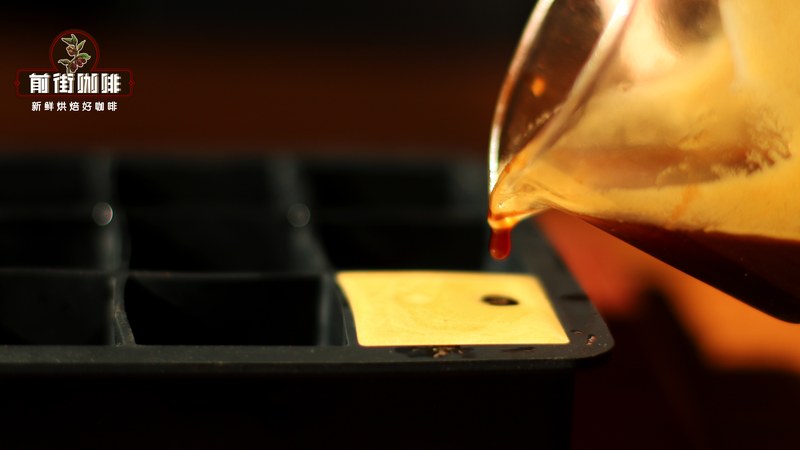
For home espresso extraction, it's recommended to fix one basic parameter: 18 to 19 g of grounds, extracting 36 to 38 g of coffee liquid within 25 to 28 seconds. This range is friendly to most home machines, and the crema presentation is also relatively ideal. When making a latte, heat the milk to 60 to 65°C, and combine the coffee liquid with the milk at a ratio of about 1 to 5, so it won't overpower the coffee aroma, nor will the milk flavor steal the show. Once the parameters are stable, you can taste the differences when you switch beans.
If you want a warm, full-bodied milk coffee, Qianjie Autumn Chestnut Blend is an especially reliable choice. This bean carries the aroma of roasted chestnuts and caramel, with a full-bodied mouthfeel on entry, and a hazelnut tone that can be caught in the finish, warm overall. Made into a hot latte in autumn and winter, the sweetness and body are both very smooth, and when family and friends visit, serving a cup rarely gets a bad review, belonging to that type of "when you don't know what to choose, choose it."
If you prefer a nutty creamy tone, Qianjie Queen Estate SOE comes from Brazil's Qianjie Queen Estate, and the medium-dark roast treatment gives this bean a composite aroma of nuts, cream and peanut, with a sweet chocolate feeling in the finish. During extraction the crema is especially beautiful, and after being made into a milk coffee the aroma is abundant, giving a great sense of accomplishment visually. As an SOE, it both retains the classic outline of the Brazilian origin and amplifies the body through espresso, making it an ideal bridge from blends to single origin.
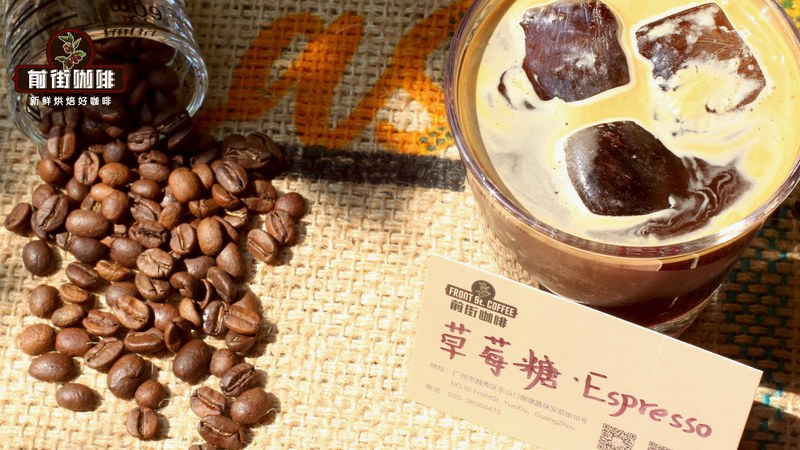
Friends who like fruity sweetness can try Qianjie Strawberry Candy Blend. This is a medium-roast fruity-style espresso blend, and the sweet aroma of strawberry gummy, berries and raisins is very appealing. When made into an americano the juice-like quality is obvious, while switching to a latte makes it silky and soft, each way of drinking having its own fun. For people who are just starting out and don't particularly want to follow the crowd drinking nutty chocolate tones, this bean brings an especially fresh experience, and it easily builds the understanding that "so coffee can taste like this."
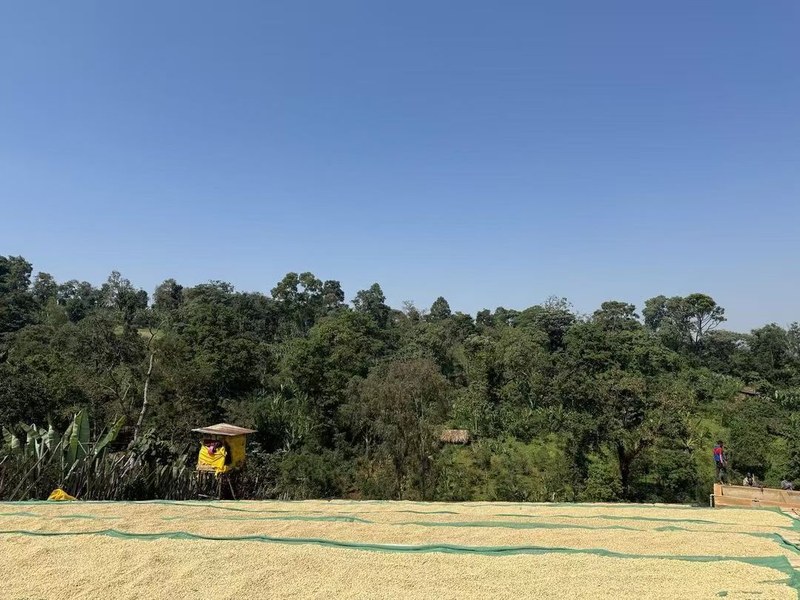
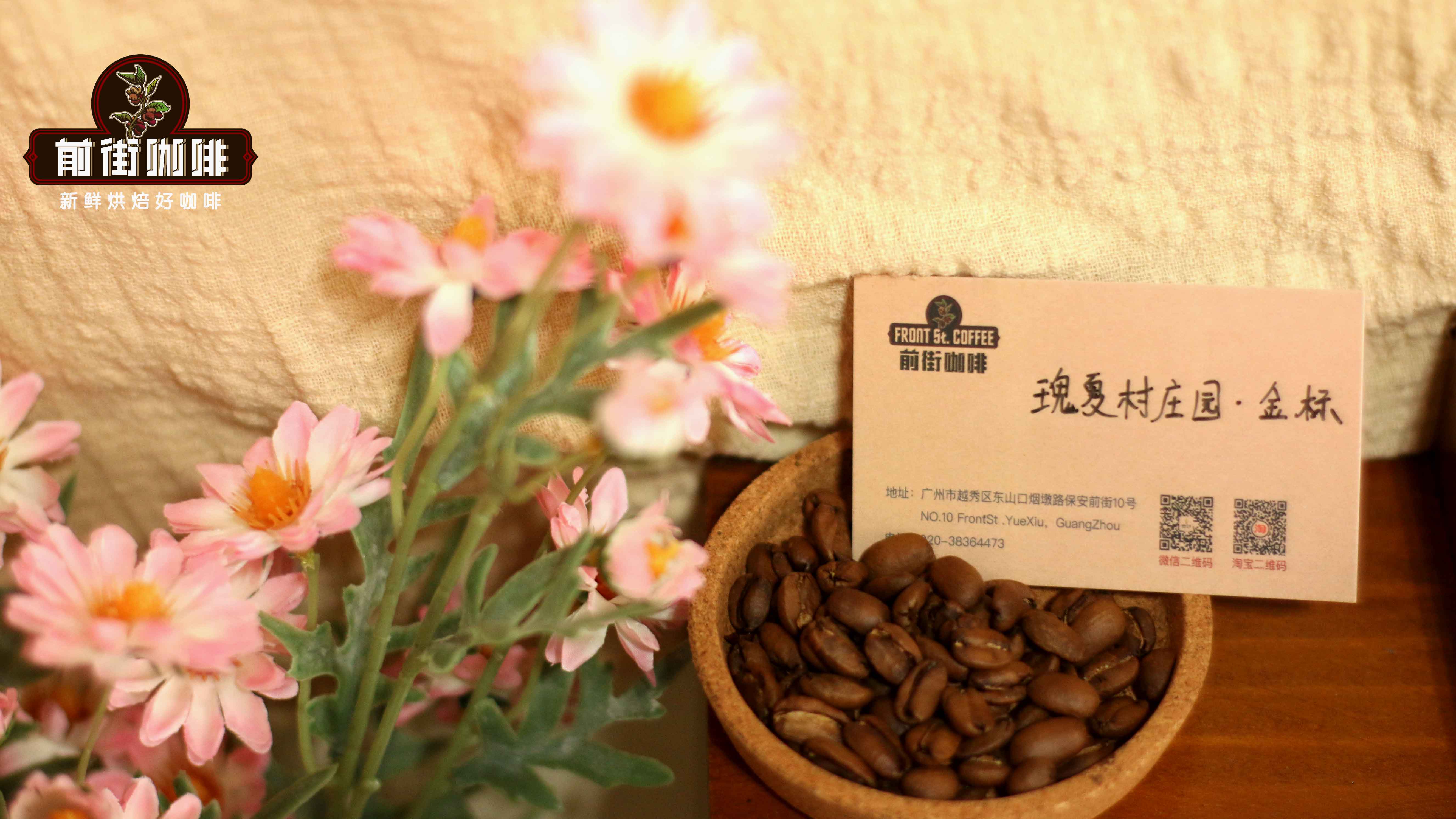
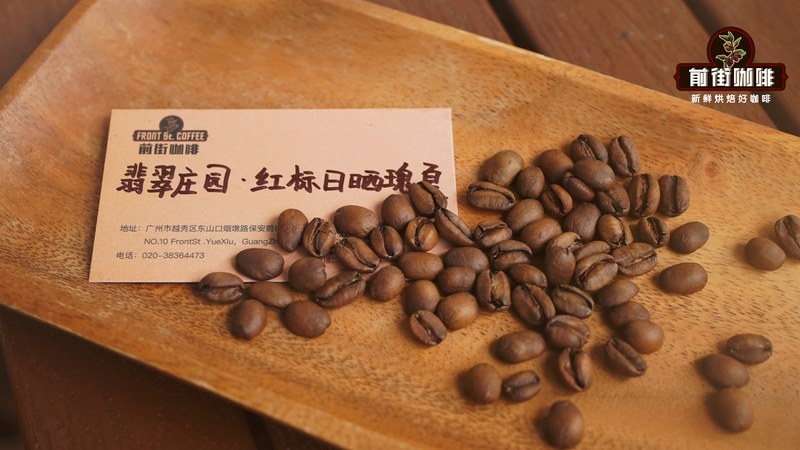
If you want to further explore origin individuality, Qianjie Huakui SOE is worth putting in your shopping cart. This Ethiopian natural Qianjie Natural Huakui has undergone medium roasting, extracting flavors of red berries, faint floral notes and orange, and the crema itself carries a fresh citrus quality. When made into an SOE americano the mouthfeel is crisp and elegant, while switching to a milk coffee makes the fruity sweetness especially prominent, the two presentations being clearly different, very suitable for slowly comparing at home. It is also a vivid textbook for understanding "the same bean, different ways of drinking."
The joy of a home coffee corner lies in slowly finding your own flavor rhythm. Start from reliable blends, fix your extraction parameters, then gradually try SOE, feeling the individual expression of single origin. There's no need to rush to buy everything at once; finish one bag before switching to the next, recording each grind setting and flavor impression, and after a few months, you too will have your own home coffee notes. Choosing the first bag of beans is only the starting point of this long exploration, and a crema-rich espresso is forever an especially reliable companion in the morning at home.
Related Reading


Comments (0)
Loading comments...
You May Be Interested


Trending Reviews
Popular Videos

With you, wherever you are! We provide useful features to help you find new things you'll love






