Source:Best Coffee > News Author:Best Coffee Published:2025-03-01 17:07:00
" "
"
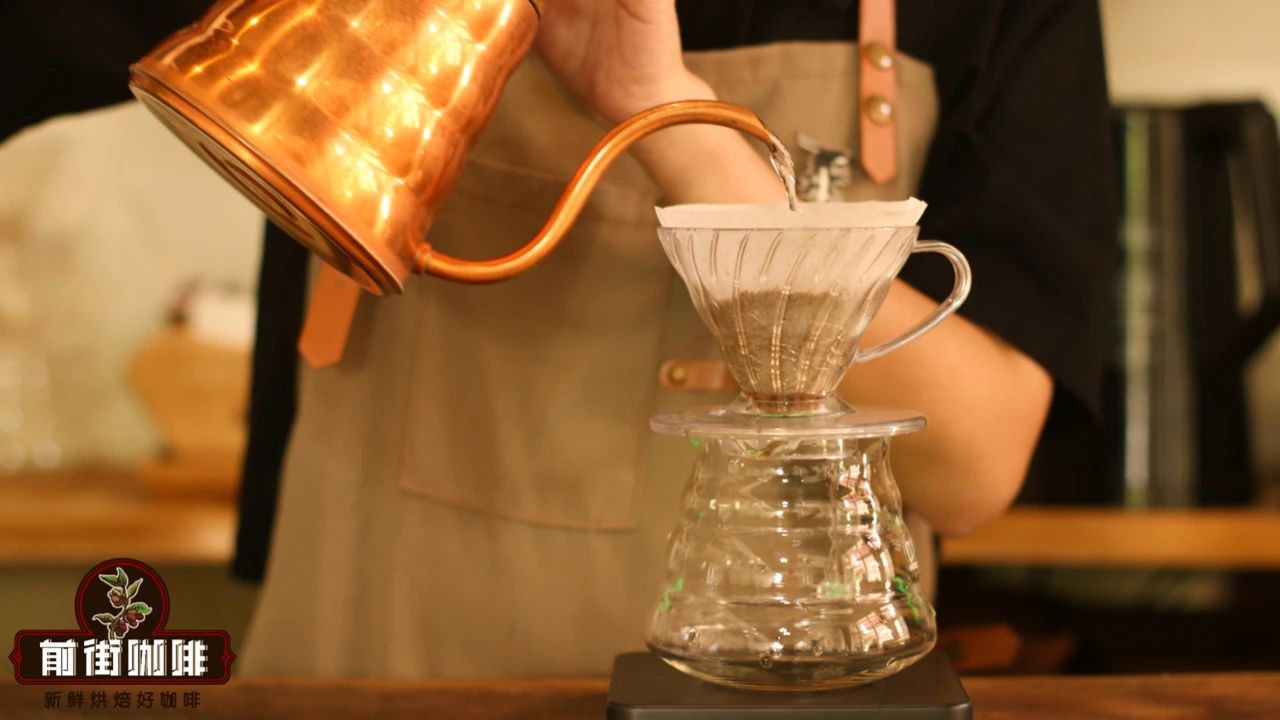
When brewing pour-over coffee, simply pouring hot water into the filter cone won’t yield great results. Today, FrontStreet Coffee will share some V60 pour-over techniques.
For the V60 filter cone, as long as you follow these basic steps, you can freely combine the rest.
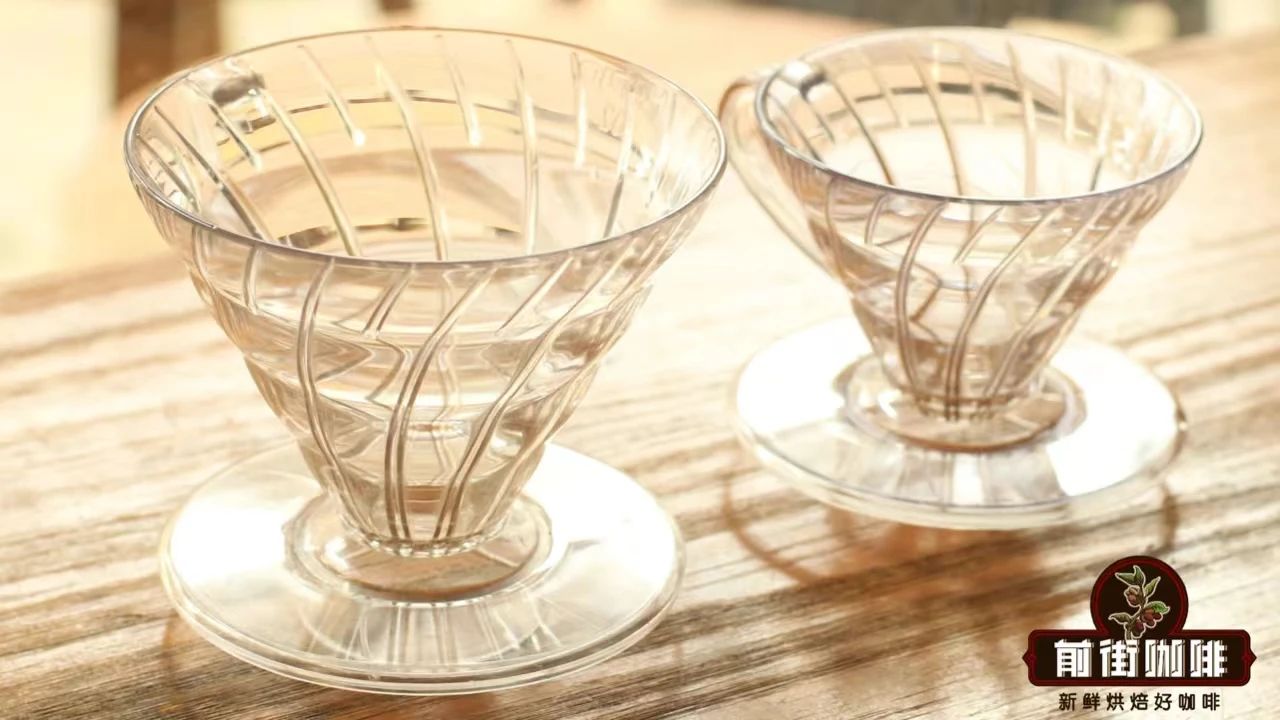
Preparation steps needed:
Water temperature:
Light roast coffee: 92°~95°, medium roast coffee: 90°~92°, medium-dark roast coffee: 88°~92°, dark roast: 85°~88°
Water temperature:
Light roast coffee: 92°~95°, medium roast coffee: 90°~92°, medium-dark roast coffee: 88°~92°, dark roast: 85°~88°
② Fold the filter paper along the seam
③ Place the filter paper into the filter cone and thoroughly rinse it with hot water. Be especially careful if using natural paper filters. Rinsing not only removes the taste of the paper pulp but also heats the filter cone. If not preheated, the water temperature will drop sharply during extraction, resulting in improper extraction;
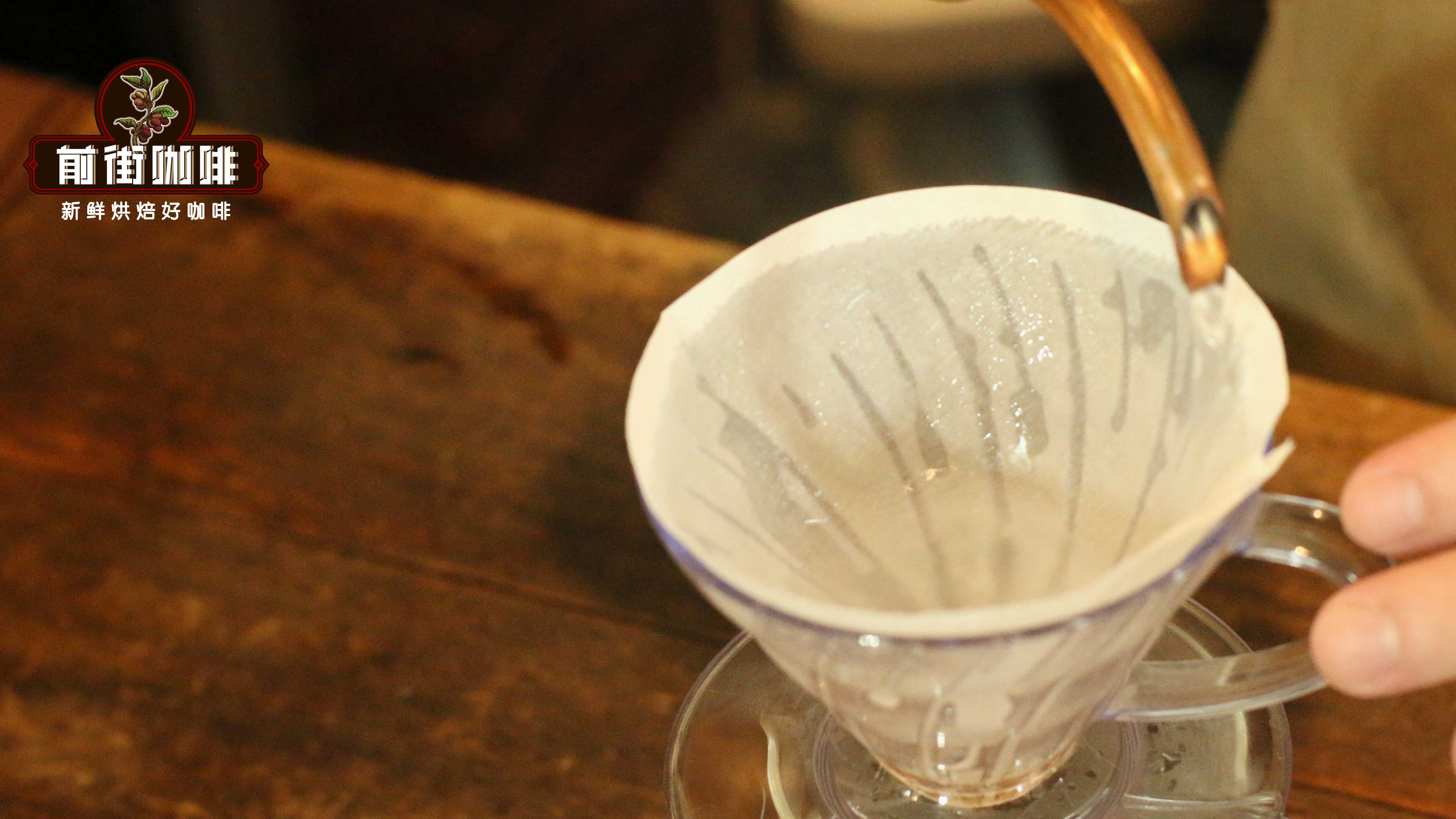
2. Use hot water from the pour-over kettle to pour in a clockwise circular motion over the filter paper. This serves three purposes:
A. Helps the filter paper adhere more tightly to the filter cone, preventing channeling.
B. Removes the taste of the filter paper.
C. The hot water flows into the lower container, warming it up and enhancing the flavor of the coffee.
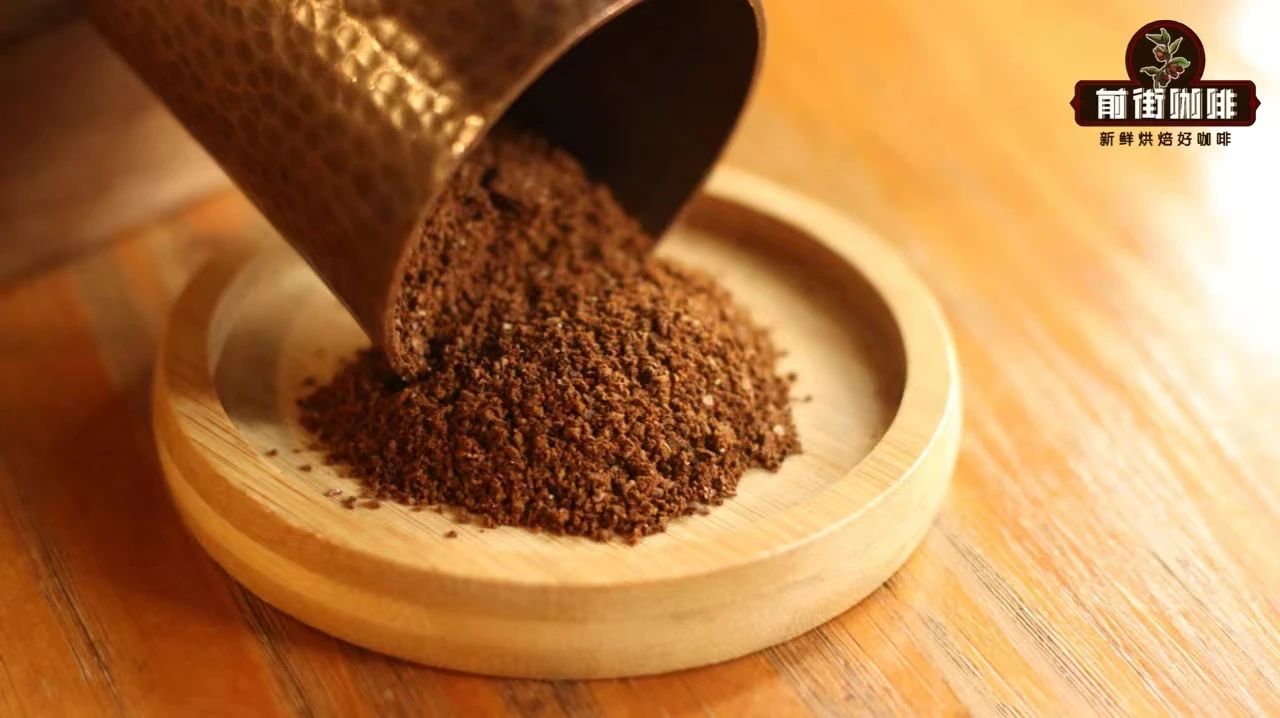
④ Grind fresh coffee beans
5. Place the filter cone with evenly spread coffee grounds back onto the brewer. Using the pour-over kettle, start pouring hot water in a circular motion centered on the filter cone. Begin timing when you start pouring. Uniformly pour 30g of water within 10 seconds, then stop pouring and let it bloom until 30 seconds before the second pour.
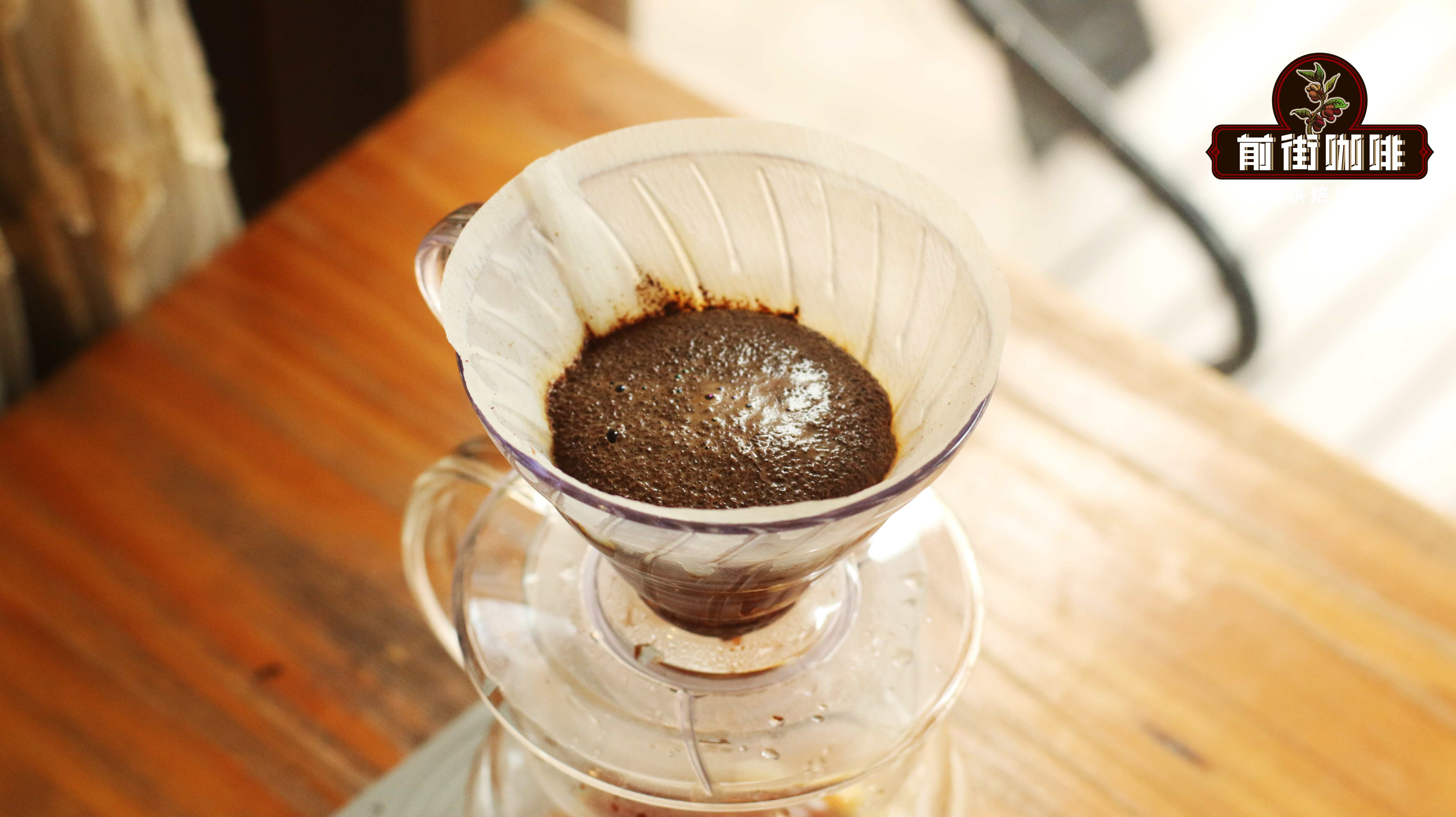
6. For the second pour, just like before, draw circles clockwise with the center of the filter cone as the axis. Do not let the water hit the area where the coffee grounds meet the filter paper to avoid channeling. Leave a ring around the outermost edge of the coffee grounds. Then pour inward circle by circle.
7. After about 2 minutes, pour until you reach 225g (a 1:15 coffee-to-water ratio), and your manual brew is complete.
That’s the entire process of making a manual coffee brew—it actually looks quite simple.
Finally, here’s a summary of the techniques:
V60 Bloom Notes:
Don’t use too much water for the bloom. For 20g of coffee, I usually use about 40g of water. This amount is just enough to fully saturate all the coffee grounds. There should also be some technique to the bloom pour. When using a HARIO V60 filter cone, I prefer to start pouring from the center of the coffee pile. Avoid hitting the edge of the filter paper during the bloom—keep about 0.5cm away. This allows the large amount of gas released by the coffee grounds to escape quickly through the still-dry outer layer of coffee, and it also prevents the surface of the bloom from being disturbed. Don’t worry, the outer ring of coffee grounds will absorb hot water and become saturated on its own after a few seconds, while still preserving the necessary channels for gas release.
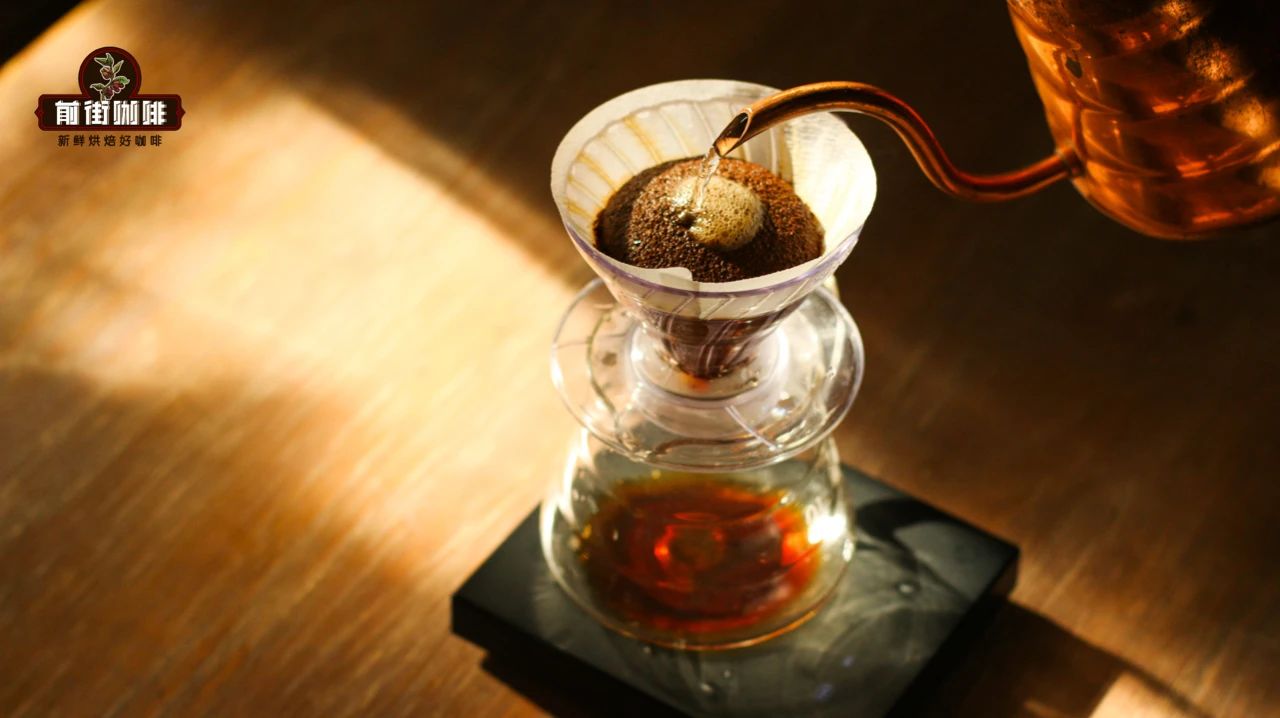 Notes on the Circular Pouring Technique:
Since the V60 has a conical shape, you’ll need a gooseneck kettle; otherwise, circular pouring will be difficult, and this is important for controlling the flow rate. The thickness of the water stream determines the flavor of your coffee, as well as your immersion and extraction times. When pouring in circles, maintain a steady, uninterrupted flow with an even water column and consistent speed. This V60 filter cone doesn’t easily clog unless you grind the coffee extremely fine. If you’re pouring at a relatively fast rate, you can grind the coffee a bit finer.
Due to the four different materials the V60 comes in, you should also consider the material when preheating. Heating a ceramic filter cone takes longer than heating stainless steel, glass, plastic, or copper ones. "https://v3.coffeecdn.cn/uploadfile/ueditor/image/202503/1740819993d1b8ac.jpg" Avoiding Astringent and Harsh Tastes in the Final Extraction Stage:
1. Use a step-down temperature reduction to lower the extraction rate in the final stage. Disadvantage: Overall flavor may become lighter and the mouthfeel thinner.
2. Directly discard part of the final extraction liquid. Disadvantage: Overall concentration will increase, and the flavor may become more complex.
3. Use a larger water flow and agitation to dilute the final stage. Disadvantage: The coffee-to-water ratio may become unbalanced, and if not handled well, it could instead intensify astringency in the final stage.
Notes on the Circular Pouring Technique:
Since the V60 has a conical shape, you’ll need a gooseneck kettle; otherwise, circular pouring will be difficult, and this is important for controlling the flow rate. The thickness of the water stream determines the flavor of your coffee, as well as your immersion and extraction times. When pouring in circles, maintain a steady, uninterrupted flow with an even water column and consistent speed. This V60 filter cone doesn’t easily clog unless you grind the coffee extremely fine. If you’re pouring at a relatively fast rate, you can grind the coffee a bit finer.
Due to the four different materials the V60 comes in, you should also consider the material when preheating. Heating a ceramic filter cone takes longer than heating stainless steel, glass, plastic, or copper ones. "https://v3.coffeecdn.cn/uploadfile/ueditor/image/202503/1740819993d1b8ac.jpg" Avoiding Astringent and Harsh Tastes in the Final Extraction Stage:
1. Use a step-down temperature reduction to lower the extraction rate in the final stage. Disadvantage: Overall flavor may become lighter and the mouthfeel thinner.
2. Directly discard part of the final extraction liquid. Disadvantage: Overall concentration will increase, and the flavor may become more complex.
3. Use a larger water flow and agitation to dilute the final stage. Disadvantage: The coffee-to-water ratio may become unbalanced, and if not handled well, it could instead intensify astringency in the final stage.
Related Reading
Comments (0)
Loading comments...
You May Be Interested

Trending Reviews
Popular Videos

With you, wherever you are! We provide useful features to help you find new things you'll love






