Source:Best Coffee > News Author:qjroot Published:2024-07-18 18:53:02
According to multiple Kenyan media reports, on July 16, Kenyan citizens once again took to the streets to continue demonstrations against the Ruto government. Moreover, this round of demonstrations took place not only in the capital, Nairobi, but also in Mombasa, Nakuru, Kericho, Kisii and Meru.
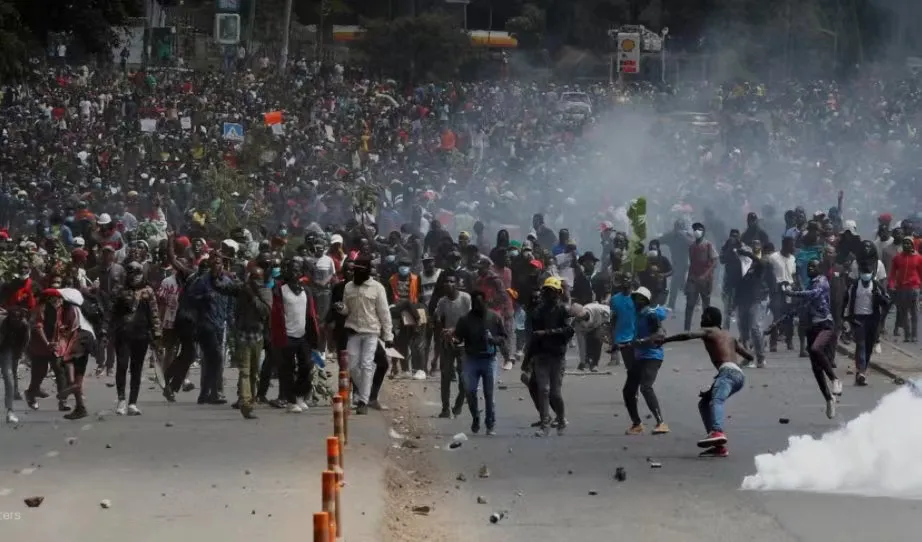
This round of demonstrations originated in June of this year from the Finance Bill, 2024, pushed by Kenyan President William Ruto and the current central government of Kenya. This finance bill explicitly proposed raising 346.7 billion Kenyan shillings (about 2.67 billion US dollars) through additional taxation to continue paying the interest on high sovereign debt.
The new tax increases would impose a 16% value-added tax on the purchase of bread, sugar transport, the use of mobile communications and financial services, and foreign currency transactions. But for ordinary people, who have long faced pressure in daily life, along with the lingering effects of the earlier COVID-19 pandemic, price rises caused by geopolitics, currency depreciation and other economic shocks, resentment toward the government kept accumulating and eventually triggered violent conflict.
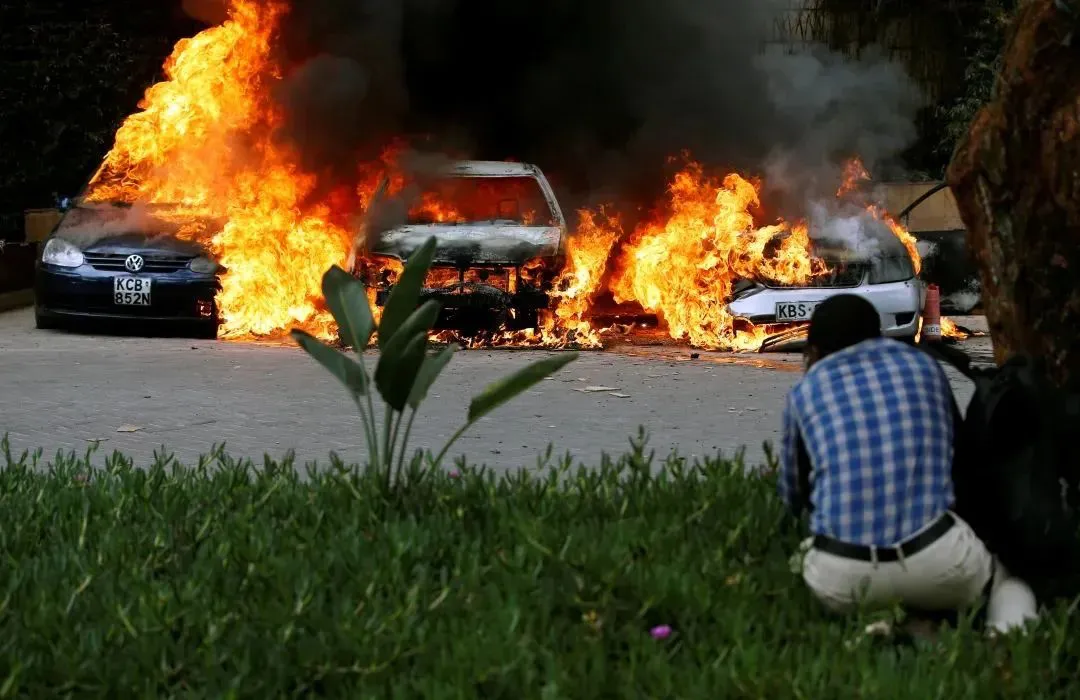
During the clashes, protesters stormed the Kenyan parliament building, destroyed facilities and set parts of the parliament building on fire. Kenyan police opened fire on the protesters, and so far a total of 50 people have been killed, 413 injured, with enormous material and property losses.
Because the incident had serious repercussions, President Ruto eventually made a televised speech announcing that he would refuse to sign the Finance Bill, 2024, but the demonstrations and other actions did not stop. In early July, young people in certain parts of Kenya continued small-scale protest marches, and during this period President Ruto also issued a series of measures, but with little effect.
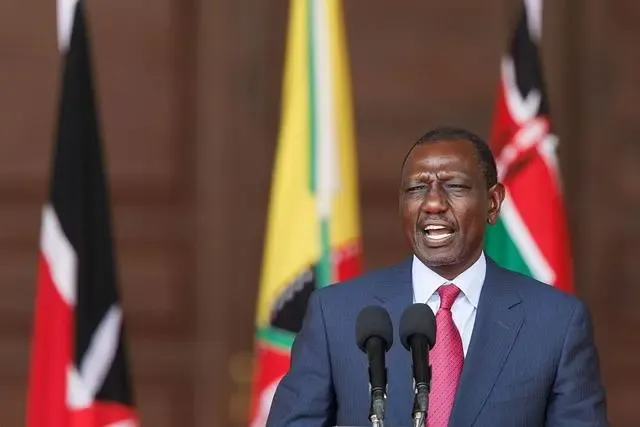
Afterward, President Ruto delivered a televised address, announcing the dissolution of the Ruto government's cabinet; apart from the Prime Cabinet Secretary and Foreign Minister, all other serving cabinet ministers (CS) and the Attorney General (AG) were dismissed.
However, calls for President Ruto to resign remain strong, with many Kenyans believing that the ruling party has achieved nothing in its 2 years in power. As a result, protests have continued to this day, and on July 17, Kenyan citizens and major social media platforms circulated posters calling on the public to join demonstrations. Some scholars believe that as long as President Ruto fails to resolve the foreign debt and economic problems, the protests will likely continue.

In fact, the conflict occurred because Kenyans have long faced livelihood pressure, caused by the lingering effects of the earlier COVID-19 pandemic, the spillover effects of geopolitics, two consecutive years of drought and currency depreciation.
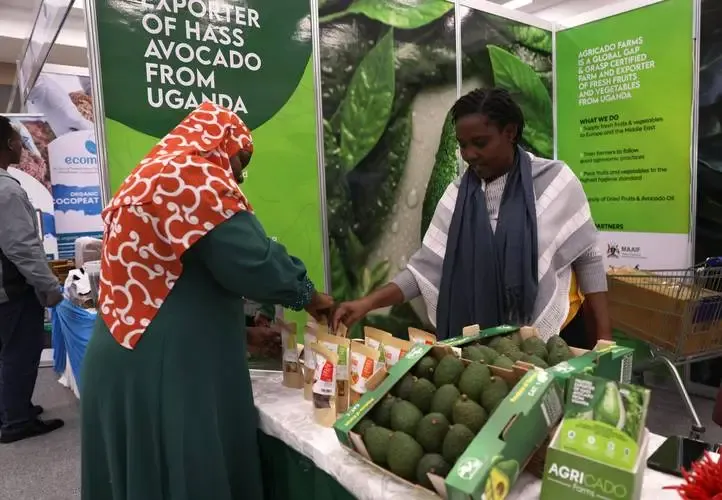
This is especially true of the country's important coffee industry. According to reports, coffee planting area is shrinking, mainly because of real estate development, and the surge in the country's avocado exports has led some coffee farmers to switch to growing avocados; in addition, funding constraints at the Coffee Research Institute (the only supplier of certified planting material) and other factors have hindered the establishment of new coffee farms.
In addition, the earlier implementation of the Coffee Act 2019 and the Capital Markets (Coffee Exchange) Regulations 2020 caused several coffee processing plants in the country to shut down because they could not obtain licences (including the globally known coffee trading company NKG).
At present, coffee can only be processed at processing plants under the growers' cooperative union (NKPCU) or at licensed cooperative processing plants. Because some processing plants are small in scale, goods are piling up, and coffee cherries are rotting due to delayed processing.
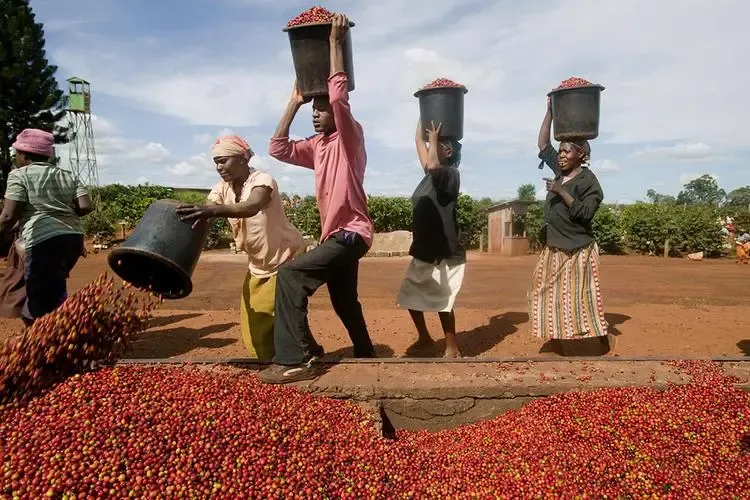
Moreover, many of the areas where protests and marches are currently taking place are well-known coffee-producing regions in the country, as well as port areas. Because interests are at stake, many workers have also gone to take part in the marches, worsening delays in coffee production, processing and export. In addition, Kenya's political situation is currently quite unstable and it faces the possibility of major change. People in the coffee industry are uncertain about the government's future policies and believe the outlook for industries such as coffee remains unclear.
Related Reading








Comments (0)
Loading comments...
You May Be Interested






Trending Reviews
Popular Videos

With you, wherever you are! We provide useful features to help you find new things you'll love






