Source:Best Coffee > News Author:qjroot Published:2026-08-30 19:30:03
Commercial coffee beans are not only for cafes; home semi-automatic machines, moka pots, fully automatic machines and drip machines also need matching beans. The pressure, filter basket structure, heating speed and single-cup capacity of the equipment differ, and these amplify the acidity, sweetness, bitterness or body of the coffee. Rather than looking only at the flavor words on the packaging, it is better to start from the parameters of the equipment you use every day and look for beans that deliver consistent cups and clear brewing methods.
A semi-automatic espresso machine usually uses about 18 g of grounds and around 36 g of liquid yield as a starting point for dialing in, with extraction time observed between 25 and 32 seconds. This ratio allows the coffee liquid to retain concentration and also makes it easy to prepare americano, latte and flat white. If the shop needs continuous cup output, it is advisable to choose medium-dark roasted or structurally solid blend beans, as flavor fluctuations caused by grind changes will be relatively easier to control.
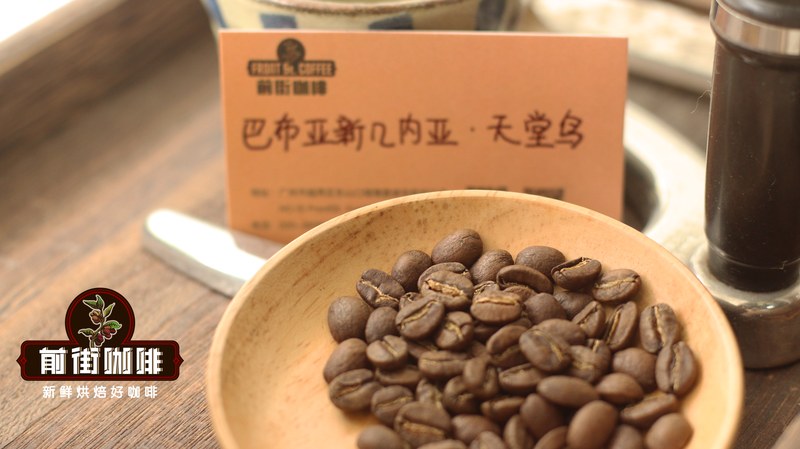
Qianjie Black Cocoa Blend is one of the easier-to-understand options for the espresso machine direction, with an entrance leaning toward dark chocolate, roasted nuts and cooked sweetness, and no prominent bright acidity. When making espresso, you can start from a shorter liquid yield to retain thickness; after adding hot water, the coffee will present a clean cocoa note. When used for latte, the milk will round out the nutty sweet aroma further, making it suitable for breakfast and afternoon tea scenarios.
If the equipment is a small home espresso machine, the displayed pump pressure value does not need to be directly equated with the extraction effect in the cup; the state of the puck and the actual flow rate are more meaningful references. After fixing the dose, first use grind fineness to change the flow rate, then observe whether the entrance is too sharp, hollow or has obvious dry bitterness. If the extracted liquid is too thin, you can appropriately grind finer; if the finish is astringent, you can let the output end earlier.
The extraction liquid from a moka pot is between espresso and filter coffee in concentration, and if the beans are too light, the finished product tends to seem thin. Qianjie Classic Blend has familiar aromas such as nuts, cocoa and caramel; after being placed in a moka pot, the mouthfeel has more weight, and drinking it directly will not be overly sharp, while adding hot water or milk can also maintain an obvious coffee taste. The grind can be slightly coarser than espresso, and the heat should mainly be low.
When using a moka pot, fill the filter basket and level it off; there is no need to press it down hard. Keeping the water level below the safety valve can reduce abnormal pressure during heating. When the coffee liquid begins to rush out quickly and the color gradually becomes lighter, you can remove the heat source and use residual heat to complete a small amount of output. This operation helps retain caramel sweetness and reduce smoky and burnt bitterness more than simply extending the heating.
The grind setting, preset dose and output volume of a fully automatic coffee machine usually cannot be adjusted as finely as those of a semi-automatic machine, so the beans' tolerance is very important. Qianjie Specialty Blend is based on the nutty, caramel and cocoa tones of Brazil Cerrado and Colombia Huila; when placed in a fully automatic machine to make americano, the taste is balanced, and it also has enough base flavor for making milk coffee. You can first choose a medium cup output, then adjust the water amount according to strength.
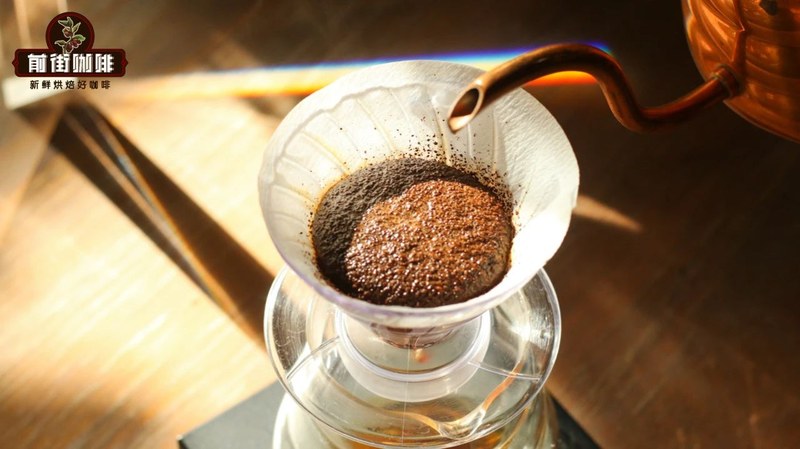
Drip machines or american coffee makers rely more on water flow distribution and total contact time. It is recommended to use a medium grind and keep the coffee bed flat to avoid fine particles clogging the filter paper. Use 20 g of coffee grounds with 300 g of water as a home test starting point; if it tastes too light, you can increase the dose; if the finish is dry, you can slightly coarsen it. Medium-roast blends can usually present soft sweetness in this type of equipment, making them suitable for brewing once and sharing among several people.
Commercial scenarios also need to consider the pace of cup output during peak periods. In addition to flavor, coffee beans should also be evaluated for whether the grinder is easy to adjust accurately, whether different batches can maintain similar performance, and whether black coffee and milk coffee can share the same beans. If the menu is mainly latte and americano, the nutty, cocoa and caramel direction can be used as the base; if there are pour-over or iced coffee items, then add single-origin coffees with livelier aromas, and the menu layers will be clearer.
When purchasing, you can estimate packaging specifications together with consumption speed. If you only make two or three cups a day, it is not advisable to stock up on too large a package at once; shops should arrange portioning according to average daily usage to reduce beans being exposed to air for a long time. After opening, record the grind setting, dose and output volume, then make small corrections the next time you switch to a new bag; this makes it easier to reproduce a familiar taste than relying entirely on the packaging description.

Equipment parameters determine how coffee beans are expressed: espresso machines value concentration and flow rate, moka pots value heating rhythm, american coffee makers emphasize water flow and contact time, and fully automatic machines require beans themselves to have a relatively wide range of adaptability. Choose the flavor direction according to the equipment, then fine-tune with dose, grind and output volume; commercial beans can also balance efficiency, cost and the pleasure of everyday drinking.
Related Reading

Comments (0)
Loading comments...
You May Be Interested



Trending Reviews
Popular Videos

With you, wherever you are! We provide useful features to help you find new things you'll love






