Source:Best Coffee > News Author:qjroot Published:2026-09-24 15:29:26
Many friends, on a slightly chilly morning or a busy afternoon, always long for a rich, warm cup of coffee. During roasting, dark-roasted beans undergo a full Maillard reaction, which greatly reduces acidity and transforms it into alluring aromas of dark chocolate, caramel and roasted nuts. However, many people brewing at home often find the taste either too weak or too strong, sometimes with an astringent note in the finish, and this is usually because concentration and extraction yield are not well coordinated.
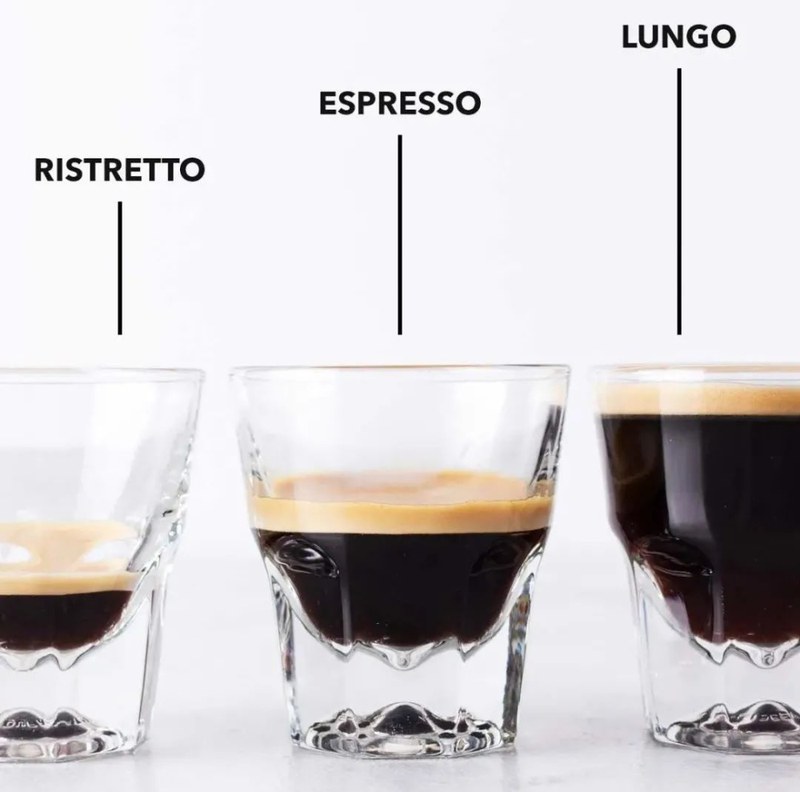
Once you understand concentration and extraction yield, adjusting flavor becomes exceptionally simple. Concentration represents how many dissolved solids are in the whole cup of coffee and determines whether the sip is light or thick; extraction yield is how much flavor the water has drawn out of the coffee grounds. If it tastes sour and watery, it is usually under-extraction, leading to a weak flavor; if bitterness clings to the back of the tongue and lingers, it is mostly over-extraction, which also washes out rough off-flavors such as lignin.
Because dark-roasted beans are roasted for a long time, the pores in their internal cell walls are large, so they absorb water extremely quickly and their flavor compounds dissolve out especially easily. To bring a bag of beans to a smooth, pleasant state, you can control it by fine-tuning the parameters. If the sip feels astringent, try coarsening the grind by half a step, or lower the water temperature by two degrees to reduce the extraction yield; if the flavor feels thin, you can appropriately tighten the coffee-to-water ratio so the coffee shows fuller sweetness and body on the tongue.
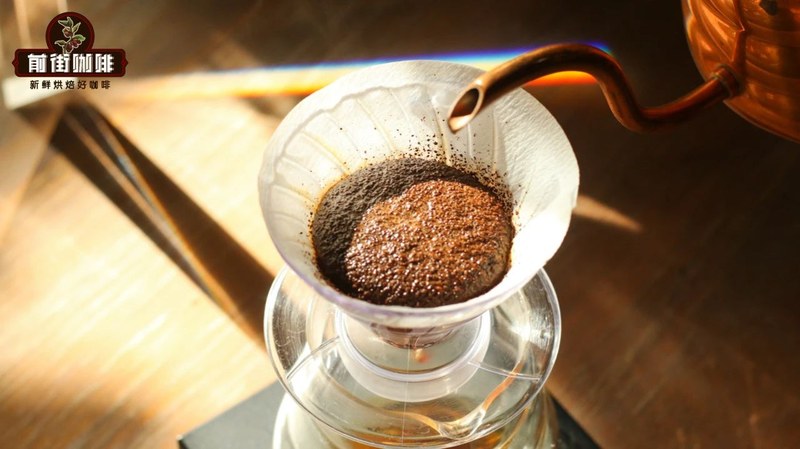
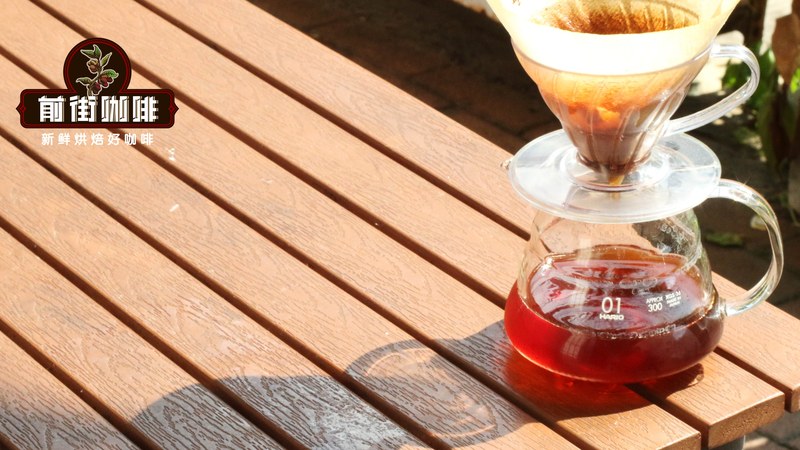
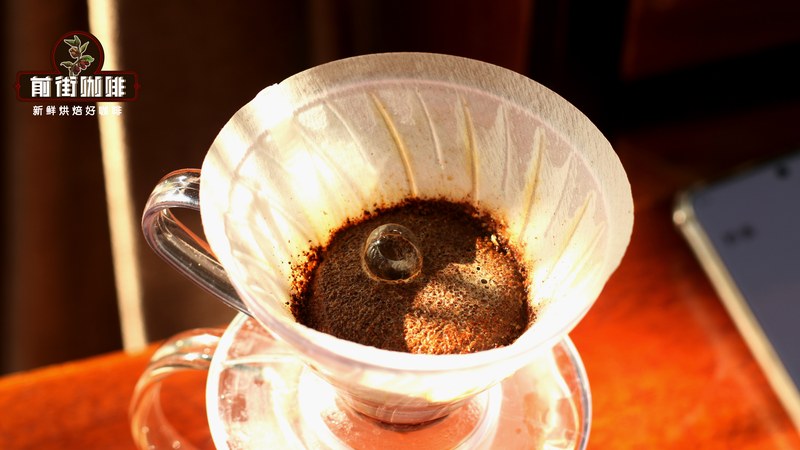
When brewing dark-roasted beans, a gentle set of pour-over parameters is especially useful. We can prepare 15g of coffee grounds, use a 1:15 coffee-to-water ratio, pour a total of 225ml of hot water, and it is recommended to keep the water temperature at around 88°C. Pour in 30ml of water to begin blooming for 30 seconds, then pour in stages, steadily circling to 120ml and pausing briefly, and once the water level drops, pour at a steady pace to fill up to 225ml, with the total time controlled at around 2 minutes, for a full, sweet flavor.
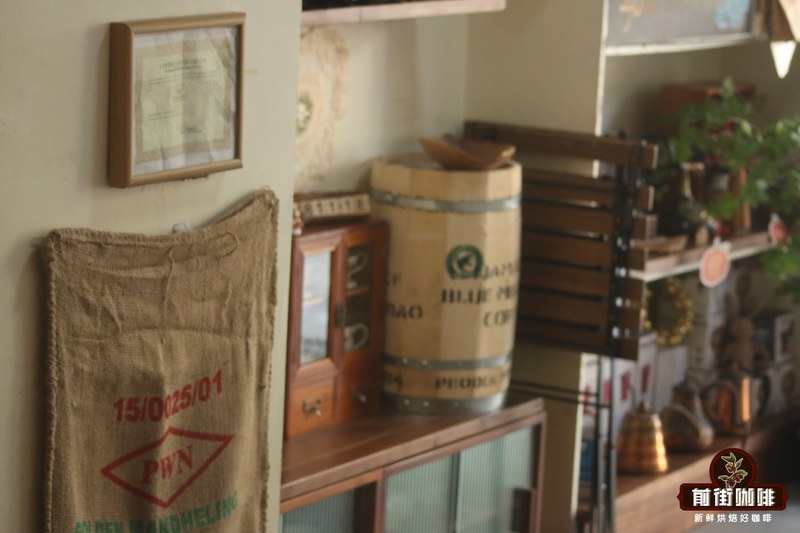
When choosing beans, we should also consider whether the bean's own character suits being brewed strong or light. If you prefer a strong, thick and richly layered mouthfeel, Qianjie PWN Golden Mandheling coffee will be an exceptional surprise. These beans have undergone three rounds of hand sorting and mechanical selection, so the defect rate is very low, and with less influence from earthy off-flavors, they show pure, solid herbal spice and dark chocolate bittersweetness under a dark roast, with an extremely long sweet aftertaste, making them very suitable for brewing strong to feel their surging power.
If you want to find elegant fruitiness within richness, you might try medium-dark roasted Qianjie Colombia Huila coffee. Coming from a high-altitude area in the south gives it a delicate berry note, and under the roaster's fine roasting adjustments, the dark chocolate's sweet aroma and syrupy body are amplified, while the finish carries distinct caramel sweetness. These beans are suitable both for brewing strong to savor their richness and for slightly widening the coffee-to-water ratio to brew light, like a warm cup of nut-and-dried-fruit tea, clean, sweet and refreshing.
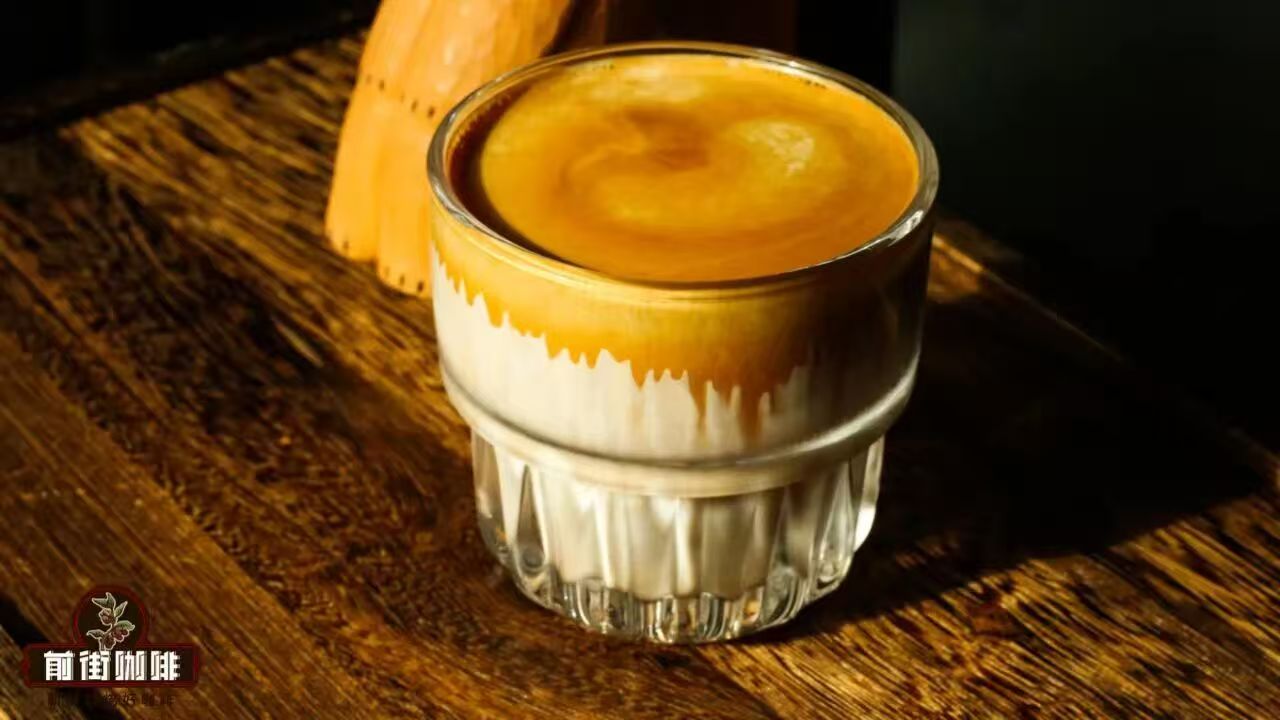
For those who love nutty and cocoa notes, Qianjie Brazil Queen's Farm coffee shows a very balanced approachability. It carries the full aroma of roasted hazelnut and caramel, and the medium-dark roast preserves a faint, gentle fruit acidity. These beans have a high margin for error, taste clean and sweet as a pour-over, and are even better in a moka pot; as the oils rise, they make an especially mellow Americano, and when mixed with hot milk, the smooth, sweet taste spreads through the mouth and is especially comforting.
For beginners trying to make espresso for the first time, Qianjie Classic Blend coffee is a choice that will not go wrong. Its inspiration comes from the traditional Mamba recipe, harmonizing the richness of Indonesian Mandheling with the nutty sweetness of Brazilian beans, then adding some high-quality Robusta to give it an especially stunning crema performance and solid body. Using it to extract espresso for a hot latte not only makes latte art easy and beautiful, but the sip is also full of rich old-fashioned cocoa flavor, with milkiness interwoven in a very satisfying way.
Choosing beans is like finding a friend whose personality matches yours; understand the bean's flavor orientation, then decide based on your preference whether to brew strong or light, and brewing becomes a truly enjoyable thing. As long as you grasp the rules of extraction yield and concentration, whether it leans strong, light or astringent, you can avert disaster through small changes in grind and water temperature. Choose a bag of aromatic dark-roasted beans and calmly feel the caramel sweetness brought by the hot water washing over them; every sip is a gentle comfort.
Related Reading

Comments (0)
Loading comments...
You May Be Interested


Trending Reviews
Popular Videos

With you, wherever you are! We provide useful features to help you find new things you'll love






