Source:Best Coffee > News Author:qjroot Published:2026-10-03 16:25:43
Actually, the charm of African beans lies precisely in that fruity acidity that makes people hesitate. Ethiopia, as coffee's homeland, carries wild floral notes in its very bones. This one from Qianjie Gudingding Cooperative has jasmine aroma as soft as morning mist, and the acidity is bright and invigorating without being biting. But it is a light roast, and if the water temperature is too low it tends to stew out a green, unripe taste, while if too high it turns woody, so you have to nail the heat.
Water temperature works on the same principle as searing a steak. Light-roasted beans have a dense structure, so you need a higher water temperature to coax out the floral and fruity notes; medium-dark roasted beans are porous and loose, so once the water temperature rises all the bitter compounds come rushing out. For pour-over on a light roast, around 90 degrees is recommended, and for medium-dark roast drop to about 85 degrees. Espresso is even tighter, with a short extraction time, and the water temperature range is usually kept between 92 and 96 degrees, letting pressure and time wring the flavor clean for you.
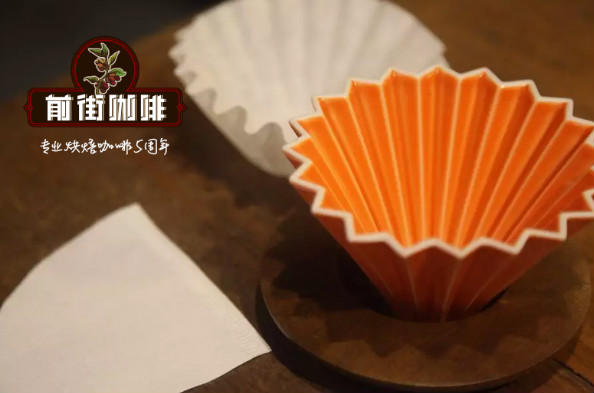
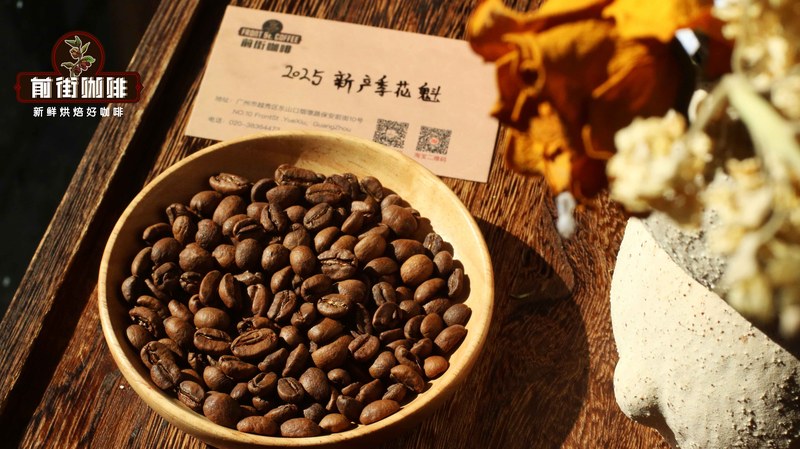
Qianjie's natural-process Huakui is also a representative Ethiopian light roast, with berry notes more exuberant than a washed one. For pour-over, use 15 g of grounds at a 1:15 coffee-to-water ratio, pour 30 ml of 90-degree water for a 30-second bloom, then pour in stages in circles up to 225 ml, keeping the total time to around 2 minutes. Poured this way, the floral notes open up layer by layer, the finish carries honey sweetness, and the bottom of the cup still holds an aroma that lingers in your memory.
Kenyan beans have a different temperament altogether. Qianjie's Little Tomato, a double-washed lot, polishes its acidity to an exceptionally round smoothness, with the sweet-tartness of cherry tomatoes blended with the scent of smoked plums, and a juicy body so thick you can almost chew it. It is quite tolerant of pour-over water temperature, delivering good flavor anywhere from 88 to 94 degrees; at the lower end the acidity is livelier, while at the higher end the sweetness is more solid, like tuning a radio, where turning it either way still finds a good station.

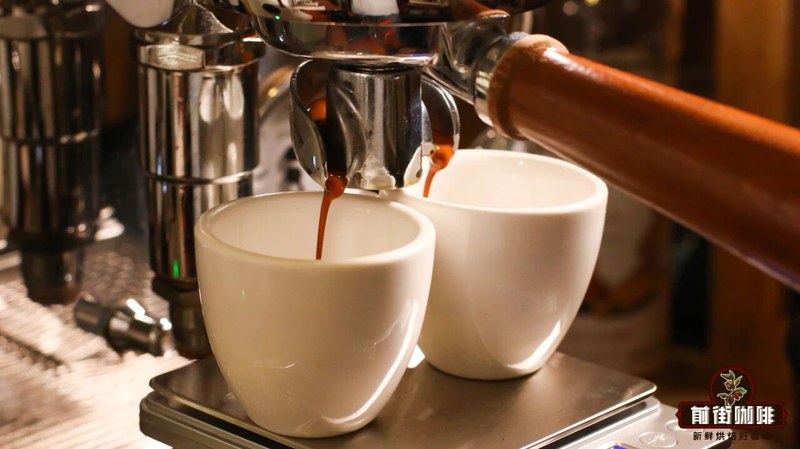
If you make Kenya with an espresso machine, extract 18 g of grounds into 36 to 38 g of espresso in 25 to 28 seconds; the crema comes out carrying fruity acidity, and mixed with hot water as an americano it is like a warm glass of berry juice, while adding milk turns it into a silky fruity latte. In the espresso context no one talks about pouring water for a bloom; what matters is how pressure presses the flavor into the cup, and once the water temperature is stable, the machine finishes the rest for you.
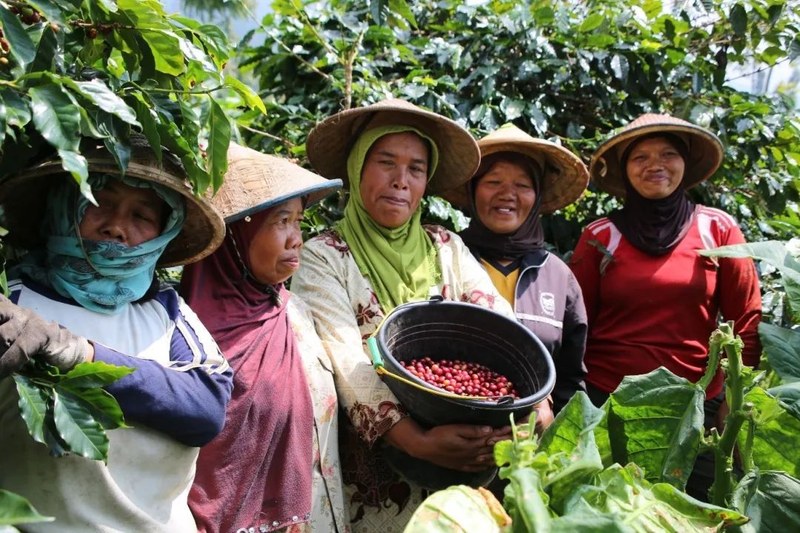
Rwanda's Red Bourbon is often overlooked, but beans raised in volcanic soil are exceptionally layered. Qianjie's Rwanda Red Bourbon has a nutty depth sitting beneath its berry acidity, and its medium-light roast range makes it especially friendly to pour-over water temperature. Brewed at 89 degrees, the acidity stands out in front; brewed at 93 degrees, the sweetness holds it up, and either way it is hard to get wrong, making it suitable for people who have not yet pinned down their own taste to give it a try without worry.
Tanzanian beans are more easygoing. Qianjie's Kilimanjaro comes from the shadow of that snow-capped mountain, with a pleasant citrussy stone-fruit acidity, nuts and caramel holding up the base, the whole balanced as if specially tuned. It is low in bitterness and extremely suitable as an everyday drinking bean, handling either pour-over or moka pot. Fill the moka pot's lower chamber with 100 ml of water, heat over medium-low heat, and the extraction takes 1.5 to 2.5 minutes; the resulting espresso is thick, and mixed with water it becomes a warm, gentle cup of black coffee.
When choosing African beans, it is worth first asking yourself how you plan to drink them. Pour-over players who love to tinker should pick a light-roasted Yirgacheffe or Kenya, where precise water temperature makes for a floral and fruity feast; espresso fans who want convenience will find Tanzania's tolerance means you do not have to agonize over parameters; moka pot users who want a rich, full cup will find Rwanda's nutty base brews up especially dependable in the pot.
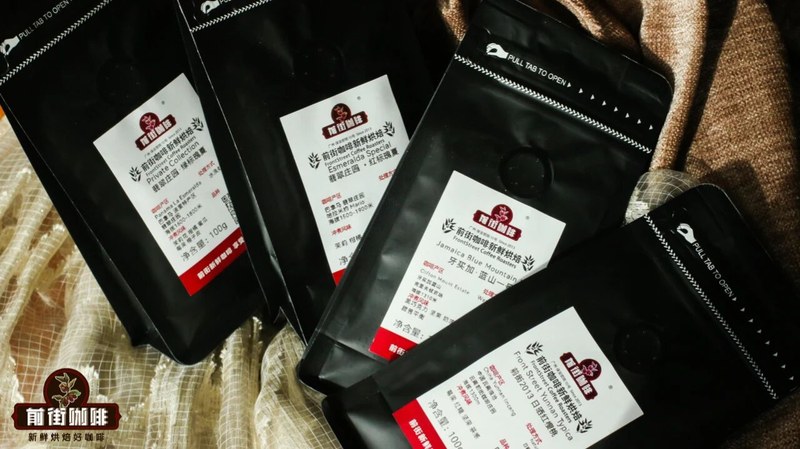
In front of that shelf you stood for five minutes, and finally reached out and pulled down a bag. The light-roast bag shows a matte sheen under the light, you remember the thermometer at home will just come in handy, and the corner of your mouth relaxes without your noticing. The acidity and aroma of African beans were never a problem, they just need a little patience targeted at the right fix. Tonight, you already know in your heart what temperature to heat the water to.
Related Reading





Comments (0)
Loading comments...
You May Be Interested

Trending Reviews
Popular Videos

With you, wherever you are! We provide useful features to help you find new things you'll love






