Source:Best Coffee > News Author:qjroot Published:2026-09-03 18:42:24
Once coffee beans are placed in home equipment, their performance is not determined solely by origin or roast name. Grind setting, water temperature, coffee-to-water ratio and extraction time all change the acidity, sweetness, strength and body in the cup. When choosing beans, you can work backwards from the parameters of the equipment at hand: first judge what kind of beans it can handle consistently, then choose a matching flavor direction.
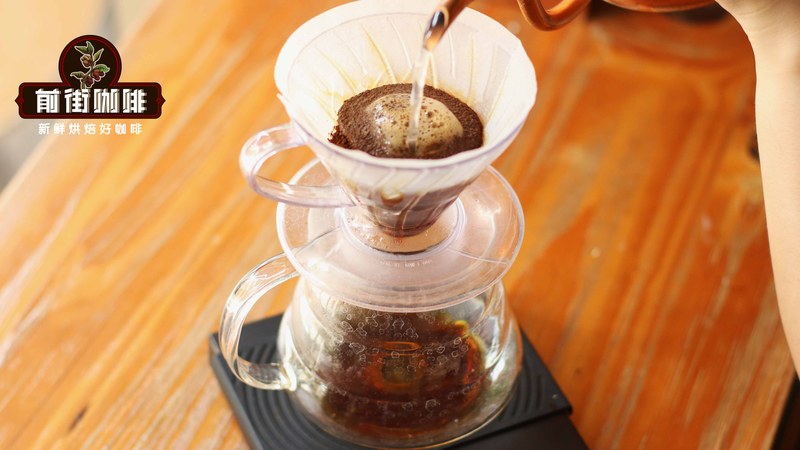
Pour-over kettles and drippers are fairly tolerant of different beans, but light roasts usually need more thorough extraction. If a home grinder is set too coarse and produces limited particle uniformity, water flows through quickly and the floral and fruity notes may be reduced to a sharp acidity. In that case, choose a light-to-medium or medium roast and grind finer, so the water has enough contact with the coffee grounds and sweetness is more likely to emerge.
Water temperature is a highly influential parameter in pour-over. Light roasts can use a higher temperature to help aromatics and soluble solids release; medium roasts can start from a medium temperature to avoid excessive bitterness in the cup. When pouring, there is no need to pursue complex motions; just control the total water volume and flow rate. If the entry is thin, grind one step finer; if the finish feels dry, reduce agitation or let the water pass through faster.
With an espresso machine, the focus of bean compatibility shifts to strength, flow rate and the mouthfeel after emulsification. Home machines vary in pressure and temperature control, and medium-roast beans usually make it easier to dial in stable results. Dose, liquid weight and extraction seconds can be recorded at the same time; when adjusting, change only one of them, and you can tell whether the problem comes from the grind, the distribution or the bean's own dissolution speed.
If you use an espresso machine to make Americanos or lattes every day, pay attention to the bean's solubility and body, not just the aroma description. After milk is added, bright fruit acidity is softened, and sweet aromas like caramel, nuts and cocoa are more easily retained. The espresso yield should not be stretched longer and longer for its own sake; maintain enough density, then use milk volume and temperature to change the overall weight of the cup, which makes it easier to establish a fixed recipe.
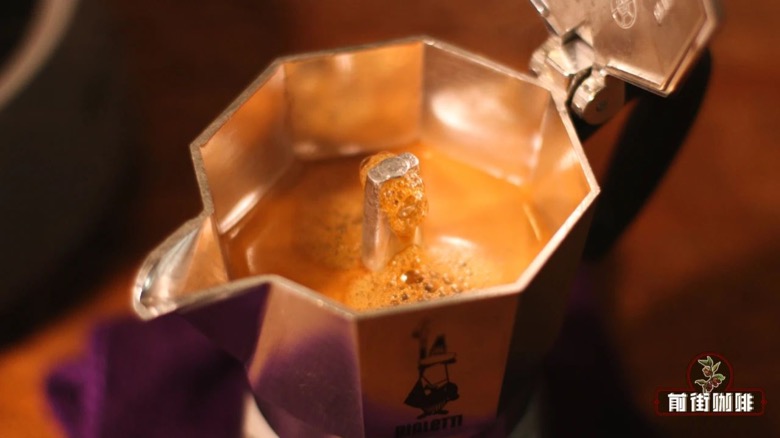
With a moka pot, the water temperature, flame strength and flow state directly affect how the beans present themselves. It does not need the fine grind and high-pressure puck of an espresso machine; the grind can fall between pour-over and espresso, and the coffee bed just needs to stay level. Medium to medium-dark roasts are suitable, letting the short contact time with water draw out perceptible sweetness and richness; if the cup feels harsh, lower the flame and end the heating earlier.
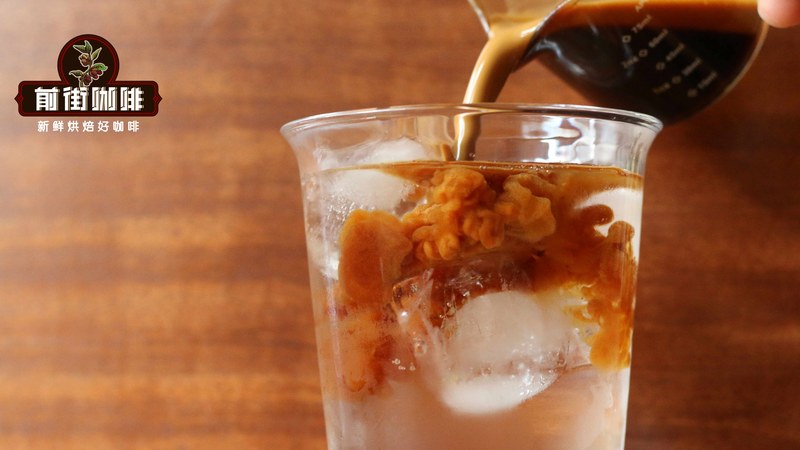
Cold brew and ice drip use lower temperatures and extract more slowly, so the bean's aroma intensity and acidity profile are worth attention. Beans with clear fruit notes often become a softer, juicier taste after low-temperature processing, suitable for drinking over ice. For home cold brew, first fix the steeping time and coffee-to-water ratio, then adjust the grind according to strength, avoiding changing multiple parameters at once and making differences hard to judge.

Qianjie Kaffa Forest is suitable as a practice subject for pour-over parameters. In hot coffee it easily shows citrus and ripe-fruit sweetness, and as it cools the tea-like finish becomes clearer. With a conical dripper, start from a medium-fine grind and a higher water temperature, pouring in stages to observe flavor changes; if you want iced pour-over, appropriately increase the dose or reduce contact time, so the aroma stays light rather than seeming thin.
Qianjie Granja Estate Geisha has highly recognizable aromatics, and the ripe-fruit sweetness brought by natural processing is well expressed with a dripper that offers good clarity. The water temperature should not be too low, otherwise the floral notes easily hide in the cup; the pouring rhythm can stay gentle to reduce off-flavors caused by over-agitation. It is better suited to slow drinking, and also suited to comparing two different grind settings to observe how extraction yield affects the jammy character and floral notes.
If you have an ice maker and an espresso machine at home, Qianjie Colombia Sidra can serve another purpose. Its tropical fruit and berry notes are quite recognizable in cold drinks, and iced pour-over and ice drip both amplify the refreshing quality; when used as a single-origin espresso, priority should go to ensuring liquid weight and sweetness, avoiding dryness from chasing a longer yield. When buying beans, also check the roast date, packaging degassing and the amount used each time; only when parameters are stable are the differences between beans easier to taste.
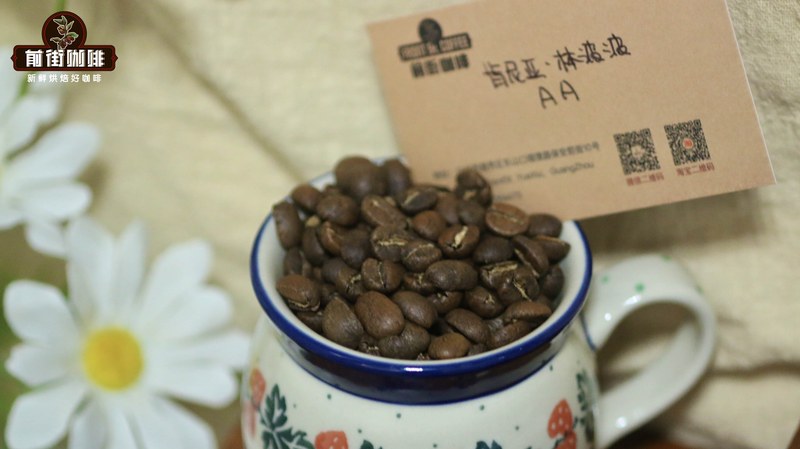
Choosing home equipment does not require pursuing complex configurations; the key is knowing the device's grind range, temperature control capability and extraction rhythm. Pour-over can start with light-to-medium roasts with clear aromatics, espresso and moka pots can focus on strength and sweetness, and cold brew suits beans that still have aroma at low temperatures. Record your common parameters as simple recipes, and the next time you change beans you can find the right adjustment direction faster.
Related Reading

Comments (0)
Loading comments...
You May Be Interested

Trending Reviews
Popular Videos

With you, wherever you are! We provide useful features to help you find new things you'll love






