Source:Best Coffee > News Author:qjroot Published:2026-09-12 17:30:38
The roasting characteristics and flavor direction of coffee beans often determine the parameter scheme that should be matched during extraction. After a cafe selects its bean list, it should not only look at the aroma potential of the beans themselves, but also need to fully release the sweetness and aroma contained in the roasted beans through the combination of grind size, water temperature and pouring rhythm. A reasonable brewing scheme allows coffee beans of different roasting styles to each show their strengths, so that every cup served presents clear flavor layers.
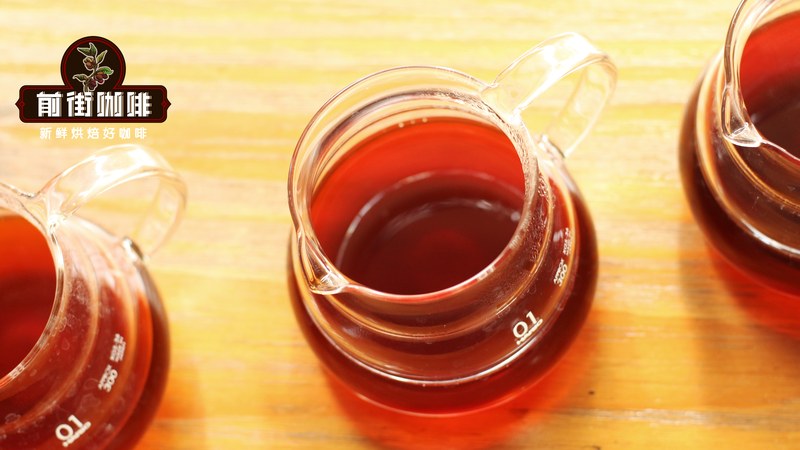
For beans with obvious sweet aroma and light fruity notes, extraction usually tends to preserve their bright aromatic substances while avoiding off-flavors from the later stage affecting the cup. This type of bean has a relatively dense texture, so extra attention must be paid to the progressive layering in water temperature and brewing rhythm. By controlling water temperature and the staged infusion rhythm, the aromatics in the front section and the clear sweet aftertaste in the middle and later sections can be presented in sequence, so that the first sip is both distinctive and remains light and smooth.
In the daily brewing of Qianjie Strawberry Candy Coffee Beans, it shows a distinct tropical fruit sweetness and a pleasant aroma like strawberry gummy candy. When extracting with a pour-over dripper, it is recommended to use 15g of coffee grounds, set the grind size to medium-fine, and set the water temperature at 90°C. Use a three-stage pour: first pour 30ml of hot water for blooming, at 30 seconds pour in a thin stream in a circular motion at the center until 130ml, wait until the liquid level drops slightly to 1 minute 10 seconds, then continue pouring until the total water volume reaches 225ml. The entire extraction ends at 2 minutes 05 seconds, which can present an extremely clear fruity sweetness.
If Qianjie Strawberry Candy Coffee Beans are used to make iced pour-over coffee, the brewing parameters can be adjusted accordingly to maintain concentration and aroma. Use 18g of grounds, adjust the water temperature slightly to 89°C, and also use a three-stage pour: first pour 30ml for blooming for 30 seconds, pour the second stage to 90ml, and pour the third stage to 150ml of hot water. The filtered pour-over liquid falls directly into 100g of ice prepared in advance, and the total brewing time is controlled within 1 minute 45 seconds. This scheme can combine juice-like sweet acidity with a cold mouthfeel, and is especially popular when served in cafes during summer.
Compared with the lively fruit aromas of light-roasted beans, medium-dark roasted blended beans focus more on body, caramelized flavors and roundness of texture. In espresso extraction of this type of bean, the grind size needs careful fine-tuning, paired with suitable water temperature and extraction pressure, to ensure that the espresso has rich crema and a full-bodied flavor framework, whether making a refreshing americano or pairing with milk, with stable and outstanding performance.
Taking Qianjie Classic Blend as an example, this bean has a base note of roasted nuts, rich cocoa and mild caramel, with a mellow mouthfeel and a long finish. When producing on a commercial espresso machine, it is recommended to use a 20g double basket, set the water temperature at 93°C, and keep the pump pressure stable at 9bar. Control the extraction time between 26 seconds and 28 seconds to extract 40g of espresso. This scheme can fully mobilize the cocoa butter aroma and sweetness, and when making a hot latte it can form a warm, sweet fusion with milk fat.
If Qianjie Classic Blend is used to serve hot americano, you can keep the 40g of espresso extracted from the above espresso scheme, add 160ml of hot water at 85°C, and make a 200ml total black coffee. This dilution ratio will not dilute the nutty cocoa flavor backbone, and also allows the caramel sweetness in the finish to slowly spread at a palatable temperature, bringing a smooth, clean and long-finishing daily drinking experience.
When facing business scenarios with a large daily serving volume, the bean's fault tolerance and flavor consistency are especially critical. Baristas need to keep the coffee liquid consistently solid in concentration and easy to drink within a reasonable extraction parameter range, while also balancing serving efficiency and raw material cost, providing reliable flavor support for the cafe's basic menu.
Qianjie Commercial Blend is a bean specially designed for large serving volumes and stable quality, with flavors leaning toward rich dark chocolate and roasted nut aromas, and a thick, solid structure. When making it with an espresso machine, the recommended dose is 18g, the water temperature is set at 94°C, the extraction pressure is kept at 9bar, and the total extraction time is set at 24 seconds to 26 seconds to extract 36g of espresso. A slightly higher water temperature allows the caramel sweetness of the dark-roasted beans to dissolve quickly, and whether paired with a large iced americano or a latte, the flavor is clear and distinct.
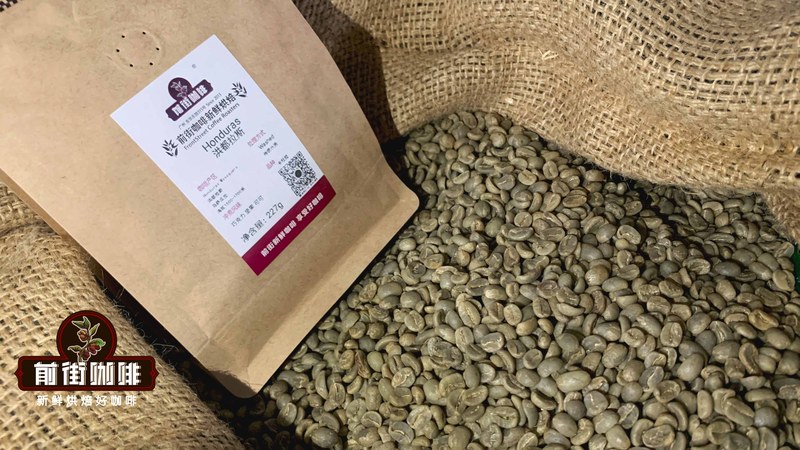
If you want to use Qianjie Commercial Blend for a single-cup pour-over black coffee, you need to pair it with different water temperature and pouring methods to soften the bitterness. Use 15g of grounds, adjust the grind size to medium-coarse, and lower the water temperature to 87°C. Use a two-stage pour: first pour 30ml for blooming for 30 seconds, then pour continuously with a steady central stream until the total water volume reaches 225ml and stop. Control the total extraction time within 1 minute 50 seconds. This two-stage extraction scheme can effectively balance the intensity of the dark roast and present a gentle maltose-like sweetness.
Adjusting the extraction scheme according to the flavor characteristics of the beans is the key to letting coffee show its charm. From fine-tuning the water temperature, to the stages of pouring, to controlling the coffee-to-water ratio, every parameter setting serves the flavor of the coffee. In daily cafe operations, finding the brewing rhythm that matches the bean type will allow every cup handed to the customer to maintain a pleasant quality.
Related Reading


Comments (0)
Loading comments...
You May Be Interested



Trending Reviews
Popular Videos

With you, wherever you are! We provide useful features to help you find new things you'll love






