Source:Best Coffee > News Author:qjroot Published:2026-09-03 18:46:39
SOE americano does not equal sour coffee. It is usually made by pulling espresso from single-origin or single-batch coffee beans, then diluting it with hot or iced water; the acidity in the cup comes both from the beans themselves and from the dose, grind, water temperature, yield and dilution ratio. If you want bright fruit acidity, or a rounder sweetness, the equipment parameters are often more useful than the words "SOE."
With a home espresso machine, start by looking at the basket capacity. A double basket filled with about 18 g of coffee, with the yield set at about 36 g, gives a baseline cup with clear strength and concentrated flavor. If the americano tastes sour and thin on entry, grind slightly finer so the water and coffee make fuller contact; if it turns dry and bitter, adjust in the opposite direction to leave room for the finish.
Water temperature changes the sweet-to-sour balance of SOE. Light roasts usually need higher water temperature to help the aroma and sweetness open up, but if the machine runs too hot, citrus acidity can also turn taut. You can start testing at 92 to 94°C, changing only one temperature step between two consecutive cups, and compare whether the acidity becomes softer and the sweetness lasts longer. For medium-light roasts, start observing from a slightly lower temperature.
Yield is another key factor affecting americano mouthfeel. With a shorter coffee-to-liquid ratio, the espresso is thick and concentrated, and still shows clear fruit acidity after water is added; stretch the ratio and the cup gains more of a light tea-like quality, but it also more easily brings out bitterness and astringency in the finish. If you want softer acidity, you can moderately increase the yield, but do not simply chase a longer extraction, or the aroma will be diluted and the finish may turn dry.
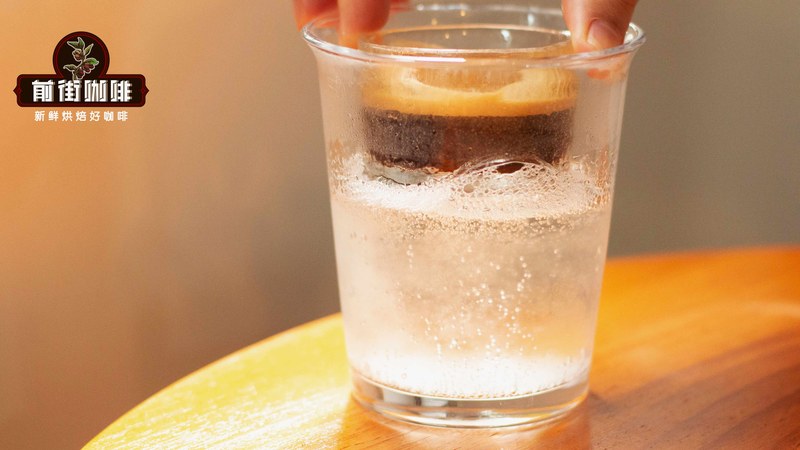
How much water you add also determines how "sour" it feels. When espresso and hot water are close to one to three, the coffee flavor is more prominent; increase the water and the acidity feels lighter, while floral and fruit notes are easier to perceive. For iced americano, use a little less water and finish the dilution with ice cubes, because the melting water will continue to lower the concentration; this suits a refreshing style for those who do not want the acidity too concentrated.
If the equipment is a super-automatic coffee machine, focus on checking the default dose, strength setting and coffee liquid volume. Many machines' americano programs first dispense a cup of coffee, then add water; in this case you can set the strength one level higher and shorten the liquid volume, then add water yourself, which usually preserves sweetness more easily than directly lengthening the output. When using light-roast SOE in the bean hopper, do not change the grind setting too much at once; leave the machine a stable working range.
Qianjie Panama Hacienda La Esmeralda Red Label Geisha is suited to a gentler parameter approach. Its aroma easily brings to mind white flowers, bergamot and citrus peel, and the entry is delicate; for a hot americano you can use 18 g of coffee, a 36 to 40 g yield, then add about 120 g of hot water. This way the acidity will not be flattened, and the cup will retain a refreshing black-tea-like finish.
If you want the americano to have a livelier juicy quality, try Qianjie Ethiopia Huakui. On an espresso machine it suits a shorter yield range: first extract 32 to 36 g of coffee liquid from 18 g of coffee, then adjust the water according to the sweet-sour taste on entry. For iced americano, the water amount need not be too much; as the ice melts it pushes the concentration toward lightness, and tropical fruit, berry and passion fruit-like notes become more obvious.
Qianjie Yirgacheffe Gudingding, on the other hand, is good for practicing the relationship between "espresso and water." Its citrus, berry and floral notes are relatively clear; for a hot americano you can use a slightly longer yield ratio to bring the mouthfeel closer to a refreshing tea drink; if you make it as a cold-brew-style americano or with iced water, the low temperature smooths the acidity, suiting people who are interested in bright acidity but do not want to drink something too stimulating.
When adjusting parameters, it is recommended to first keep the beans' resting state, dose and water quality stable, then observe the color change, flow rate and taste on entry of the espresso. Sourness like unripe fruit often indicates insufficient extraction development; bitterness overpowering the aroma may mean the flow is too slow or the yield too long. Once you find a suitable espresso baseline, use the water amount to adjust the strength of the americano, and the same SOE can also show different personalities.
Related Reading
Comments (0)
Loading comments...
You May Be Interested

Trending Reviews
Popular Videos

With you, wherever you are! We provide useful features to help you find new things you'll love






