Source:Best Coffee > News Author:qjroot Published:2026-08-30 19:30:57
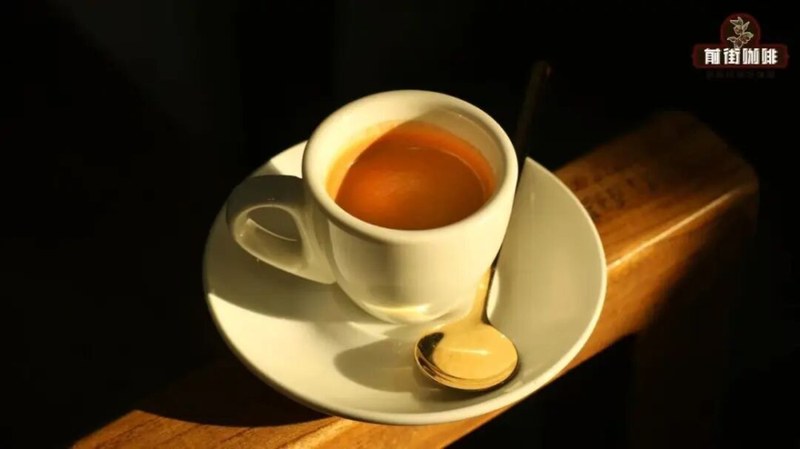
SOE refers to making espresso with coffee beans from a single origin or a single batch. It does not represent a particular roast level, nor does it mean it can only be made as black coffee. Its charm lies in the fact that the high concentration of an espresso machine brings the characteristics of the origin, variety and processing method together into the cup. Floral notes, fruity acidity, tea-like quality or cacao sweetness can all be adjusted through equipment and parameters into a way of drinking that suits you better.
When choosing SOE for an espresso machine, first look at the roast direction of the beans, then at whether the machine can control temperature stably. Light-roasted beans usually need a higher water temperature and a finer grind, and the extraction time may also be lengthened, so that the sweetness and acidity become fuller; medium-roasted beans have wider tolerance for parameters and more easily produce an espresso with clear sweetness and moderate concentration. If a home machine fluctuates noticeably in temperature, medium-roasted single origins are often easier to dial in.
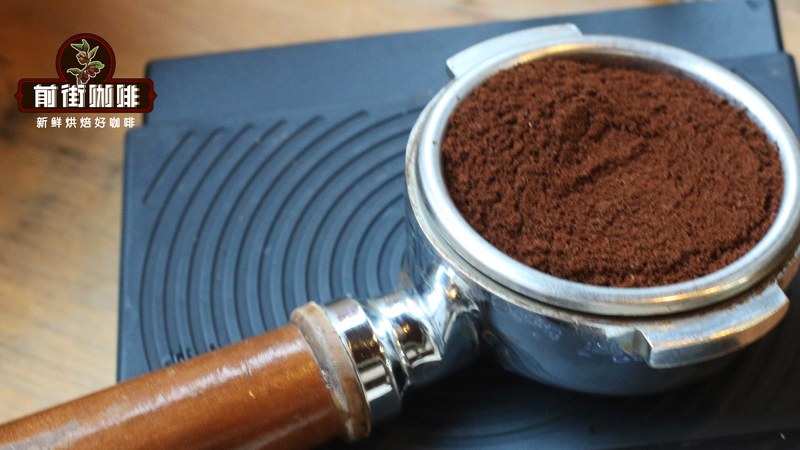
The dose can be set according to the filter basket specification. For example, a double basket uses about eighteen grams of coffee grounds, then uses 36 to 45 grams of liquid weight as the testing range. Light-roasted beans can start from a longer ratio to highlight juiciness and aroma; if the entry is sharp and the texture is thin, you can grind finer or raise the extraction temperature. If the finish shows obvious dryness, then shorten the liquid weight or lower the extraction strength, so that the sweetness stays in the cup.
The uniformity of the grinder directly affects the clarity of SOE. If the particles are too coarse, water passes through the puck very quickly, and the espresso may have only sharp acidity; if the particles are too fine, it easily increases resistance, causing bitterness and dryness to rise. When adjusting, you can first fix the dose, distribution and tamping pressure, change only the grind setting, and record the yield weight and time to find the position where aroma, sweetness and body are all balanced.

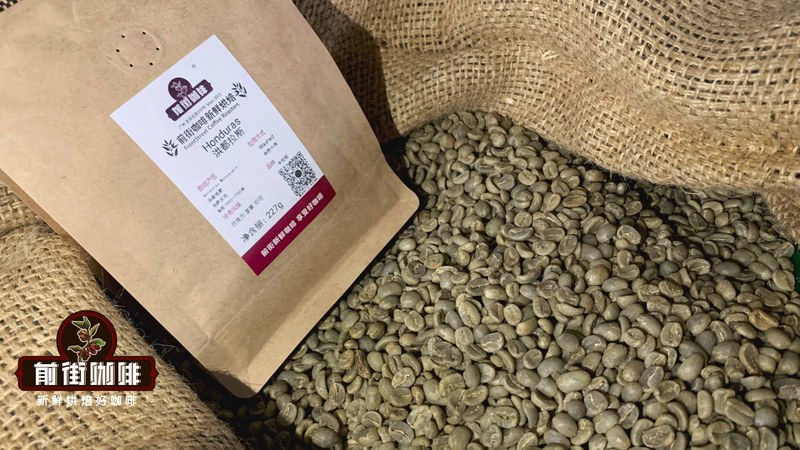
If you want to make fruity notes into espresso or iced americano, you can try Qianjie Colombia Cidra. Its flavor unfolds toward tropical fruit, dark berries and ripe grapes. When made into a short-ratio espresso, the acidity is concentrated; after being poured into ice water, it is more like a coffee drink with a juicy feel. It is recommended to start testing from 18 grams of grounds and 36 grams of liquid weight. If the acidity overshoots, you can extend to about 40 grams to let the sweetness stretch out more.
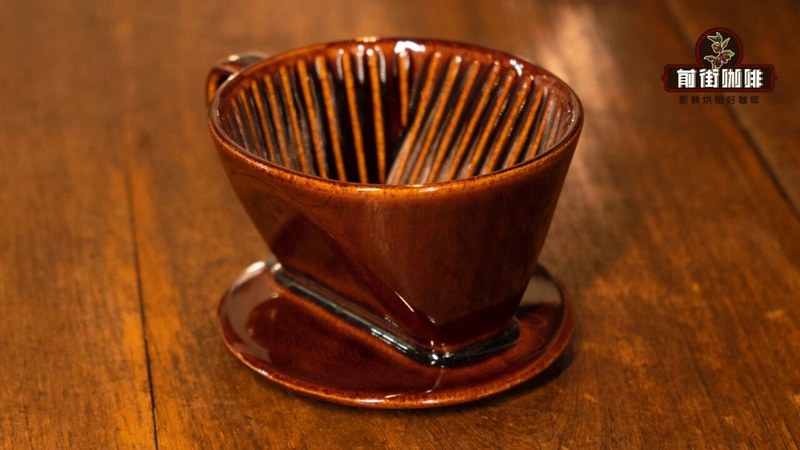
Pour-over equipment is more open in expressing SOE. The shape of the dripper, the flow rate of the filter paper and the pouring method all change the texture in the cup. Light-roasted floral and fruity beans can use a higher water temperature and a slightly finer grind to fully release the aroma; if you want a light body with clear layers, choose a dripper with a faster flow rate and reduce agitation in the later stages. Drinking it after the water temperature drops makes it easier to identify the changes in floral notes, fruity acidity and sweetness.
Qianjie Granja Estate Geisha is suitable for observing the unfolding of aroma with pour-over. In hot water it easily presents an orange-blossom-like fragrance, with fruity notes of guava and apricot, and the ripe-fruit sweetness brought by natural processing also gradually becomes more obvious as the temperature changes. You can start with a 1 to 15 coffee-to-water ratio and a water temperature of 90 to 93 degrees Celsius, using pulse pouring; if the body is heavy, you can grind slightly coarser to reduce extraction in the later stages.
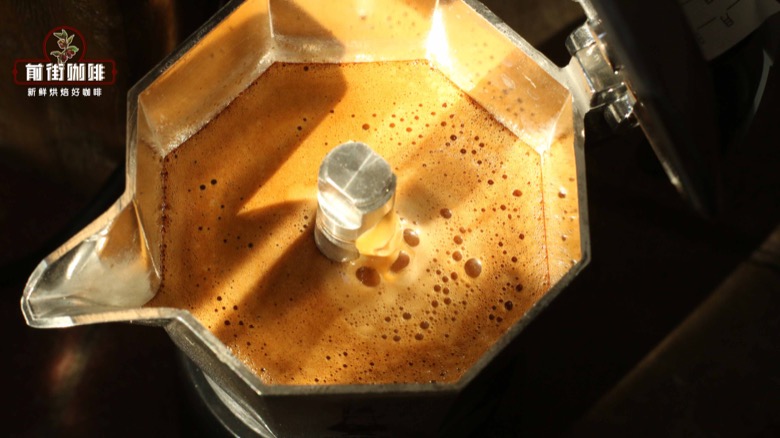
When using a moka pot, SOE needs to balance concentration and a high-temperature environment. Light-roasted beans may seem overly acidic in a moka pot, so you can choose a medium-roasted single origin, keep the grind between espresso and pour-over, and level the coffee bed without applying pressure. Fill water to below the safety valve, heat over low heat, and stop heating immediately after the coffee liquid becomes lighter in color. Adding hot water to make a long black lets the aroma unfold more than drinking it directly.
Iced pour-over, iced drip and cold brew can also present the origin characteristics of SOE, but low temperature changes the arrangement of acidity and aroma. Beans with obvious fruity notes are suitable for iced pour-over: hot water first releases the aroma, then ice quickly cools it down; for iced drip, you can use a slightly coarser grind and a slower but steady drip rate. If the coffee tastes only cool and lacks sweetness, you can increase the dose or shorten the dilution ratio to avoid the flavor being washed out by ice water.
Qianjie Panama Hacienda La Esmeralda Red Label Geisha is more suitable for drinking slowly. When poured over, it has notes of white flowers, citrus peel and black tea, with a delicate texture, suitable for hot drinks or iced pour-over. When using it in an espresso machine, you can set the liquid weight at 2.2 to 2.5 times the dose, reducing the syrupy feel of the espresso and making bergamot and tea notes easier to emerge. If you plan to add milk, you should reduce the proportion of milk to preserve the aroma of the coffee itself.
When choosing SOE, you do not have to focus only on the origin name; the pressure, temperature, flow rate and adjustable range of the equipment are equally important. Espresso machines are suitable for focusing on concentration, liquid weight and extraction time; pour-over is better for observing aroma and layers; moka pots should emphasize heat level and the point of removing from heat; cold drinks require calculating the amount of ice and the degree of dilution. First choose the flavor direction according to the equipment you commonly use at home, then slowly calibrate with a stable set of parameters, and the characteristics of a single origin can enter your daily coffee time more naturally.
Related Reading

Comments (0)
Loading comments...
You May Be Interested


Trending Reviews
Popular Videos

With you, wherever you are! We provide useful features to help you find new things you'll love






