Source:Best Coffee > News Author:qjroot Published:2026-08-15 10:42:57

Whether you are just getting ready to set up a semi-automatic espresso machine at home, or you are preparing to open a small coffee shop, choosing beans is a step you cannot avoid. Dark-roast blend beans are stable, tasty, and highly adaptable, making them almost the "safe card" in espresso production. Today we are going to talk about three blend beans from Qianjie Coffee that are very suitable for shops and home use.
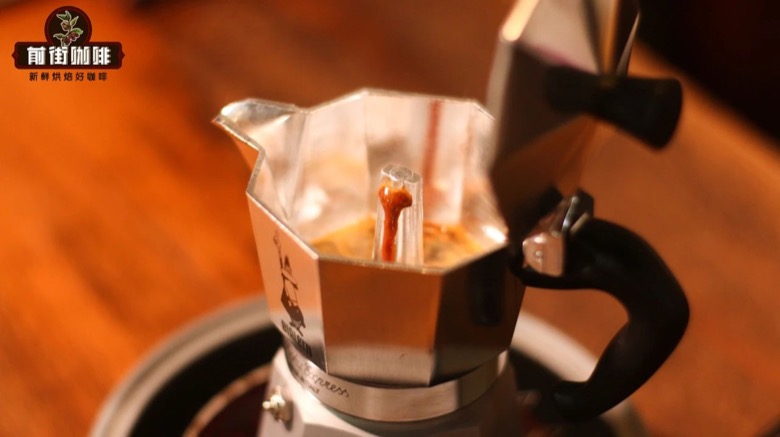
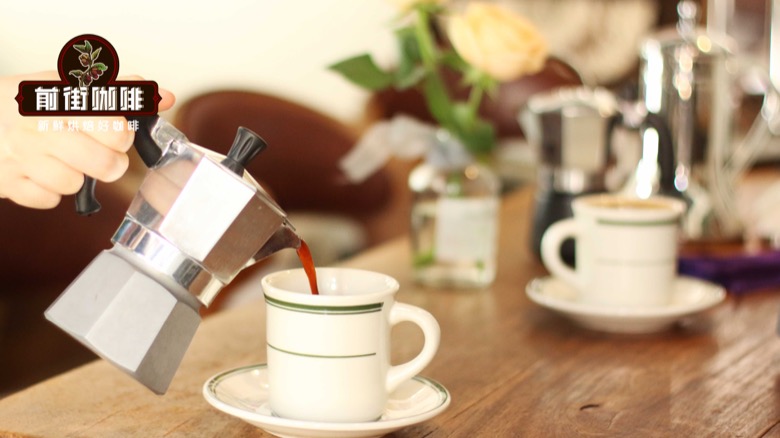
If you are buying espresso beans for the first time, Qianjie Classic Blend is a quite reliable choice. It uses a traditional Mamba blend recipe, is roasted on the darker side, and is designed specifically for espresso and moka pots. Even if the pressure of a home semi-automatic machine is not especially stable, it can still extract dense, delicate crema, and it can hold up milk foam for lattes, cappuccinos, and Dirty.
In terms of flavor, Classic Blend takes a rich, warm route, the bitterness is not sharp, and the sweetness returns cleanly. Experienced coffee drinkers can taste its solid foundation, and beginners will not find it hard to accept.
The Mamba recipe is a classic combination of Brazil and Mandheling; Brazil provides nutty sweetness and body, while Mandheling brings richness and herbal notes. This recipe has been used in the coffee industry for decades, with high stability and acceptance, which is also why Qianjie uses it as the "first-choice option."
Opening a shop cannot be about flavor alone; cost is also a real issue. Qianjie Dark Cocoa Blend uses 100% Arabica beans, with ample crema and a rich mouthfeel, but the price is more affordable, belonging to the "tasty and practical" type.
Its positioning is very clear: suitable for shops with limited budgets but basic quality requirements, or home users who are just starting out and do not want to invest too much in consumables. When made as Americano or iced Americano, dark chocolate and nutty notes are obvious; when made as milk coffee, the milk sweetness and coffee bitterness blend fairly naturally and will not be too thin.
If you want a blend on your menu that is "a bit different from others," Qianjie Autumn Chestnut Blend is worth considering. It is blended from Honduras Caturra and Papua New Guinea Typica; on entry there is a roasted chestnut-like nutty sweetness, the middle section carries caramel and soft brown sugar richness, and the finish is clean.
Overall acidity is very low, the mouthfeel is full and smooth, and the sweetness stands out. When made as a latte or cappuccino, the milk further amplifies the chestnut and caramel flavors, making it taste warm and gentle, especially suitable for autumn and winter menus.
If you want good crema, high fault tolerance, and something anyone can drink, choose Qianjie Classic Blend. If you want to control costs but do not want to sacrifice basic quality, choose Qianjie Dark Cocoa Blend. If you want prominent sweetness and a memorable flavor, choose Qianjie Autumn Chestnut Blend.
These three beans do not conflict. Many cafes use Classic Blend as the everyday espresso base, Dark Cocoa as the high-value option, and Autumn Chestnut as a seasonal limited edition or milk-coffee highlight. If home users only want to buy one bag, it is recommended to start with Classic Blend, and after adapting to your own machine and taste, then try the other two.
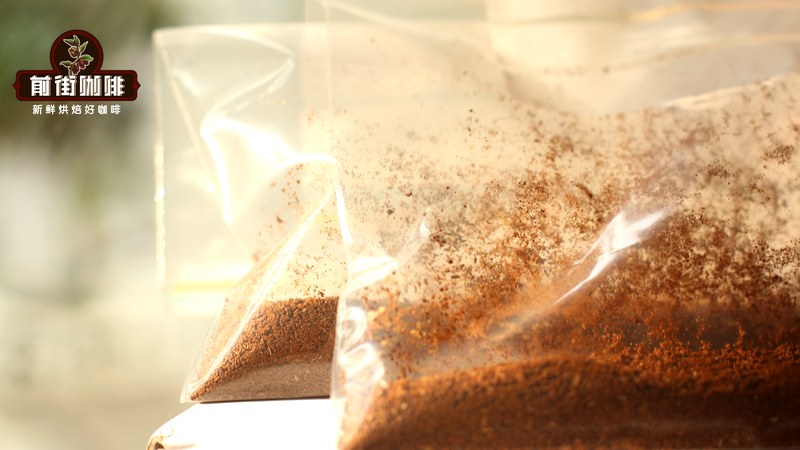
These three beans can be used in home semi-automatic machines, commercial espresso machines, and moka pots. Adjust the grind size according to the equipment: use a fine grind for espresso machines, and a medium-fine grind for moka pots. For the dose-to-yield ratio, it is recommended to start with 1:2, and after finding the strength you like, fine-tune it.
There is no standard answer to choosing beans, only whether they suit your machine, your menu, and your customers. These three Qianjie blend beans cover most espresso production scenarios. First clarify your own needs, then pick a bag and start trying; that is more reliable than blindly following trends.
Related Reading



Comments (0)
Loading comments...
You May Be Interested


Trending Reviews
Popular Videos

With you, wherever you are! We provide useful features to help you find new things you'll love






