Source:Best Coffee > News Author:qjroot Published:2026-08-20 14:32:59
Espresso blend coffee beans are an art of balance. Beans from different origins are mixed in carefully designed proportions, letting each bean's flavor characteristics play their own role, ultimately presenting a rich, layered, and rounded espresso. Understanding the structure of a blend helps you make a choice that better suits your own taste when selecting espresso beans.
Brazilian beans are the base choice for most espresso blends. Brazilian beans grow at lower altitudes, with processing methods mainly semi-washed and natural, and carry rich nutty, chocolate, and caramel notes in flavor, with mild acidity and high body. As a blend base, Brazilian beans provide the main framework of the espresso - that solid sweetness reminiscent of roasted nuts and dark chocolate. In a blend, Brazilian beans usually account for 40% to 60%, ensuring the overall flavor is stable and friendly to milk.

Colombian beans play the role of balancer in a blend. Its flavor sits between the richness of Brazil and the brightness of Ethiopia, with caramel sweetness and soft fruit acidity, and a clean, rounded mouthfeel. Adding Colombian beans makes the blend's layers more three-dimensional, filling the acidity gap left by Brazilian beans. In many classic blends, Colombia accounts for 20% to 30%, serving as a transitional link that connects what comes before and after.
Mandheling injects richness and distinctiveness into a blend. Mandheling from Sumatra, Indonesia, is processed with the wet-hulled method, and its flavor carries deep notes of herbs, wood, and dark chocolate, with a body that stands out notably among all origins. Adding 10% to 20% Mandheling makes the blend's body fuller and the finish more lasting, especially suitable for milk coffee - the rich espresso will not lose its coffee presence when combined with milk.
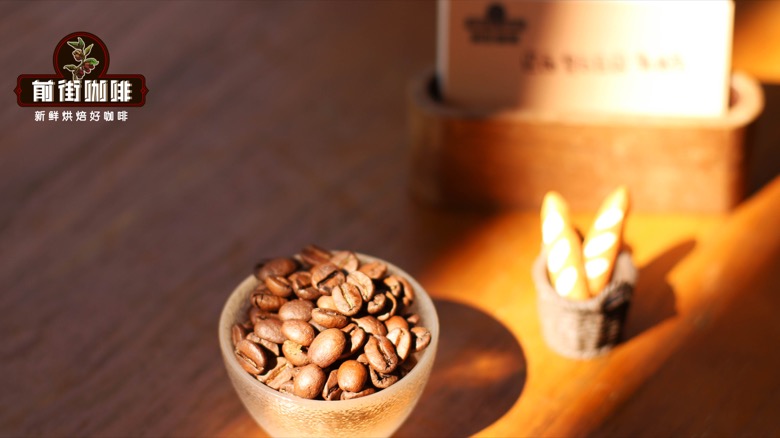
Ethiopian beans are the aroma-boosting contributor in a blend. As the birthplace of coffee, Ethiopian beans are known for bright citrus, jasmine, and berry aromas. Adding a small amount (5% to 15%) of Ethiopian beans to a blend adds a layer of lively floral and fruity aroma to the whole, giving the espresso a light, leaping quality atop the rich base. This aroma-boosting technique is especially common in medium-light roasted blends and suits drinkers who like rich, layered flavors.
Different ratios bring completely different flavor directions. The classic ratio dominated by Brazil (Brazil 60% plus Colombia 25% plus Mandheling 15%) presents rich nutty and chocolate notes and is an ideal base for lattes and flat whites; a ratio with an increased proportion of Ethiopia makes the espresso brighter and more lively, suitable for Americanos or drinking directly. Understanding the role of each bean in the blend structure lets you choose the corresponding blend plan according to the way you like to drink it when selecting, making every cup of espresso just right.
Related Reading




Comments (0)
Loading comments...
You May Be Interested




Trending Reviews
Popular Videos

With you, wherever you are! We provide useful features to help you find new things you'll love






