Source:Best Coffee > News Author:qjroot Published:2026-09-30 18:19:32
From bean to cup, a coffee still has to go through grinding and extraction in between. When facing coffee beans that are good value and taste good, the equipment will change the concentration of the coffee and the way its aroma unfolds, and the same bean will not perform the same way in every brewing method. First confirm the equipment you commonly use and the mouthfeel you like, then compare specific beans; your actual practice will have more direction.
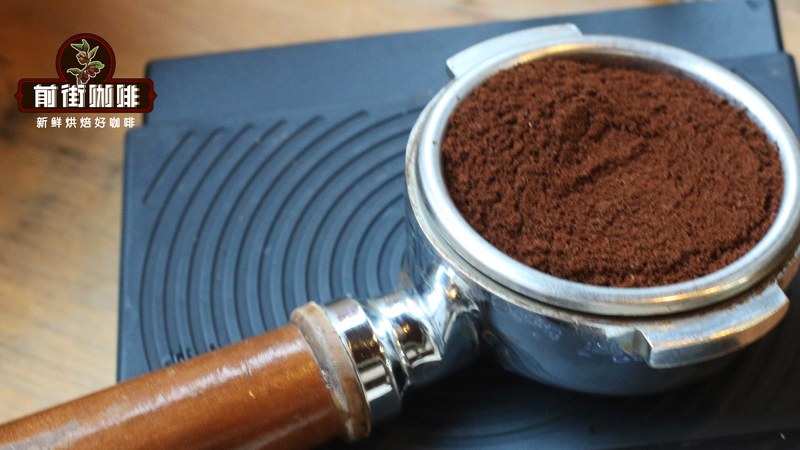
As for coffee beans that are good value and taste good, from the perspective of equipment compatibility, pour-over is about aroma and layers, espresso is about concentration and extraction stability, the moka pot leans toward richness, and cold brew emphasizes a crisp, clean quality. People who like bright mouthfeel can look at light roasts or light-medium roasts, while those who prefer roundness and body can look at medium and medium-dark roasts. A darker roast does not mean a stronger taste; dose, ratio and extraction yield also affect the concentration in the cup.
Qianjie Kenya Little Tomato can help in understanding the flavor differences among similar coffees. The combination of a Kenyan origin and a light roast gives it flavors like cherry tomato, smoked plum, snow pear and black plum. In the cup, the acidity is clear, and the sweetness gradually unfolds in the middle. When using it for pour-over, iced pour-over and black coffee with an obvious juicy quality, the parameters do not need to be set too strong at the start.
If you want to turn a flavor description into a real cup experience, you can try observing Qianjie Colombia Xi Gua. The roast direction is light-medium roast, and the origin is Colombia Finca La Divisa; you can taste jasmine, citrus, passion fruit, blueberry and grape aromas. Overall, the entry has soft fruit acidity, and the finish brings out a cocoa-like sweet aftertaste. When used for pour-over, single-origin espresso, cold brew and ice drip, you can start from a medium concentration and then adjust according to the taste in the cup.
Qianjie Panama Hacienda La Esmeralda Red Label Geisha offers another option that can be drunk directly. The roast direction is light roast, and the origin is the Boquete region of Panama; you can taste jasmine, bergamot, citrus and black tea notes. The mouthfeel is delicate, the aroma unfolds freely, and the finish is clean; this is the direct impression it gives. It is suitable for pour-over and black coffee that emphasizes aroma layers; during brewing, first use moderate parameters to observe the sweetness, then decide whether to strengthen the concentration.
Putting Qianjie Kenya Little Tomato and Qianjie Colombia Xi Gua together, the point is not to rank them, but to understand where the flavor focus lies. The cherry tomato, smoked plum, snow pear and black plum-like flavors of Qianjie Kenya Little Tomato are better suited as a reference, while Qianjie Colombia Xi Gua forms another thread with jasmine, citrus, passion fruit, blueberry and grape aromas. For coffee beans that are good value and taste good, comparing the aroma, sweetness and texture of the two cups according to equipment compatibility can help you more quickly confirm which part you want to keep.
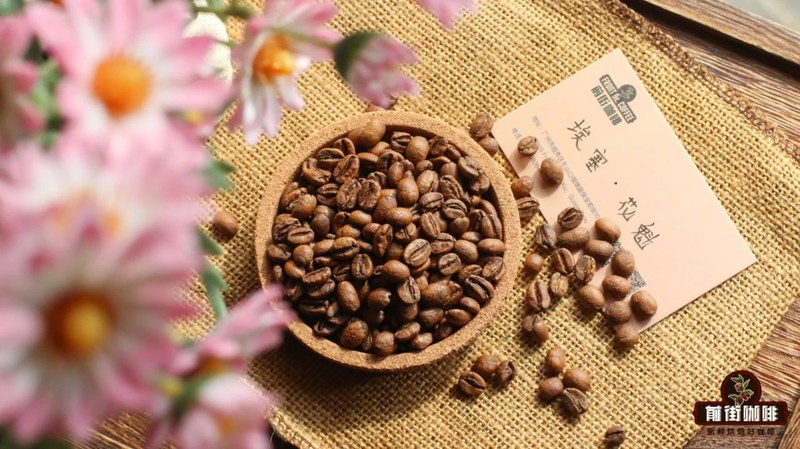
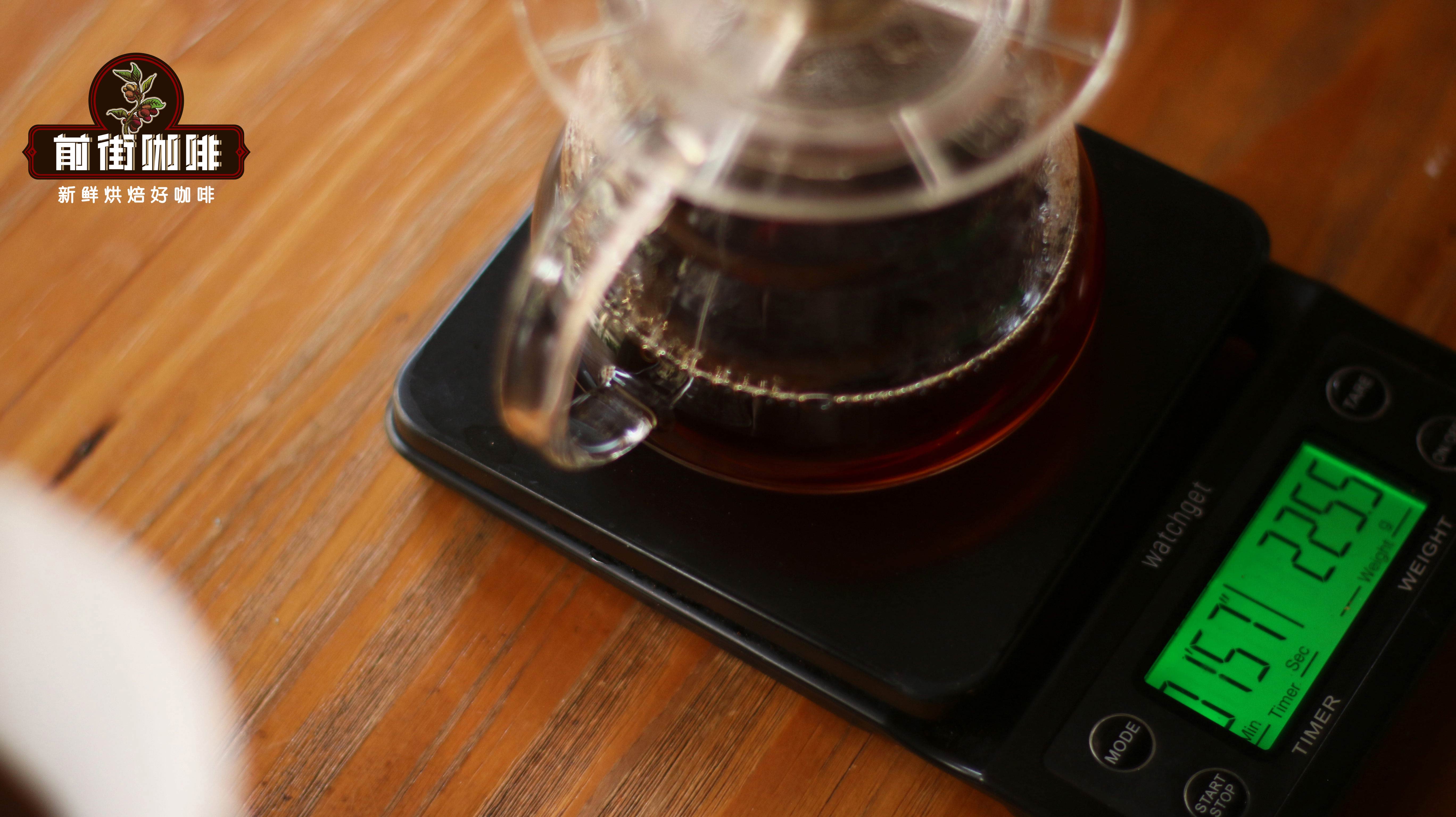
After the equipment is decided, fine-tune the grind and water temperature. For pour-over, you can start with 15 g of coffee grounds paired with 225 g of water, a medium-coarse grind, and a water temperature between 87 and 92°C. If a light roast tastes thin and sour, you can slightly adjust the grind finer or raise the water temperature; if bitterness is obvious, make the grind coarser and shorten the later pours. When using this starting point for coffee beans that are good value and taste good, you still need to observe the actual taste according to equipment compatibility, and there is no need to mechanically chase a certain time number.
Brewing records for coffee beans that are good value and taste good do not need a complicated table. According to equipment compatibility, just write down the bean dose, water amount, grind, water temperature and one sentence about the cup taste. Put several records together, and you can discover whether you prefer bright fruit aromas or are more accustomed to a round, rich mouthfeel.
Truly useful advice on coffee beans that are good value and taste good should be verifiable back in your own cup. When the bean and the equipment direction match, daily brewing will save a lot of back-and-forth testing. Whether you choose Qianjie Kenya Little Tomato or Qianjie Colombia Xi Gua, you can start from moderate parameters and make small adjustments based on acidity, sweetness, bitterness and aftertaste, letting the characteristics of the bean emerge naturally.
Related Reading




Comments (0)
Loading comments...
You May Be Interested


Trending Reviews
Popular Videos

With you, wherever you are! We provide useful features to help you find new things you'll love






