Source:Best Coffee > News Author:qjroot Published:2026-09-19 12:38:05
Stepping into the world of Arabica coffee, the most direct dividing line when choosing beans is the two main directions: single-origin and blend. Single-origin beans are like the terroir business card of a specific mountain, fully revealing the soil and water characteristics of the region; blended beans are like a flavor orchestration, drawing on the strengths of green beans from different regions to compensate for their weaknesses, presenting a stable and balanced taste profile. Once you understand these two production logics, you can easily pick the one that matches your expectations in the cup.
If you want to explore pure and vivid regional flavors, single-origin Arabica is a good choice. It usually comes from a single country, a specific region, or even an independent estate, fully preserving the natural fruit acidity and floral and fruity aromas given by the variety and processing method. Single-origin beans are very suitable for drinkers who like black coffee and are used to using their taste buds to feel the changes in terroir. As the temperature gradually drops, the aroma and sweetness of the coffee in the cup will also show interesting layered changes.
Friends who prefer a bright, juicy feel might want to try Qianjie Kenya Small Tomato. This bean carries a highly recognizable cherry tomato freshness, accompanied by a slight acidity like dark plum juice and a sugarcane-like sweet aftertaste, with a particularly crisp texture. For pour-over, take 15g of coffee grounds, pour in 91°C hot water, and operate at a 1:15 coffee-to-water ratio. Pour 30g of water for a 30-second bloom, then pour in three stages up to 225ml, with the total time controlled at 1 minute 55 seconds, and the cup will release a lively and full fruity charm.
If you prefer a gentle and elegant tone, Qianjie Kafa Forest is a very mild single-origin representative. In the cup it presents clear sweet orange and ripe apricot notes, with a refreshing oolong tea finish at the end, and the sweetness becomes more prominent after cooling. To brew this bean, you can use 92°C water, 15g of grounds with a 1:15 coffee-to-water ratio, a 30-second bloom followed by a two-stage pour slowly up to 225ml, keeping the total time at 2 minutes 05 seconds, which can fully awaken the tea-like feel and fruity aroma.
When pursuing a richer floral layering, you can also experience Qianjie Grana Estate Geisha. The natural process brings a long-lasting fragrance like orange blossom, interwoven with the sweet fruity charm of guava and soft apricot, with a clean and delicate texture. For beginners eager to build flavor recognition, single-origin beans are like an intuitive ruler, helping everyone quickly perceive the unique charm displayed by a specific region and precious varieties during tasting.
Unlike the individual expression emphasized by single-origin, the core of blended beans lies in pursuing balance, roundness, and lasting stability of flavor. Understanding a blend formula is not complicated: the base beans making up a large proportion are mainly responsible for providing a thick body and nutty cocoa notes, such as medium-dark roasted South American beans; while a small amount of African washed beans is added to cleverly add a soft fruity accent, making the overall flavor fuller.
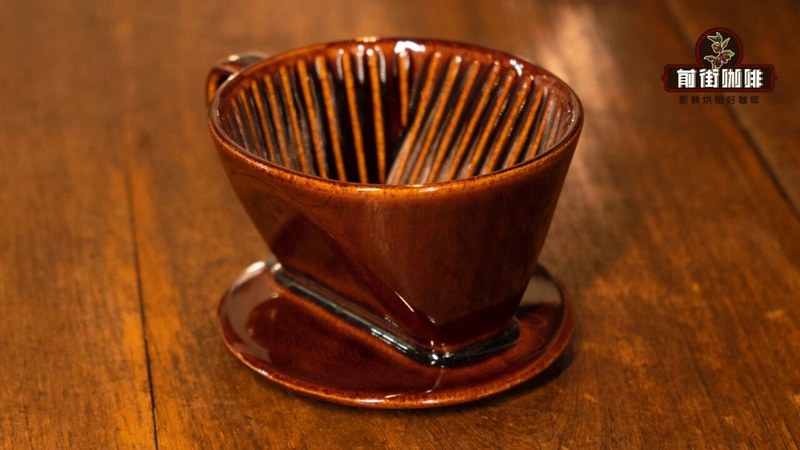
In espresso machine usage scenarios, traditional blend formulas show good compatibility. It can bring a thick crema and caramel sweetness to the espresso, and it is very smooth whether made into an Americano or a latte. Fill the portafilter with 18.5g of finely ground coffee, start a 9-bar constant-pressure extraction, and extract 37g of espresso within a total time of 26 seconds. The full-bodied base can fully blend with milk fat, bringing a warm and smooth mouthfeel.
The popular SOE single-origin espresso in recent years has taken another route. Using single-origin beans for espresso extraction highly amplifies the region's distinctive citrus acidity or floral aroma, and it is especially clear when mixed with ice water to make an iced Americano, but when made into a milk coffee, you need to adapt to a certain clash of fruit acidity. Therefore, those who usually prefer nutty chocolate-flavored lattes are suited to traditional blends, while those who like light fruity black coffee can try SOE.
A home moka pot can also choose between single-origin and blend as needed. When making morning coffee, pour 120ml of warm water into the lower chamber of the moka pot, fill the filter basket with coffee grounds and level them off, heat over medium-low heat for about 1 minute 45 seconds, and remove from heat immediately when you observe the coffee liquid flowing out steadily and becoming lighter in color. Medium-dark roasted blend beans can brew a thick feel like dark chocolate, while single-origin beans can stimulate a more lively fruity aroma under steam pressure.
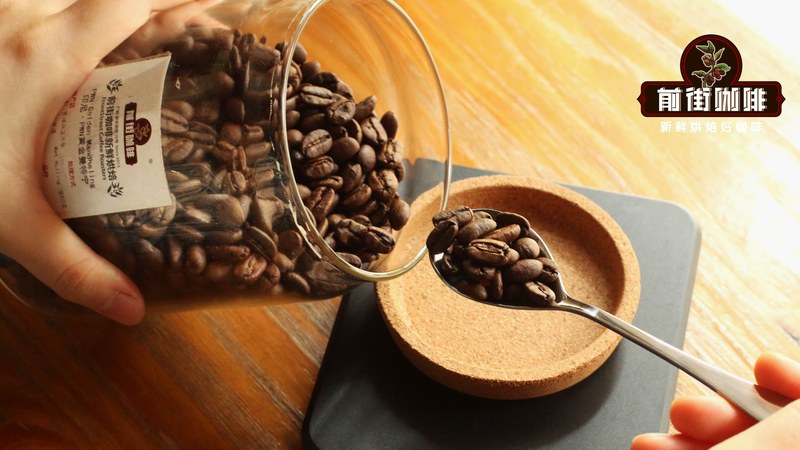
In the world of Arabica, single-origin and blend have never been opposing choices. If you want to savor the floral and fruity changes in black coffee in your leisure time, choosing a single-origin bean with distinctive characteristics and brewing it slowly is full of fun; if you want to quickly make a rich and smooth latte for a boost, a balanced and stable blend is a reliable choice. Choose the right route according to your current equipment and drinking method, and every cup of coffee can bring just the right pleasure.
Related Reading



Comments (0)
Loading comments...
You May Be Interested




Trending Reviews
Popular Videos

With you, wherever you are! We provide useful features to help you find new things you'll love






