Source:Best Coffee > News Author:qjroot Published:2026-08-30 19:27:22
Even with the same espresso, Italian-style blends tend to concentrate base flavors like nuts, cocoa and caramel, while SOE more easily presents the fruit, floral or tea notes of a specific origin. What truly influences the choice is not just which flavor you like, but also the coffee machine's brewing temperature, pressure stability, grinder settings, and whether you use a single or double basket.
With a home semi-automatic machine, you can first observe whether the group head can stably maintain about 9 bar of pressure and whether the temperature adjustment range is sufficient. Machines with large pressure and temperature fluctuations are usually easier to pair with medium-dark roasted blends, as the sweetness and body of the espresso are easier to establish. Only with stronger machine control should you try light-roasted SOE, as that makes it easier to fully bring out the origin characteristics.
The basket capacity also changes how the beans present. A small basket of around 14 g is suitable for short-ratio espresso, and the richness of blend beans will be more concentrated; an 18 to 20 g basket offers more room for adjustment and is suitable for letting SOE release more acidity, sweetness and aroma. If the edge of the basket easily accumulates grounds, or the distribution is not even enough, choosing a blend with wider tolerance will be less troublesome.
The grinder's fineness adjustment is equally critical. Espresso requires very fine and even particles, and a home grinder with obvious step jumps may find it difficult to dial light-roasted beans to the right state. At this point, medium or medium-dark roasted blends are more likely to find a sweet spot within limited settings. A grinder with stepless adjustment and stable output can explore different extraction ranges of SOE in greater detail.
Parameters can start from 18 g dose, 36 g yield, and around 25 to 30 seconds, but this is only a starting point for observation, not a fixed answer. If a blend tastes heavy but bitter, you can slightly shorten the yield or coarsen the grind; if SOE shows sharp acidity, you can try raising the water temperature a little and slowing the flow rate, giving sweetness and fruit aroma more chance to enter the cup.
Water temperature should be judged together with the roast level. Medium-dark blends can be tested starting around 90 to 92 °C, avoiding too high a temperature pushing the roasted feel too far; light-roasted SOE usually needs a bit more heat, and 93 to 95 °C can be used as a testing range. The actual temperature shown by the machine may differ from the temperature the puck receives, so the acidity, sweetness, bitterness and finish texture on the palate are more worth referencing than the number on the screen.
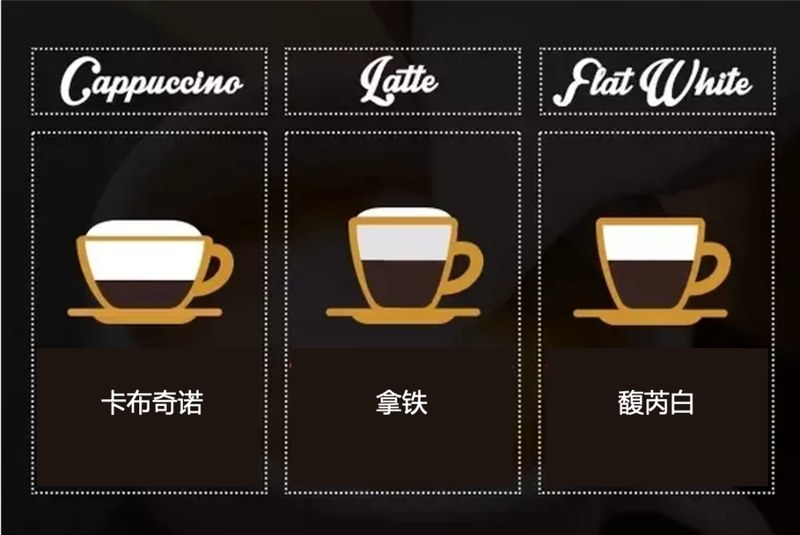
If your daily drinks are mainly lattes and flat whites, milk will reduce the presence of acidity and aroma, and also amplify the demand for body in the espresso. Blends with cocoa, nut and caramel tones can usually leave a clear coffee taste in milk; SOE can also be used for milk drinks, but you should choose types with ample sweetness and soft acidity, and appropriately reduce the milk ratio so the original flavors remain recognizable.
If you like Americanos or drinking espresso directly, you can compare by stretching the yield ratio. Blends often have a full mouthfeel at around 1:2, and can still maintain their core after adding hot water; SOE can be tried at 1:2.2 to 1:2.5, allowing floral and fruity aromas and bright sweetness to open up more. If the cup shows obvious dryness, you should usually first check whether the flow rate is too slow, rather than simply increasing the dose.
Qianjie Colombia Sidra is suitable as an espresso experiment for SOE lovers. In espresso form, it easily shows ripe-fruit-like sweet aroma, and after cooling you can still sense notes like berries and grapes. Using 18 g dose and 36 to 40 g yield, paired with a higher water temperature, it is suitable for a short Americano; if used for a milk drink, it can be shortened to 32 to 34 g to retain more concentrated fruit sweetness.
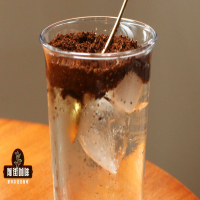
Qianjie Panama Hacienda La Esmeralda Red Label Geisha is more suitable for espresso machines with stable temperature and fine grind adjustment. Its aroma leans toward white flowers, citrus peel and a faint tea note, and when extracted as espresso it should not pursue too high a concentration, otherwise the delicate aroma will be masked by bitterness. Extracting with a longer ratio and then adding a small amount of ice water, or making a refreshing Americano directly, can let its lightness feel more natural.
There is no fixed hierarchy between blends and SOE; the key is whether the equipment can support the cup style you want. If the machine parameters are ordinary and you need to make milk drinks continuously, choosing a blend with solid sweetness is more convenient; if the equipment has a wide adjustment range and you also like to observe aroma changes, you can start with light-roasted SOE. Put basket capacity, grinder capability and drink ratio into the same selection table, and the beans will fit daily use more closely.
Related Reading

Comments (0)
Loading comments...
You May Be Interested

Trending Reviews
Popular Videos

With you, wherever you are! We provide useful features to help you find new things you'll love






