Source:Best Coffee > News Author:qjroot Published:2024-12-10 18:40:13
Recently, according to a report from the Brazilian Coffee Exporters Council (Cecafe), in November Brazil exported a total of 4.662 million bags (60 kg/bag), an increase of 5.4% compared with 4.422 million bags in the same period last year. In terms of revenue, it rose 62.7% from USD 825 million in the same period last year to USD 1.343 billion.
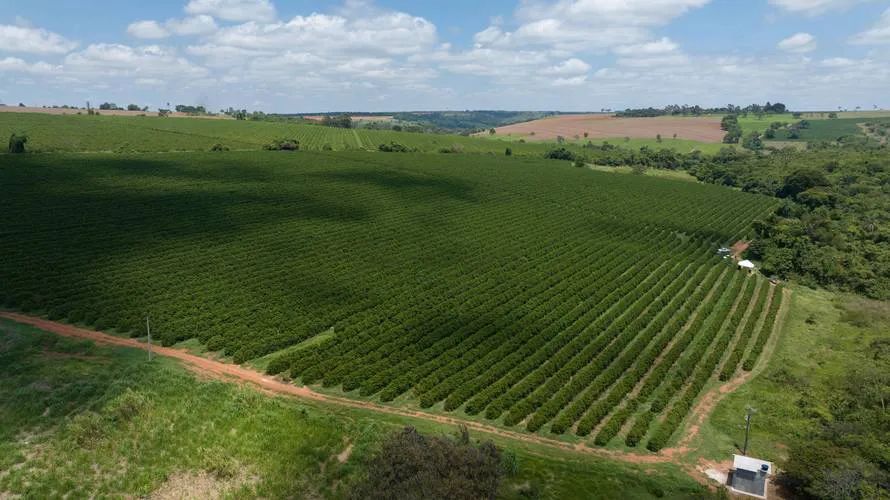
In the first 5 months of the 2024/25 coffee crop year (July to November), Brazilian coffee shipments rose to 22.017 million bags, with a value of USD 5.955 billion, up 16.5% and 61.4% respectively compared with the same period last year. In addition, in the first 11 months of 2024, Brazil's coffee exports had already reached a record 46.399 million bags, exceeding the full-year 2020 coffee export record (44.707 million bags) by 3.78%. And compared with the first 11 months of last year, it also grew by 32.2%.
In terms of export revenue, the performance was even more outstanding. Thanks to the recent rise in coffee prices, in the first 11 months of this year, Brazil's coffee foreign exchange earnings reached USD 11.302 billion, a sharp increase of 56% compared with the first round last year, and up 22.3% from the 2022 record of USD 9.244 billion.

Although Brazil's November coffee export report performed well, compared with October this year, both coffee export volume and revenue declined, mainly due to the rise in international coffee futures, concerns about the economy and the US dollar, and uncertainty about Brazil's future coffee harvest, which made producers more cautious when selling coffee and slowed down Brazilian coffee sales.
In addition, the biggest problem remains the logistics obstacles at Brazilian ports. According to some exporters, they have always been seeking alternatives, such as shipping in bulk, but due to the lack of infrastructure, exporters still bear more than a million in extra costs during the export process, increasing operating costs.
Moreover, Brazilian coffee is currently affected by a strike at ports that is hampering exports. At the end of November, customs auditors of Brazil's Federal Revenue Service began an indefinite nationwide strike demanding salary adjustments. The strike has now lasted more than a week, but there is still no sign of it stopping, and the union representing the auditors, Sindifisco Nacional, said the strike will continue indefinitely.
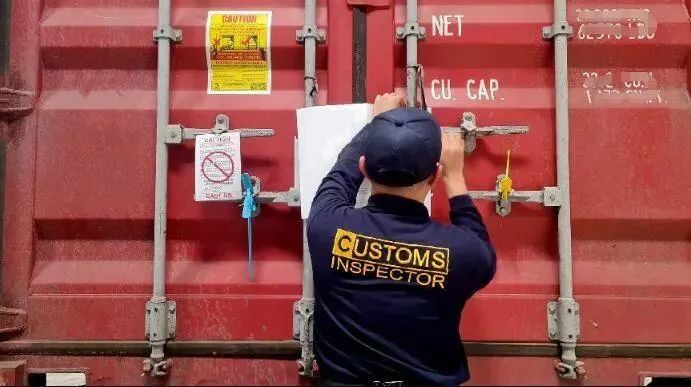
It is reported that the strike was triggered by the failure of the union and the federal government to reach an agreement on corresponding salary adjustments for positions, and since July of this year, actions such as strikes have been mobilized; this strike will be the largest so far. However, according to the union's statement, 30% of employees will continue to work, so customs clearance for live animals, pharmaceuticals, dangerous goods and food will not be interrupted.
But shipping agents, importers, agricultural commodity traders and others are all worried about this strike, because the strike will cause customs clearance delays, interruptions to audits and inspections, increased logistics costs, and affect operating schedules, ultimately affecting cargo transport at ports such as Santos in Brazil.

The executive director of the Maritime Navigation Agencies Union of the State of Sao Paulo (Sindamar) warned that this will severely damage the Brazilian economy. Due to customs clearance delays, container terminals are piling up, causing an imbalance in container supply, which will ultimately affect Brazil's exports of goods. If the strike continues, it will lead to increased costs for storage, container demurrage fees,equipment maintenance, and a decline in market competitiveness, and these additional costs may be passed on to consumers.
At present, even though Brazil reports that coffee exports remain high, because Brazil and Vietnam, the two major coffee-producing countries, have both been affected by severe weather such as drought, resulting in unsatisfactory coffee production and affecting next year's coffee supply, Arabica and Robusta coffee futures prices have been rising continuously in recent times. But the current climate situation is still unstable, and Brazil has also begun to slow down coffee exports due to issues such as prices, inventory and currency exchange rates, so prices will remain at a relatively high level in the short term.
To learn more about coffee origins and related information, please scan the QR code to follow: Kaping
Long-press the QR code to follow:

Related Reading




Comments (0)
Loading comments...
You May Be Interested





Trending Reviews
Popular Videos

With you, wherever you are! We provide useful features to help you find new things you'll love






