Source:Best Coffee > News Author:qjroot Published:2024-11-30 18:36:03
Ethiopia is the most widely known birthplace of the Arabica coffee species and is also the largest coffee exporter in Africa. Its coffee is deeply loved by many coffee enthusiasts for its distinctive floral and citrus notes, and Best Coffee has also listed several of them. However, when buying Ethiopian coffee regularly, you may notice that Ethiopian coffee beans are always of different sizes and shapes. Is that a sign of poor quality?
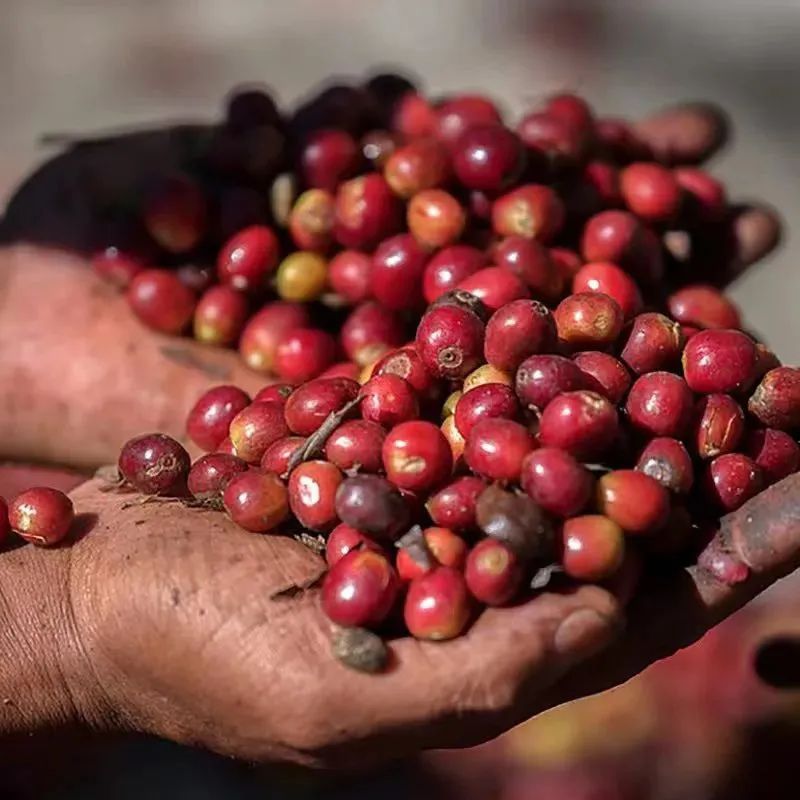
Not at all. This is because there are a great many coffee varieties grown in Ethiopia, with over ten thousand coffee varieties, but most of them are varieties that have not been identified or subdivided. After planting, different coffee varieties produce fruits and coffee beans of somewhat different sizes, hence the uneven sizes.
In Ethiopia, there are mainly 3 ways of growing coffee: garden cultivation, estate cultivation and forest cultivation. Among them, garden cultivation is the most common, and more than half of Ethiopian coffee is produced this way. Coffee farmers plant coffee trees in their own backyards, or mixed together with other crops in farmland, with each household's planting area being less than 4 hectares. When the harvest season comes, after harvesting, the coffee farmers deliver everything to a nearby processing station or cooperative for processing and export.
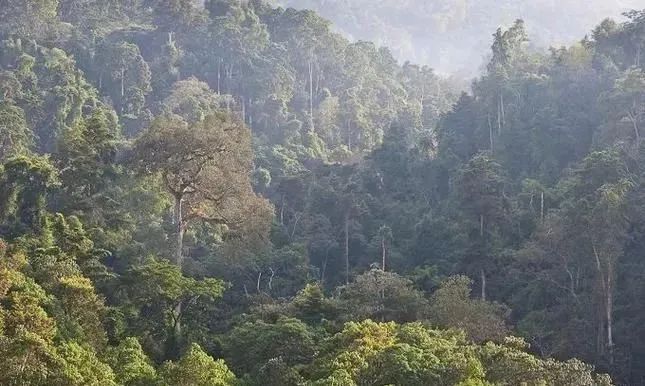
In addition, Ethiopia also has forest cultivation. This method is mainly found in the Kaffa Zone in the southwest, which is where coffee was first discovered. At present, countless wild Arabica coffee mother trees still grow in the Kaffa forest, and this place can be said to be the richest gene pool of Arabica coffee varieties. Around this Kaffa forest, about 30 coffee production cooperatives have been established. When the coffee is ripe, farmers go into the forest to collect coffee cherries, and then sell or export them during processing.
In the garden cultivation method, many coffee farmers find it difficult to identify and separate coffee varieties, and the coffee trees they plant may have been left behind by the previous owner of the land, or shared among neighbours. When the coffee ripens, the processing plant collects coffee cherries from many coffee farmers and combines them into a single lot, which may contain multiple coffee varieties that have not been subdivided. As a result, these coffee beans differ in size and shape, with uneven sizes, and can be called a "blended-type lot".
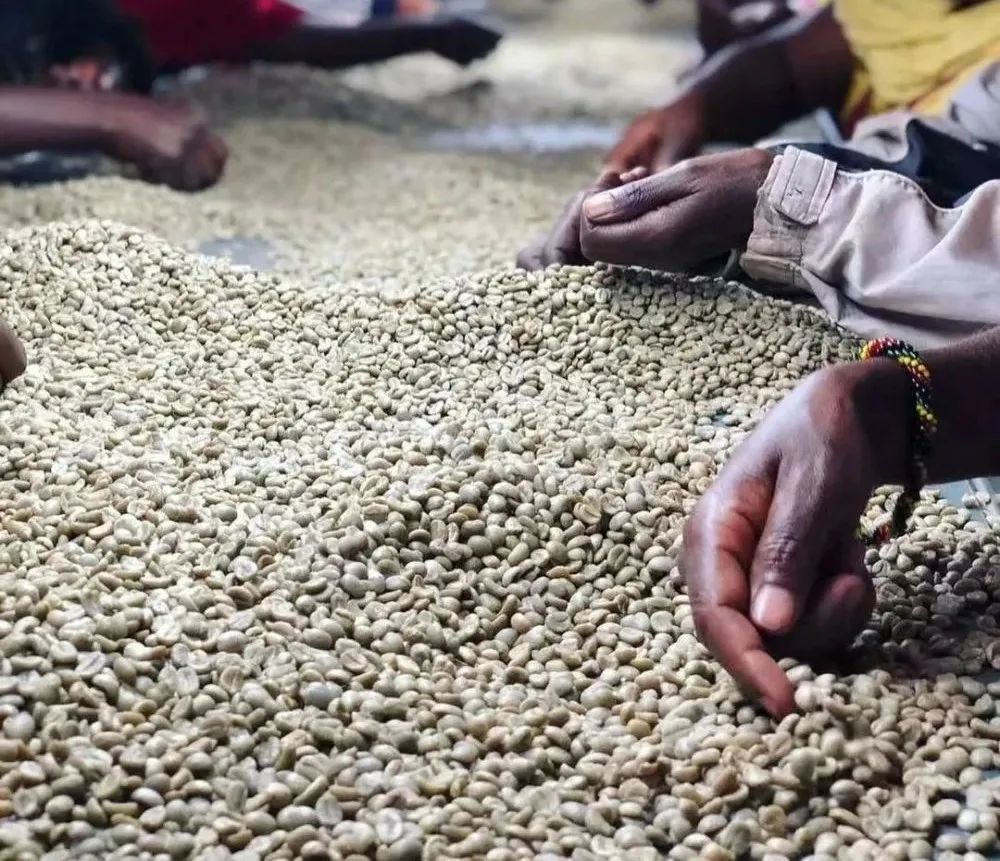
Likewise, the forest model is similar; because forests contain multiple unidentified coffee varieties, farmers also find it hard to identify them at harvest. Therefore, coffee varieties harvested in this mixed way are labeled as "Heirloom."
In addition, because such coffee beans vary in size, Ethiopia grades coffee differently from other countries, which grade by green bean size; instead, it considers only the defect rate of the coffee beans, which means that even the highest grade of coffee beans is allowed to contain small beans under this grading system, and this is the biggest visual difference from other coffee-producing regions.
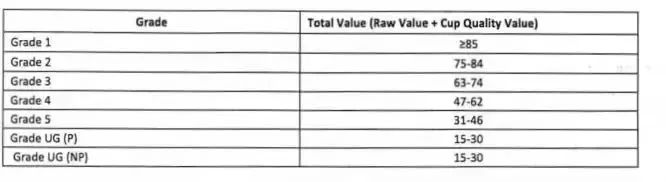
And according to the latest Ethiopian coffee grading system set by the Ethiopia Commodity Exchange (ECX), a 300g coffee bean sample is taken and graded comprehensively by defect count and cupping score, divided into G1-G5 and Grade UG (the UG grade includes two types: with parchment P and without parchment NP), for a total of 6 grades. Even if Ethiopian coffee beans come in different shapes and uneven sizes, this does not affect their coffee quality.
In addition, besides growing regional varieties, Ethiopia also grows JARC varieties. JARC varieties are varieties developed by the Jimma Agricultural Research Center, one of the Ethiopian Federal Agricultural Research Centers, aimed at improving resistance to pests and diseases as well as increasing yield. Between 1973 and 1975, the research center collected a total of 639 different coffee varieties in 15 regions, conducting identification and cultivation experiments, and in the end 13 beans performed outstandingly, possessing characteristics such as disease resistance, high yield and drought tolerance, along with good flavor performance.
The center classified these beans as "1974/1975 CBD-Resistant Selections," which is the more well-known numeric series in recent years. The currently common 74110, 74158 and 74112 belong to this series; the "74 and 75" at the front represent the year they were discovered, while the latter 3 digits are the variety number.
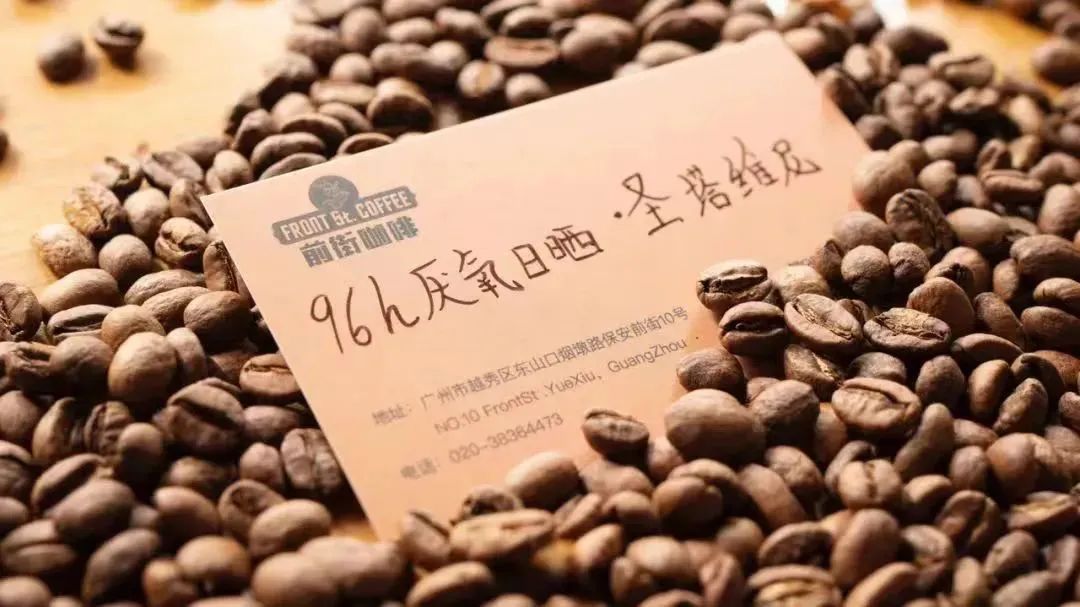
At FrontStreet Coffee, there is a coffee bean from the Sidamo region, produced by the Santa Vini processing station under DWD Company, all using the 74158 coffee variety, processed with a 96-hour anaerobic natural method, which after brewing has a slight fermented wine aroma, citrus and berry tropical fruit flavors, a full body, and a red-wine-like finish.
To learn more coffee origin news and information, please scan the code to follow: Kaping
Long-press the QR code to follow:

Related Reading


Comments (0)
Loading comments...
You May Be Interested




Trending Reviews
Popular Videos

With you, wherever you are! We provide useful features to help you find new things you'll love






