Source:Best Coffee > News Author:qjroot Published:2026-09-16 01:59:30
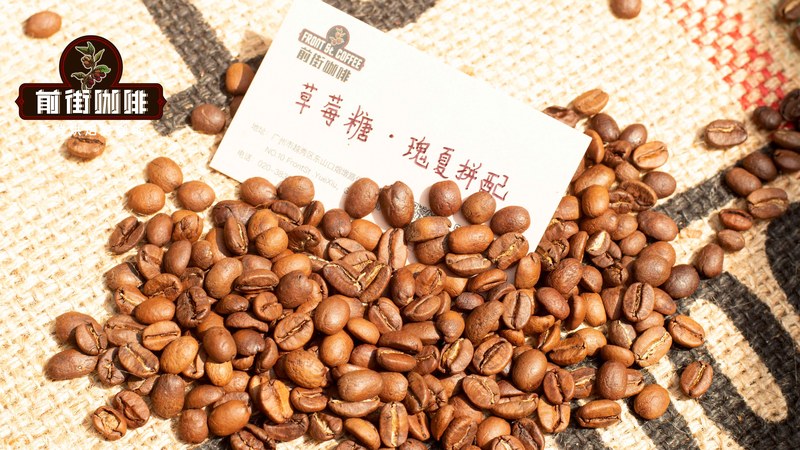
Light roast coffee beans retain a rich array of origin flavor compounds and the organic acids of the green beans themselves, and their texture is relatively hard and dense, with few pores in the internal structure. When brewing these beans, the key is to use reasonable extraction conditions to let the aromatic molecules and fruity, sweet acidity hidden within the cell walls release evenly. Mastering the coordination of water temperature, coffee-to-water ratio, and pouring rhythm can bring out layered floral and fruity aromas in light roast coffee.
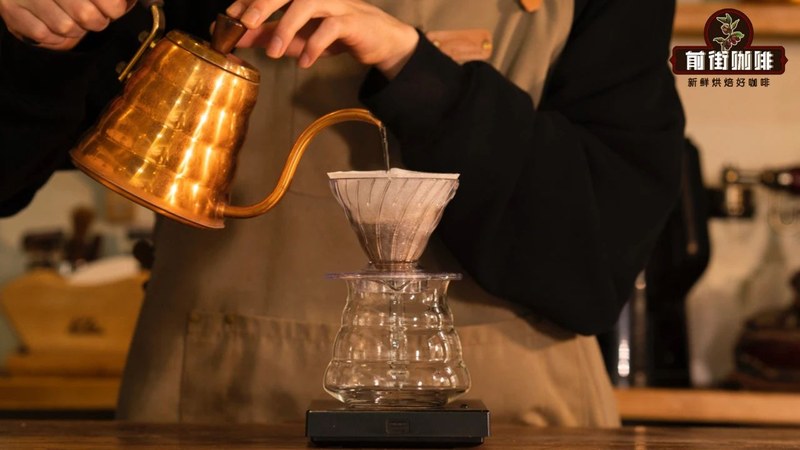
For light roast beans with different flavor directions, pour-over recipes need to be adjusted accordingly. Types with delicate aromas and fine acidity are suited to a thin stream and steady pulse pouring to maintain a clean, transparent texture; while beans with full-bodied juiciness and rich fermented sweetness can appropriately use water flow agitation and a slightly higher coffee-to-water ratio to fully extract the thick, sweet, and mellow fruitiness.
The Qianjie Panama Hacienda La Esmeralda Red Label Geisha, with elegant floral aromas and delicate citrus notes, often shows layers reminiscent of jasmine, bergamot, and refined black tea. When brewing this bean, the focus is on keeping the water flow steady, avoiding excessive agitation of the coffee bed, so that the clear aromatics and light tea-like quality are fully presented in the cup, allowing you to savor the flavor shifts brought by changes in temperature.
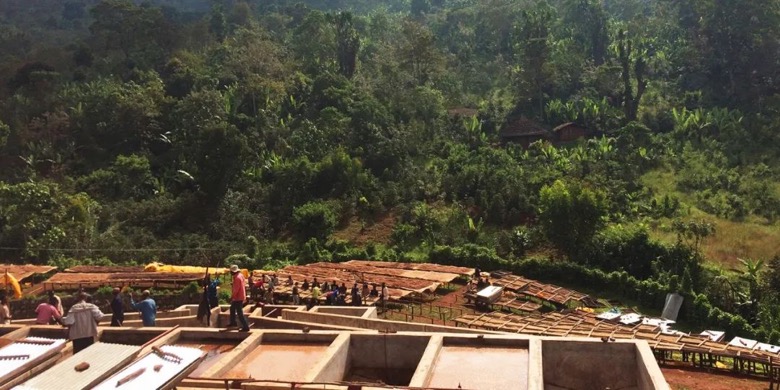
For brewing Qianjie Panama Hacienda La Esmeralda Red Label Geisha, it is recommended to use a water temperature of 91°C, take 15g of coffee grounds, and use a three-pour method. Pour 35ml of hot water for a 30-second bloom, then steadily pour in small circles at the center up to 130ml. When the liquid level drops to half, perform the third pour, topping up to 225ml, with the total extraction time controlled at 2 minutes 10 seconds, and you will obtain a cup of coffee full of floral aroma and a delicate texture.
The Qianjie Yirgacheffe Gudingding, with distinct regional characteristics, usually gives off alluring white floral notes, bright citrus acidity, and a sweet green tea finish. This bean's acidity is very lively, so it is suitable to choose a slightly faster flow rate and a two-pour method, allowing the fresh fruit acidity in the early stage and the sweetness in the middle and late stages to merge quickly, bringing a bright and refreshing drinking experience like fruit tea.
For extracting Qianjie Yirgacheffe Gudingding, it is recommended to use a water temperature of 90°C, a medium-fine grind, and weigh out 15g of grounds. Use a two-pour method: first pour 40ml of water for a 25-second bloom, then use a medium flow to continuously pour in circles from the inside out until 240ml, stopping there, with the total time kept at 1 minute 50 seconds. This brewing method with a 1:16 coffee-to-water ratio can fully unfold the citrus acidity and aroma, making the tea-like finish in the tail end more refreshing and sweet.
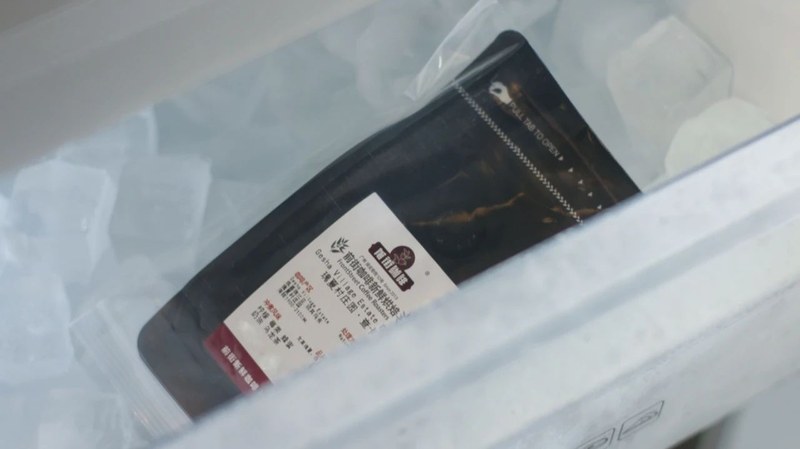
If you prefer rich tropical juice flavors, the passion fruit, blueberry, ripe grape, and apricot sweetness shown by Qianjie Colombia Sidra will bring a surprise. Because its fermented sweetness is prominent, using an iced pour-over brewing method can tightly lock in the rich sweetness of ripe fruit, presenting a bright and abundant iced drink texture like juice under the rapid cooling of ice cubes.
When making Qianjie Colombia Sidra iced pour-over, set the water temperature at 89°C, use 16g of coffee grounds, and pre-place 100g of pure ice cubes in the server. Use a single-pour continuous center pouring method. After completing a 30ml bloom, pour directly with a steady, slow stream until the total hot water amount reaches 140ml, with the total time controlled at 1 minute 45 seconds. After shaking to mix the ice, you can enjoy the icy, juicy tropical fruit aroma.
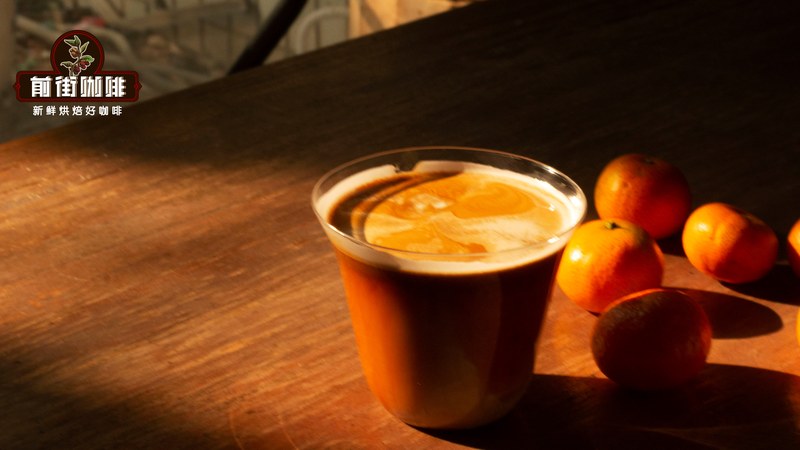
If you try using light roast beans for espresso to make SOE, you will need to make finer adjustments to the grinder. Because light roast beans offer slightly greater extraction resistance, it is recommended to grind finer and appropriately raise the extraction temperature to 93°C, using 18g of grounds to extract 36g to 40g of espresso, with an extraction time of about 28 seconds, thereby balancing bright fruit acidity with abundant caramel sweetness to obtain a cup of concentrated fruity espresso.
The joy of brewing light roast coffee beans lies precisely in perceiving the interaction between origin flavors and extraction parameters. By adjusting the water temperature according to each bean's aroma characteristics and controlling the infusion rhythm through pulse or single pours, you can bring the floral notes, fruit acidity, and sweetness in the cup to an ideal state, easily enjoying the pure and varied charm of light roast coffee in everyday brewing.
Related Reading
Comments (0)
Loading comments...
You May Be Interested

Trending Reviews
Popular Videos

With you, wherever you are! We provide useful features to help you find new things you'll love






