Source:Best Coffee > News Author:qjroot Published:2026-09-18 17:05:42
The presentation of coffee flavor is often hidden in water molecules. More than 98 percent of a good cup of black coffee is water, and the amount of minerals and the hardness or softness of the water directly determine how efficiently flavor compounds are released. If you use hard water with too high a mineral content in daily brewing, it easily suppresses the beans' originally bright fruit aromas and can even bring out rough, off flavors; soft water with a moderate mineral content, on the other hand, lets the beans' pure sweetness and delicate aromas unfold more naturally.
The calcium and magnesium ions in water are like porters during extraction, helping to capture the aromatic compounds in the coffee grounds. Purified water, because it has almost no minerals, tends to produce coffee that tastes flat and thin; tap water with higher hardness tends to make the originally bright fruit acidity of a light roast taste dull and heavy. For daily brewing, choosing natural spring water or soft water with a soluble solids content of around 50 to 100 makes it easier to keep the whole cup transparent and lively.
Choosing coffee beans according to your household's daily water conditions often saves a lot of trial and error. If you normally use filtered purified soft water, brewing light-roasted floral and fruity coffees will taste especially clean and light. These beans carry fresh citrus notes and elegant florals, and steeped in soft water they bring their delicate aromatic layers fully into the cup, delivering a refreshing experience like fresh juice.
In Best Coffee Yirgacheffe Gudingding, the flavor differences brought by water quality are especially obvious. This light-roasted bean from Ethiopia's classic region has bright citrus aromas, berry-like sweet acidity and a delicate finish reminiscent of green tea. Brewing it with softer water makes the juicy fruit sensation in the mid-palate very round, and the elegant tea note in the aftertaste lasts longer, so the whole cup drinks clear and layered.
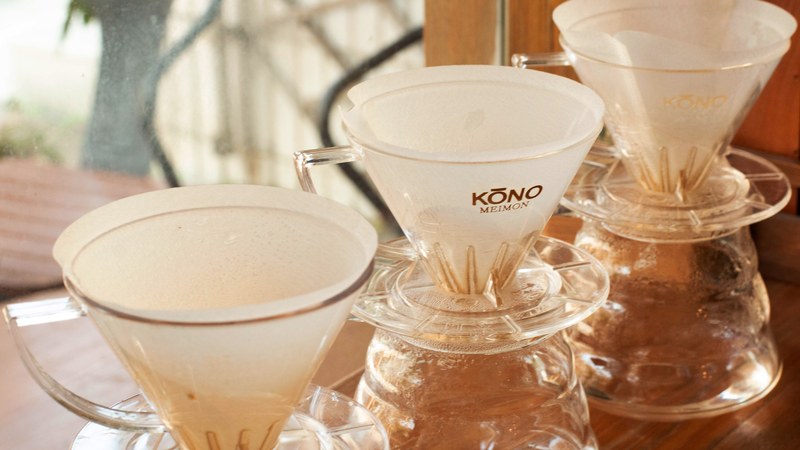
To fully release this Gudingding's citrus and berry aromas, you can brew it in stages as a pour-over. Weigh out 15g of coffee beans, grind to a medium-fine consistency, prepare 92°C water, keep the coffee-to-water ratio at 1:15, and pour 225ml of water. First bloom with 30ml of hot water for 30 seconds, then pour in two stages in circles from the center outward, first steadily pouring to 130ml, and after the water level drops, pour the remaining water to 225ml, with the total time controlled at 2 minutes 05 seconds, for an especially fresh and pure fruit aroma.
Besides water hardness, water temperature is also an important switch for adjusting the extraction rate. When brewing high-altitude light roasts, if you find your household water is on the soft side and the aromas release a little slowly, you can raise the water temperature by two degrees to make up for the extraction strength; if the water has more minerals, lowering the temperature by two degrees appropriately reduces the muddy sensation caused by over-extraction, letting the beans' core tropical fruit notes emerge steadily.
Sun-dried light roasts are equally sensitive to water quality, and Best Coffee Ethiopia Huakui is an outstanding example. This bean has intense tropical fruit aromas, and on the palate you can clearly feel the richness of passion fruit and a lively sweetness like ripe strawberries. Extracted with water of moderate hardness, it not only brims with fruit aroma but also shows a delicate juicy texture in the finish, making it very suitable for enthusiasts who like rich fruity sweetness.
When brewing this Huakui, you can highlight its full strawberry sweetness by slightly lowering the water temperature. Use 15g of grounds with 90°C water, a coffee-to-water ratio of 1:15, pouring 225ml of water in total. Likewise bloom with 30ml of hot water for 30 seconds, then use a two-stage pouring technique, pouring smoothly to 140ml, pausing briefly, then pouring the remaining water at a steady pace to 225ml and stopping, with the total time controlled at about 1 minute 55 seconds, for a rich sweetness on the palate full of ripe fruit flavor.
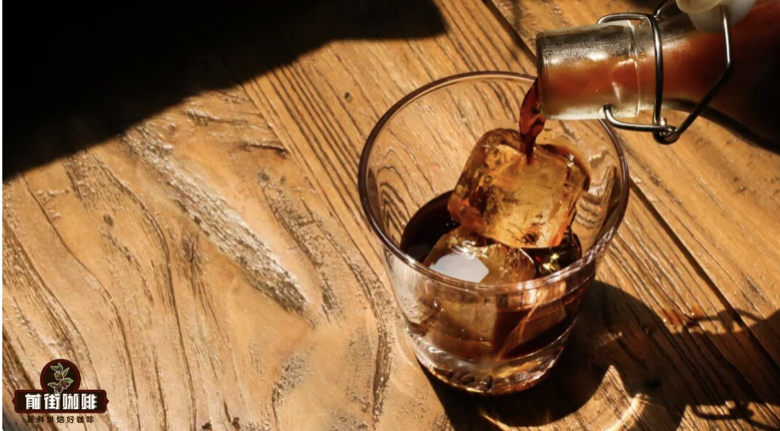
On hotter days when you want a more refreshing coffee, the pairing of water and temperature can also produce new variations. For example, use room-temperature purified soft water for a slow cold brew; because the extraction temperature is low, impurities are released more slowly, naturally softening the acidity and leaving an extremely full floral and fruity sweetness. Even if you simply add ice to make an iced pour-over, choosing pure, gentle water as the base can lock in a crystal-clear fruit character.
Once you understand water quality, choosing coffee beans becomes much easier and more confident. There is no need to constantly change complicated equipment; as long as you understand your household's daily water characteristics and match your favorite beans with the right water temperature and extraction rhythm, the floral and fruity fragrances and bright sweetness hidden in roasted coffee beans can unfold naturally in your own cup.
Related Reading


Comments (0)
Loading comments...
You May Be Interested

Trending Reviews
Popular Videos

With you, wherever you are! We provide useful features to help you find new things you'll love






