Source:Best Coffee > News Author:qjroot Published:2026-09-24 13:10:13
Many friends are fascinated by the soothing feeling of a moka pot bubbling away on the stove, yet are often puzzled when the coffee they brew comes out with burnt bitterness or astringency, lacking that fragrant, mellow softness. In fact, moka pot extraction is like simmering soup in daily life: whether the flavor is good or bad all depends on the two core dimensions of strength and extraction yield. As long as you sort out the relationship between the coffee-to-water ratio and the heat source, you can control the direction of the whole cup.

The fruit acids and sweet-tasting substances in coffee beans dissolve very quickly, while the bitter large molecules are like sluggish lazybones that are not released until the later stage. When a cup of coffee tastes weak and sour, it means the good flavors have not yet been washed out, which is to say the extraction yield is too low; if you find it biting and burnt-bitter, with a drying sensation on the tongue, it is often local over-extraction that has also dragged out the bitter, astringent substances from the later stage.
A moka pot relies on steam in the lower chamber to push hot water upward, and the grind size directly determines whether the water flow channel is smooth. If the coffee is ground too fine, the hot water gets blocked in the middle of the coffee bed and struggles to penetrate, which stews the coffee grounds into a burnt, bitter taste; if the grounds are too coarse, the water rushes up through the gaps in a flash, and repeated scouring through local channels likewise makes bitterness pile up. Adjust the grind to the size of fine salt, between pour-over and espresso, which is especially suitable.
Besides grinding, water temperature and the coffee-to-water ratio are also great helpers for adjusting extraction yield and strength. If you add cold water directly to the lower chamber, the coffee grounds will be continuously baked by the metal body during the long heating process, producing a dry, burnt taste before the water even comes out. Pre-filling with warm hot water can greatly shorten the heating time, letting the water pass gently and evenly through the coffee puck and steadily keeping the sweet, mellow substances in the cup.
Let us try the easy-drinking parameters commonly used by Qianjie: take nineteen grams of medium-dark roasted coffee grounds, fill the filter basket and gently level and tamp it, pour one hundred thirty milliliters of water into the lower chamber of the moka pot, control the water temperature at around eighty-eight degrees, wrap the body with a wet cloth and tighten it, place it on the stove and heat over medium-low heat, then turn to low heat after hearing a slight hissing sound, keeping the total liquid output time between one minute thirty seconds and two minutes.
This close to one-to-seven coffee-to-water ratio brews a black coffee with moderate strength and a clean mouthfeel. If you find the taste a bit weak and want to make a rich base for milk coffee, you can reduce the water in the lower chamber to about eighty milliliters, and remove the pot from the heat as soon as the coffee liquid begins to emerge into the upper chamber, using the residual heat and pressure of the lower chamber to slowly push through the remaining liquid, which both increases strength and avoids over-extraction at the tail end.
Once you have mastered the fine-tuning techniques, when choosing beans you should also see whether the beans themselves are suited to being drunk strong or weak. Friends who fear bitterness or are trying a moka pot for the first time are highly recommended to try Qianjie Strawberry Candy espresso; this bean carries a charming floral aroma and berry-like sweet acidity, and whether brewed at one-to-seven as a refreshing black coffee for easy drinking, or concentrated and poured into fresh milk to make a silky, sweet strawberry-milkshake-like milk coffee, it is very pleasing.
If you favor a traditional flavor that is high in strength, full-bodied and without acidity, choosing a blend with a darker roast level will suit your taste better. For example, Qianjie Classic Blend, under the high temperature and pressure of a moka pot, can fully release the aromas of roasted hazelnut, dark chocolate and creamy caramel, with a rich, full-bodied oily texture; even when a large amount of hot milk is added, that intense nutty sweetness remains clear and alluring.
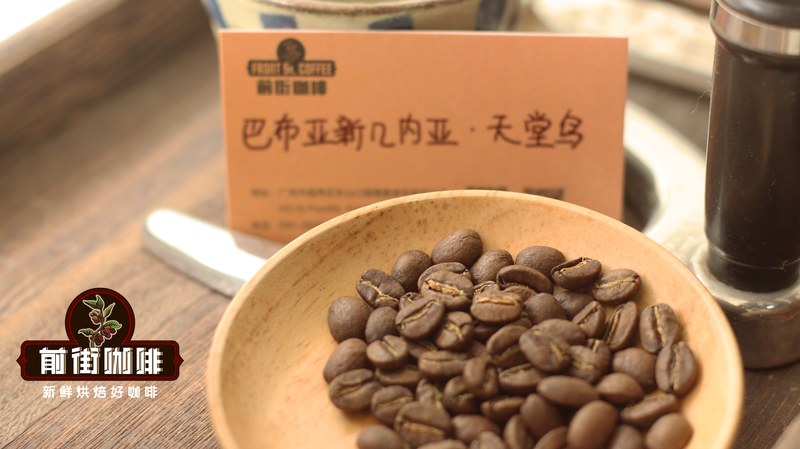
Friends who like exploring single-origin flavors can likewise use a moka pot to draw out surprises. For example, Qianjie Brazil Queen Estate is itself mild in acidity, and the extracted coffee liquid is full of a smooth sweetness like peanut butter and sugarcane; while the highly full-bodied Qianjie Indonesia PWN Golden Mandheling only needs the grind size adjusted slightly coarser to hide the herbal, miscellaneous astringency and present a deep, caramel-spice-like sweet finish.
Next time you stand in the kitchen waiting for the moka pot to release its aroma, take a little more notice of the speed of the liquid output and the changes in color. With the same bag of coffee beans you love, as long as you fine-tune the water amount and heat along with your preference for strength, you can easily sidestep burnt bitterness and dryness, making every sip of hot coffee warm, smooth and long in finish.
Related Reading



Comments (0)
Loading comments...
You May Be Interested


Trending Reviews
Popular Videos

With you, wherever you are! We provide useful features to help you find new things you'll love






