Source:Best Coffee > News Author:qjroot Published:2026-09-18 16:55:43
More than ninety-eight percent of a cup of coffee is water, and the mineral composition of that water often directly determines the direction of the flavor. When brewing water is on the hard side and TDS is high, excess calcium and magnesium ions tend to accelerate the extraction of deeper flavors, bringing noticeable astringency and burnt bitterness. If you want to highlight the coffee's own full-bodied viscosity and silky mouthfeel, adjusting the hardness of your brewing water is crucial.
For everyday brewing, commercially bottled natural soft water or low-mineral spring water is very suitable, with TDS kept between 50 and 90, balancing aroma release with a smooth texture. Purified water lacks minerals, and the coffee it brews comes out flat and thin; highly hard tap water, on the other hand, masks the natural sweetness. Choose the right soft water, and the nutty aroma and caramel sweetness contained in the beans can fully unfurl and release.
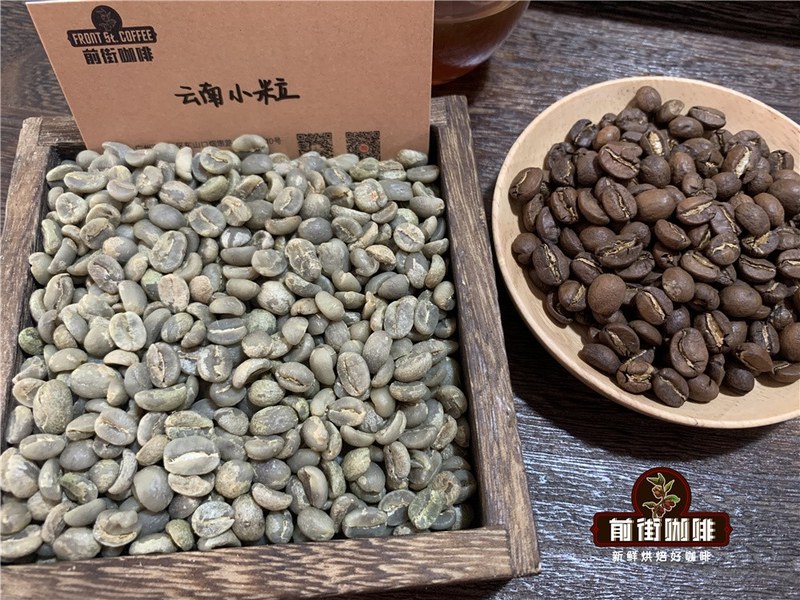
When it comes to choosing coffee beans, if you want to avoid sharp acidity and pursue a rich, full-bodied mouthfeel, you should pay attention to the processing method and roast level. Beans roasted to a medium to medium-dark level, having undergone sufficient Maillard and caramelization reactions, see their fruit acidity transformed into a warm sweetness, with cocoa and nutty flavors especially prominent. Low-altitude natural-process beans from South America and Asia usually possess this kind of steady, solid texture.
Qianjie Brazil Queen's Estate is a representative that fits this style. It uses the classic Yellow Bourbon variety, and natural processing amplifies the sugar reserves within the green beans. Under a medium-dark roast, the whole bean displays a full aroma interwoven with roasted peanuts, cocoa powder and maltose, with almost no acidity. Brewed with soft water, it enters the mouth smooth and rounded, just like warm melted dark chocolate.
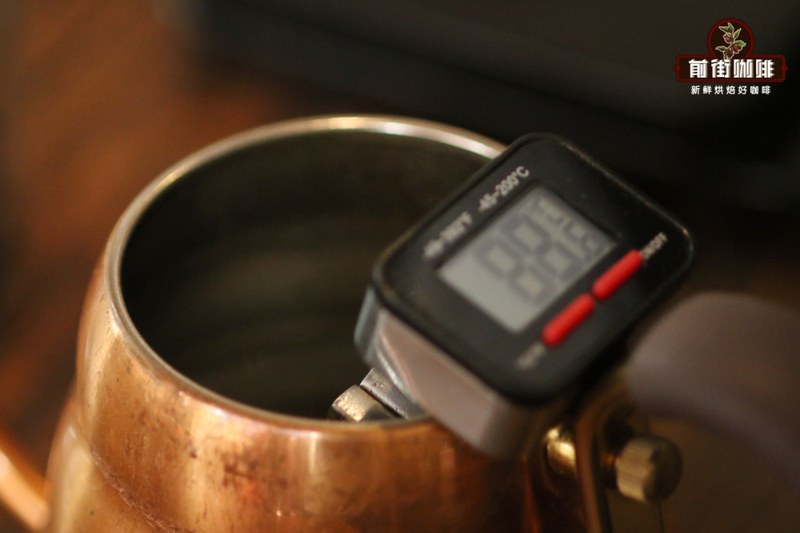
When brewing Qianjie Brazil Queen's Estate, choose soft water with a TDS of about 60, set the water temperature at 89°C, use 15g of coffee grounds, and pour 225ml of water at a 1:15 coffee-to-water ratio. First pour 30ml of water and let it bloom for 30 seconds, then pour in three stages: for the second stage, pour steadily in circles up to 130ml, wait for the water level to drop, then pour the third stage up to 225ml and stop, with the total time controlled at 2 minutes 05 seconds, for a long-lasting nutty sweetness.
If you prefer a deeper, richer herbal and dark cocoa character, Qianjie PWN Indonesia Golden Mandheling is a good choice. This specially selected top-grade Mandheling retains the distinctive viscosity and oily body of the Sumatra wet-hulled process, with extremely low acidity and a cedar and spice sweetness in the finish. Extracted with soft water, it can fully display its deep, steady texture, smooth and without burnt harshness.
Brewing Qianjie PWN Indonesia Golden Mandheling requires slightly adjusted parameters; it is recommended to lower the water temperature to 88°C, take 15g of coffee grounds, and pour 225ml of water at a 1:15 coffee-to-water ratio. First pour 30ml of water and let it bloom for 30 seconds, then use two-stage pouring: with a fine stream, pour steadily and continuously in circles, adding the remaining water up to 225ml, with the total time controlled at 1 minute 55 seconds. The low water temperature combined with soft water can suppress the off-flavors of a dark roast and release a deep, rich cocoa aroma.
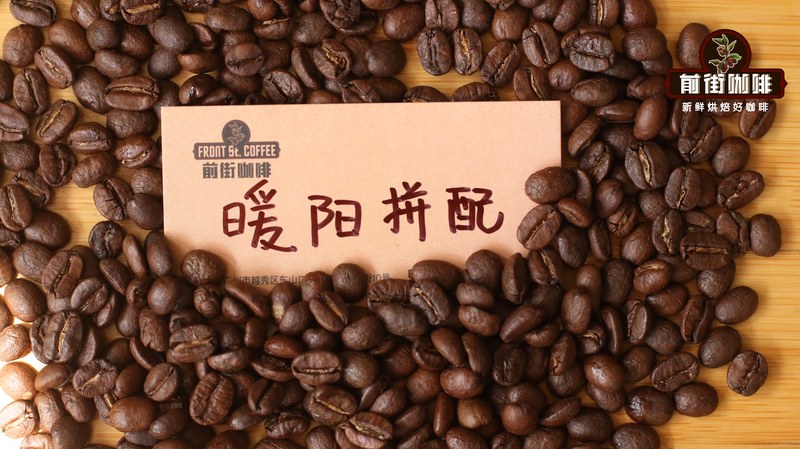
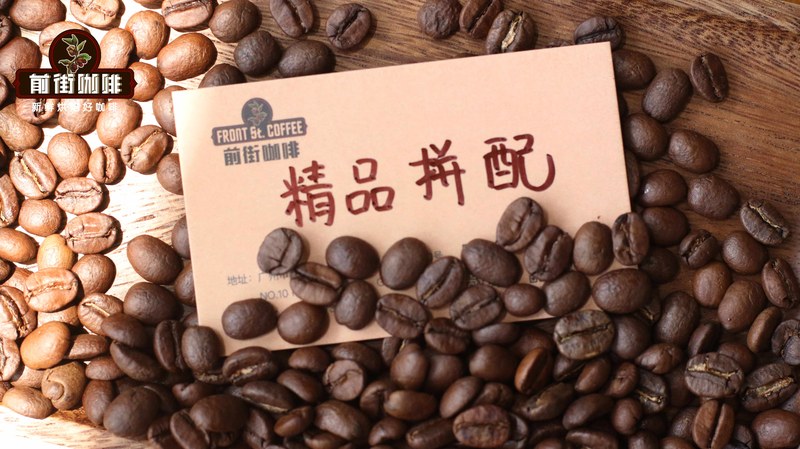
Besides single-origin pour-over, if you want to cover both Americano black coffee and milk coffee, Qianjie Classic Blend is a very reliable base. This blend combines high-sweetness South American beans with beans from regions known for excellent body, with a flavor clearly leaning toward nuts, cocoa and caramel. Whether drunk on its own or combined with milk, it presents a dense crema and a solid structure, and with the help of soft water it highlights a soft, sweet smoothness even more.
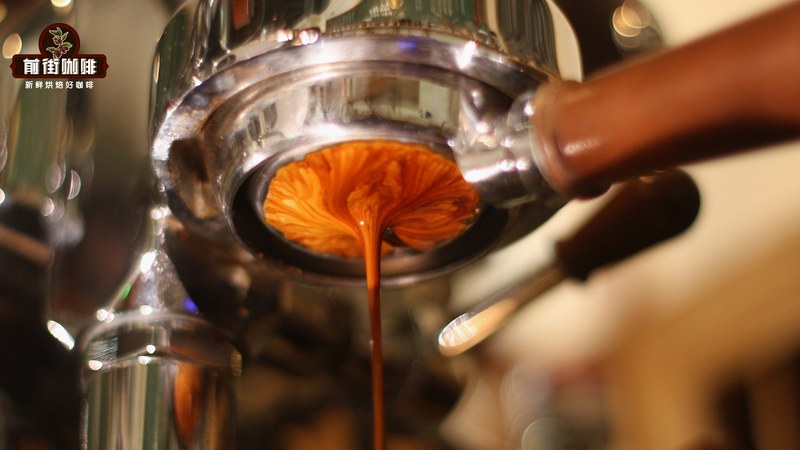
When making Qianjie Classic Blend espresso, grind 18.5g of coffee grounds, distribute them evenly into the portafilter basket and level them, then use an espresso machine to extract at a constant nine-bar pressure, pulling 37g of espresso liquid within 26 seconds. The crema on the surface is fine and thick; whether diluted with warm soft water to make a rich Americano or added to steamed milk, you can taste a strong roasted nut aroma and cocoa sweetness.
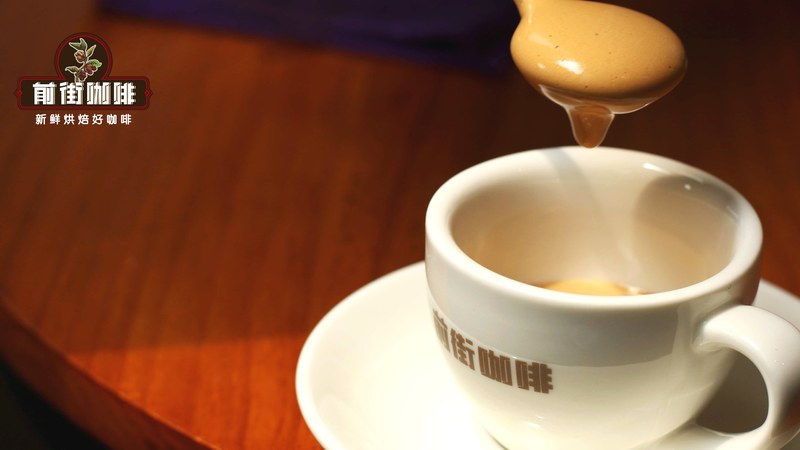
Using a moka pot to make Qianjie Classic Blend is likewise rich and smooth. Pour 90ml of preheated low-hardness warm water into the lower chamber, keeping the water level below the safety valve, fill the filter basket with coffee grounds ground slightly coarser than for espresso and level them off. Tighten it, place it on the stove and heat over medium-low heat for 1 minute 40 seconds; once the coffee liquid keeps flowing out and its color lightens, turn off the heat immediately. The resulting coffee liquid is thick and silky, with no harsh astringency at all.
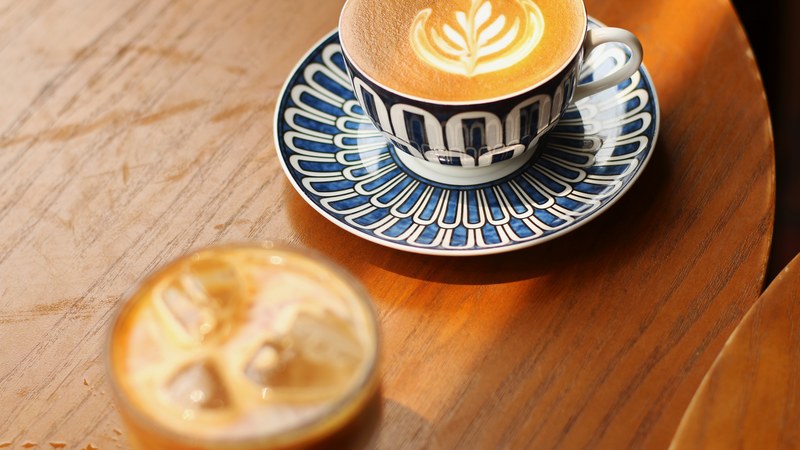
Once you understand the relationship between water hardness and coffee bean roasting, brewing a warm, full-bodied good coffee at home is not complicated. The moderate minerals in soft water can awaken the caramel sweetness of medium-dark roasted beans while avoiding the harsh interference of excess ions, allowing the aromas of nuts and dark chocolate to unfurl. Pick a bag of low-acid, full-bodied coffee beans, switch to a bottle of gentle brewing water, and you can enjoy a room full of rich aroma at any time.
Related Reading
Comments (0)
Loading comments...
You May Be Interested

Trending Reviews
Popular Videos

With you, wherever you are! We provide useful features to help you find new things you'll love






