Source:Best Coffee > News Author:qjroot Published:2024-07-16 13:45:48
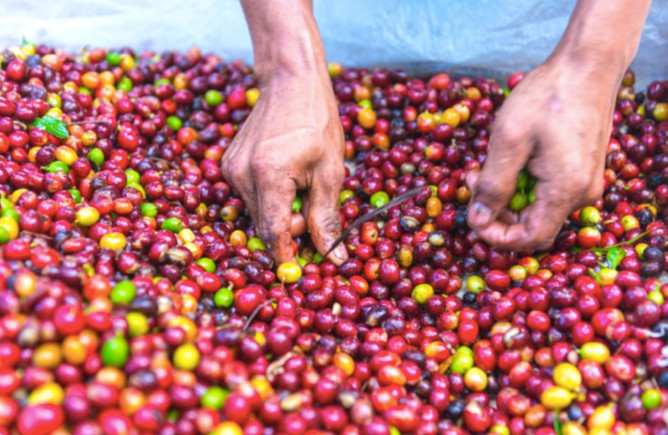
Green coffee beans are not ready to be roasted and brewed straight after being picked from the tree. Many steps are required to achieve good flavor. While people often assume that coffee flavor depends on the variety, growing environment, and farming practices, few realize there’s a crucial step between cultivation and roasting called “coffee processing.” The chosen processing method typically depends on local production capacity or the desired flavor profile. To learn about common coffee processing methods, let’s explore them with FrontStreet Coffee (FrontStreet Coffee).
Processing = Coffee Cherry → Green Coffee Bean
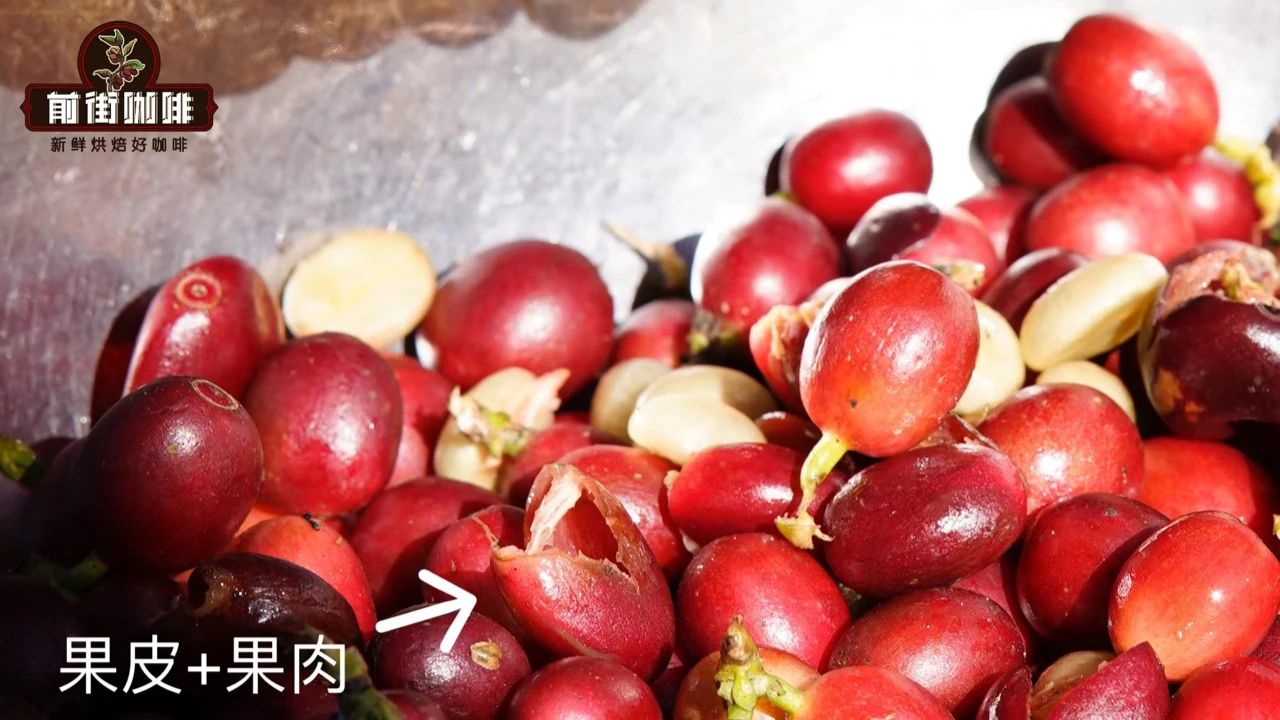
If you cut open a harvested coffee cherry horizontally, you’ll see layers from the outside in: skin, pulp, mucilage, parchment, silver skin, and finally the seed (the coffee bean). The so-called processing method is the process of extracting the inner seed from the ripe fruit.

Originally, there were only two ways to process green coffee beans: “wet” processing (Wet process) and “dry” processing (Dry process). Among them, Dry process, also known as natural drying, involves spreading the coffee cherries under the sun to dry, and then removing the outer shell through pressing to obtain the seeds. Wet process, also called Washed process, broadly refers to what we know as the washed method.
What is Natural (Dry) Processing?
Those familiar with coffee processing know that the coffee beans we taste and drink come from the seeds inside the fruit. After harvesting, coffee cherries need to go through a series of steps to remove the skin and dry before the desired coffee beans can be obtained. Natural processing is the oldest and most traditional method, and it remains one of the most common green bean processing methods used in many countries today.
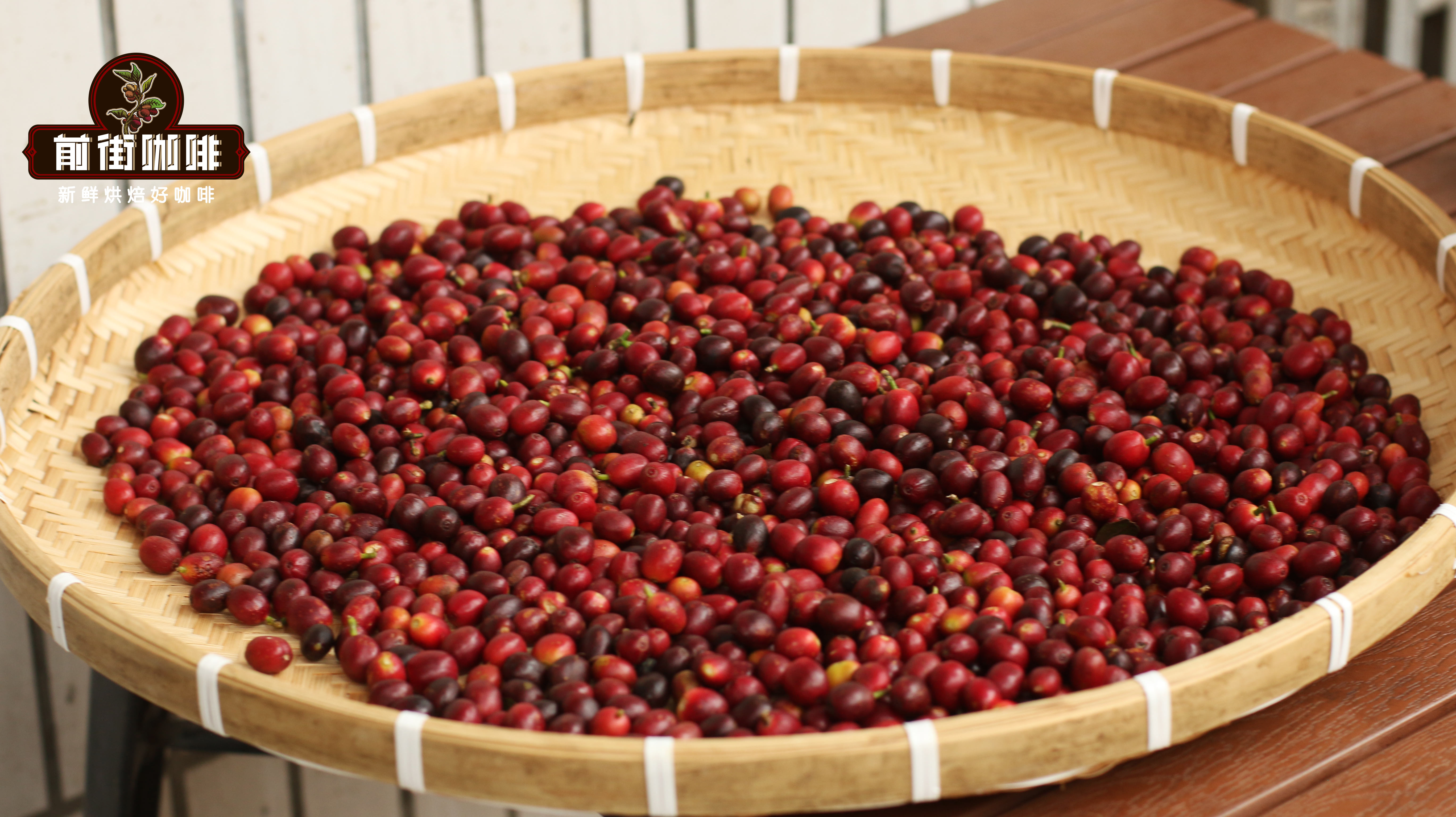
Natural processing involves spreading freshly harvested coffee cherries under the sun, allowing the sun’s heat to evaporate the moisture in the fruit’s pulp. Once the target moisture content is reached, the cherries are mechanically crushed to remove the outer shell and extract the beans still covered by parchment. Because natural processing requires no advanced technology, even smallholder farmers can handle it on their own. The entire drying process relies solely on sunlight during fair weather, which keeps production costs low, making it most common in high-altitude coffee-growing regions.
In regions aiming for refined flavors, coffee cherries are first floated to remove underripe fruits and foreign debris like stones before being spread out on raised drying beds. This elevates them off the ground to prevent contamination from crawling insects, dust, and bacteria. During the drying period, workers regularly check the moisture level and remove defective cherries—such as those damaged by insects, cracked, or moldy—to avoid affecting the rest.
Since the beans inside natural processed coffee are dried while still enclosed by the pulp, the fermentation time is longer, and the interaction between microbes and the pulp is more extensive. When fermentation begins, microorganisms produce more volatile compounds, especially esters. These aromatic substances contribute more floral and tropical fruit fermentation notes to the roasted beans, such as furan compounds, giving natural coffee a broader flavor spectrum and a sweeter taste. For example, the Panamanian Emerald Estate Red Label Gesha, Ethiopian Guji Hambella Kochere, Red Cherry, and Brazilian Queen Estate—all featured on FrontStreet’s coffee list—are processed using the natural method.
How Are Coffee Beans Washed?
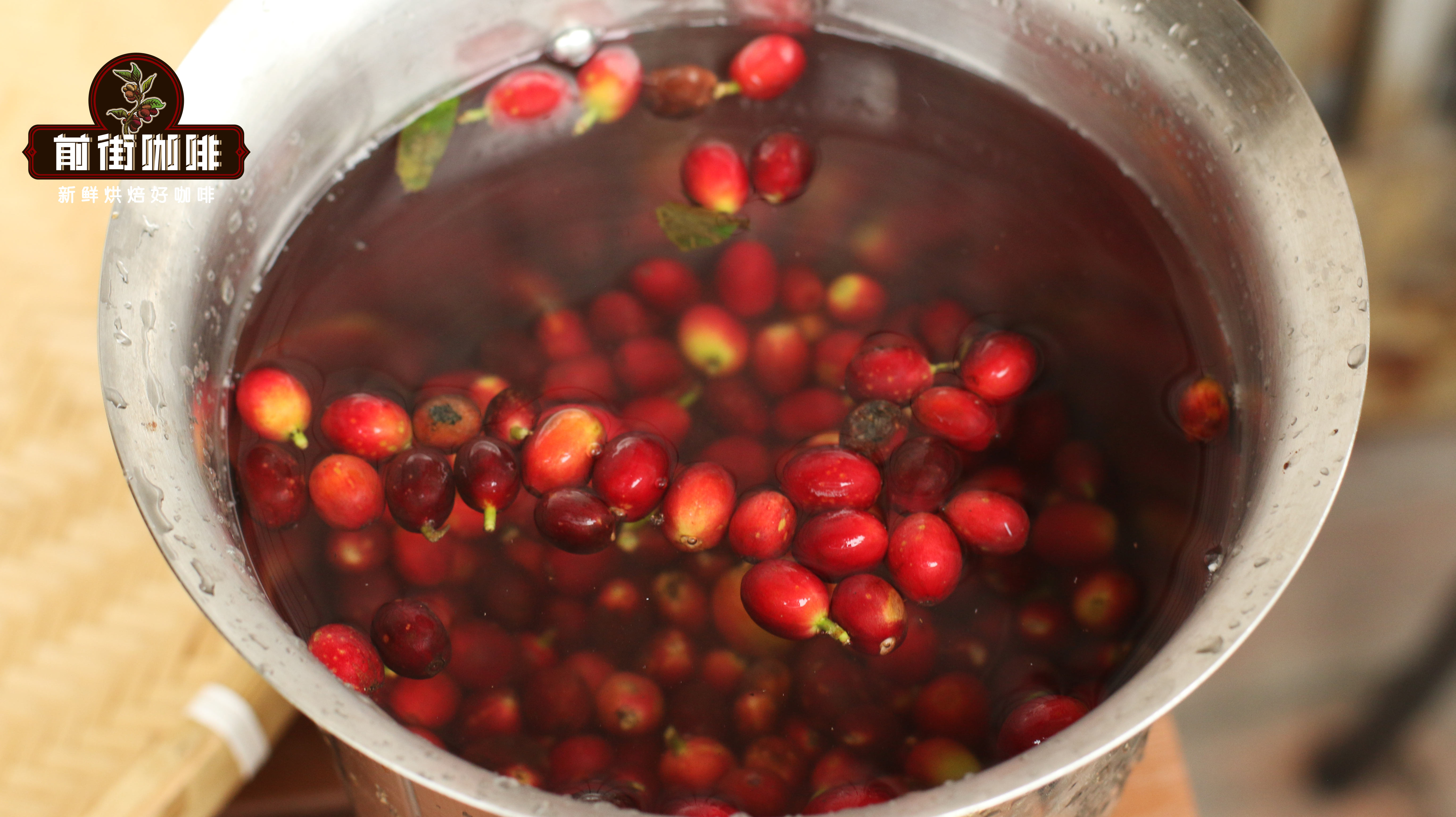
Simply put, washed coffee cherries are first floated after harvest to remove impurities such as branches, leaves, and defective fruits. They are then poured into a machine for pulping (removing the skin but leaving a bit of pulp and some mucilage), resulting in beans that are still coated in slippery mucilage.
Next, these beans are placed in fermentation tanks for soaking overnight or longer, undergoing either dry or water-assisted fermentation. The goal is to allow microbes to break down the mucilage on the outer shell. After fermentation, the beans are rinsed with clean water to remove the mucilage, then the clean parchment-covered beans are dried in the sun or by machine until their moisture content drops to 11–13%.
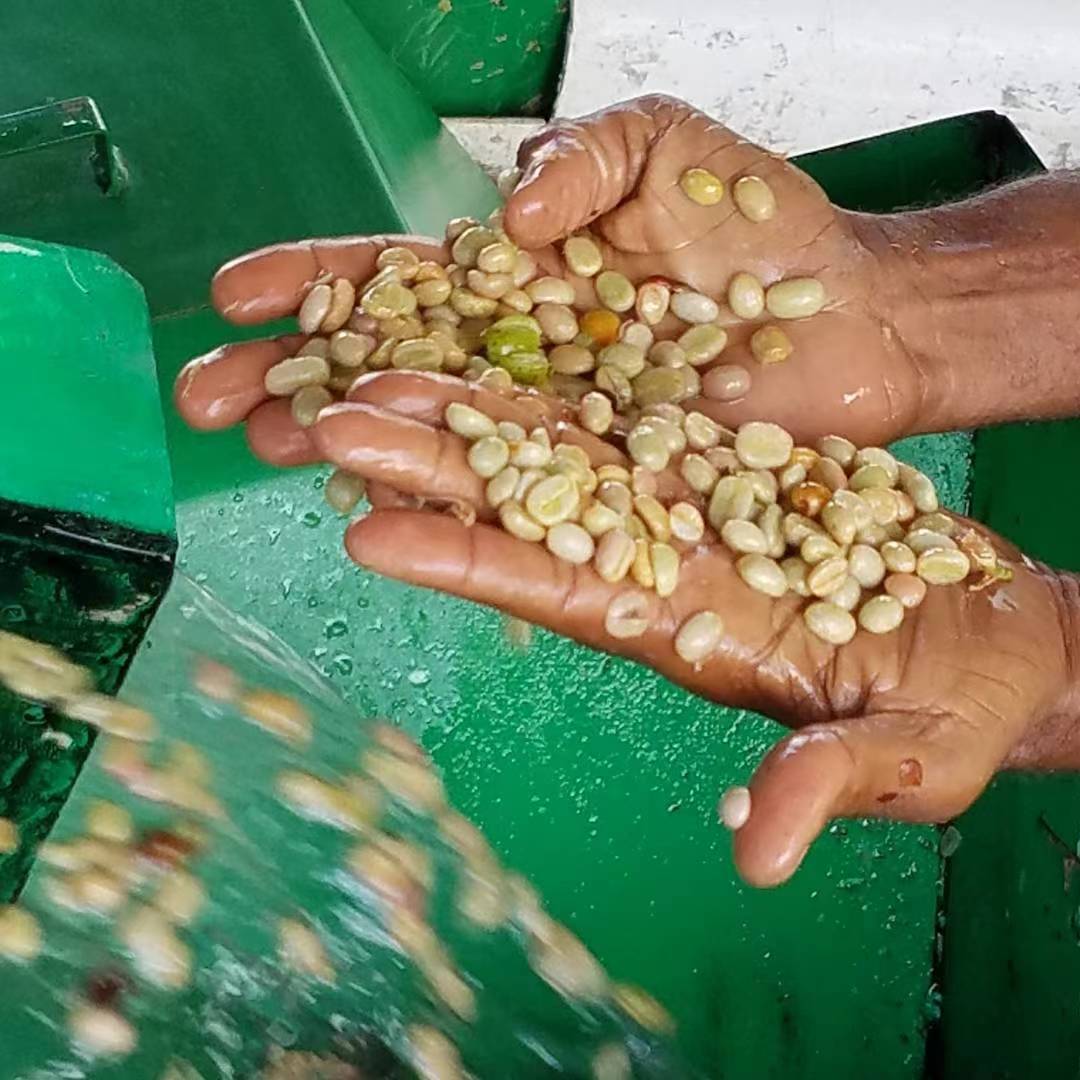
Because the pulp and mucilage are removed before drying, the moisture content is significantly lower, drastically reducing drying time compared to natural processing. This greatly decreases reliance on weather conditions and improves processing efficiency. From the producer’s perspective, washed processing yields more stable coffee beans, and the shorter drying time makes it ideal for producing large quantities of high-quality coffee.
The traditional wet processing method isn’t complicated: floatation → pulping → fermentation → washing → drying → hulling → packaging. But it requires a sufficient water supply, and because it heavily relies on machinery, producers must have ample funds to invest in equipment. The rise of washed processing coincided with early American plantations funded by capital—operations with enough financial resources, plus the invention of various pulpers and hullers that met the era’s demands, which helped spread the washed method across the Americas.
Typically, washed coffee exhibits a pronounced cleanliness and clarity in flavor. When medium to light roasted, it often displays bright and intense acidity reminiscent of certain fruits, such as green mandarin or lemon. So when selecting coffee beans, if you prefer acidity, you might naturally gravitate toward washed varieties. For example, from FrontStreet’s coffee list, you could opt for washed coffees like Ethiopian Yirgacheffe G1 Gedeb, Kenyan AA Asea, or Panamanian Boquete Gesha.
Besides Natural and Washed, There’s Honey Processing
When you first hear the term “honey processing,” many might assume it involves using honey to treat green coffee beans to make the coffee taste as sweet as honey—but that’s not the case. Honey processing can be seen as a middle ground between the two methods mentioned above, and it’s most common in Central and South American countries, particularly Costa Rica, where it’s most famous.
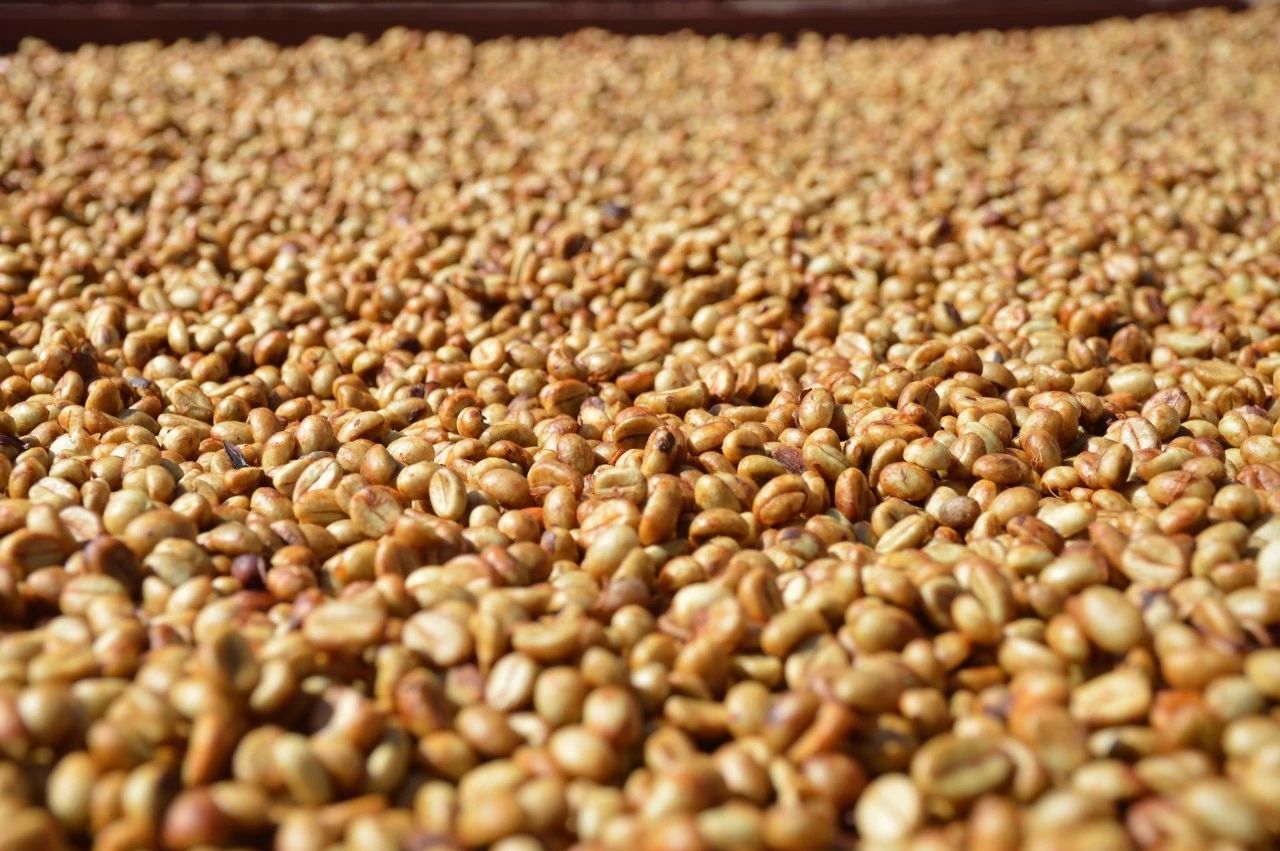
Around the mid-1990s, to reduce the drying time for large batches of green coffee beans, Brazilian merchants invented the Pulped Natural method (locally called “Cereja Descascada”). This involves removing the skin before drying in the sun, making it well-suited to Brazil’s dry climate. It not only shortens the drying period but also solves the issue of unpleasant fermentation flavors caused by drying Brazilian beans in the open air, significantly improving the beans’ flavor and quality.
With the emergence of this new post-harvest technique, some Central and South American farm owners began imitating and adapting it, modifying the Brazilian Pulped Natural process to suit their local climates. By removing varying amounts of mucilage, they achieved different sugar levels in the dried green beans, leading to the categorization of White Honey, Yellow Honey, Red Honey, and Black Honey processing methods.
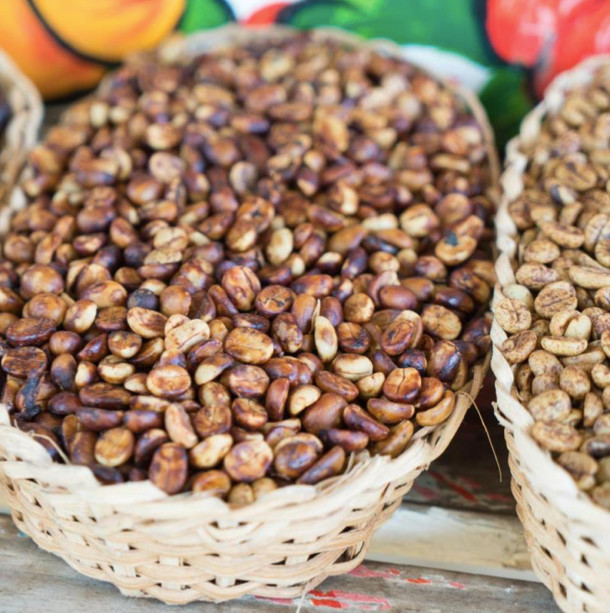
When using honey processing, farmers first float the fresh coffee cherries in water tanks to remove underripe or defective fruits and stones. The outer skin is then removed using specialized equipment, and the beans, still coated with some pulp, undergo a period of “dry fermentation” before being moved to the drying stage. The term “honey” refers to the sticky, syrupy state of the mucilage’s sugars after fermentation, which resembles honey—hence the name “honey processing.”
Compared to washed processing, honey processing reduces freshwater usage by about 40% and avoids the negative flavor defects caused by prolonged sun exposure. Coffee processed with honey processing generally presents a cup profile of rich, delicate fruit acidity and sweet floral complexity, with an overall clean and refreshing taste. Thanks to its water-saving, eco-friendly, and flavorful advantages, honey processing has become popular in Central and South America, and its coffee flavors are highly favored in the specialty market.

For example, FrontStreet’s Guatemalan New Oriental Gesha coffee is processed using this honey method. Once roasted and brewed, the coffee exhibits a rounded fruit sweetness and toffee-like characteristics.
Related Reading







Comments (0)
Loading comments...
You May Be Interested




Trending Reviews
Popular Videos

With you, wherever you are! We provide useful features to help you find new things you'll love






