Arabica is a coffee species. In addition to Arabica, there are also Robusta and Liberica. A species is like ethnicity—just as Asians, Caucasians, or Africans differ due to variations in geography, culture, diet, beliefs, systems, social order, and customs, even though they all belong to the yellow race, each group has its own originating culture, dietary habits, and beliefs. The same applies to the Arabica coffee species.
[Coffee bean] is just a general term. Of course, there are also different types of coffee beans. To date, only three species have been discovered: Arabica, Robusta, and Liberica, which are referred to as species.
The explanation of these three bean varieties is just like the concept of yellow, white, black, red, and brown races. Within different bean varieties, there are also differences due to factors such as leaf shape, bean size, content of internal substances, acidity, intensity, caffeine content, and suitable altitude for growth, resulting in various tree types within the Arabica variety, such as Typica, Bourbon, Maragogype, Catuai, Pacamara, and Geisha.
Below is a detailed introduction to these three major bean varieties
"https://v3.coffeecdn.cn/uploadfile/ueditor/image/202411/1732332076e3bee0.jpg"

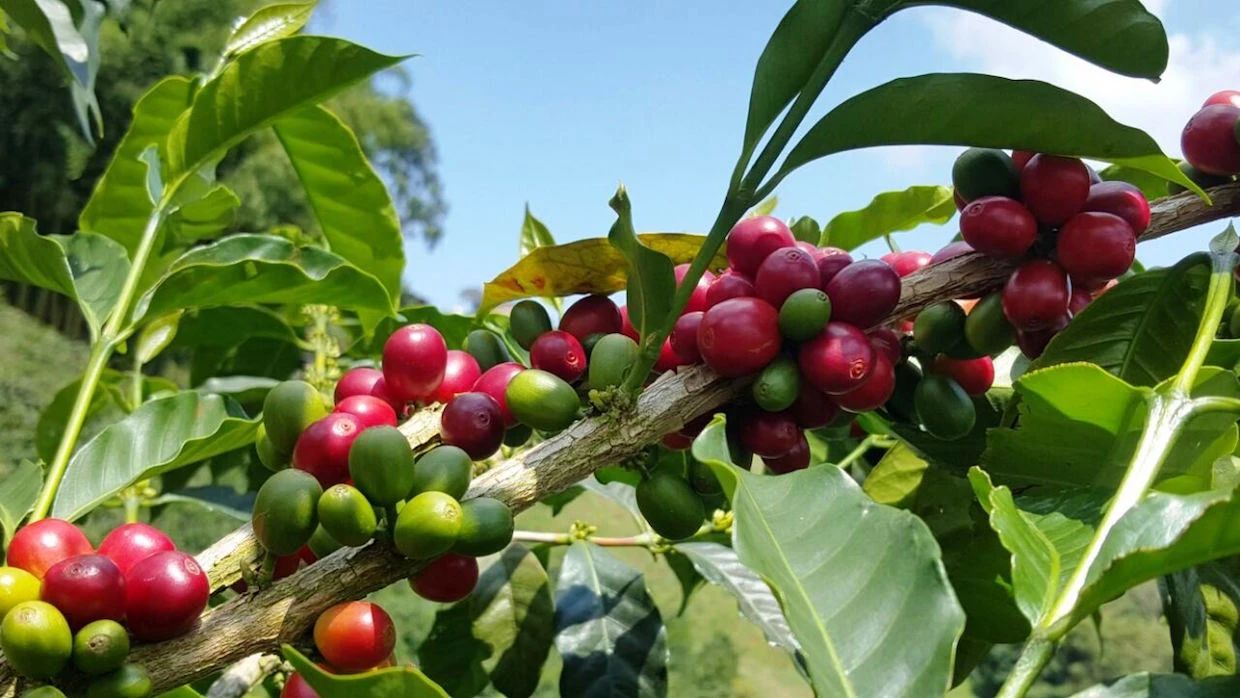
Arabica beans require relatively stringent growing conditions. The ideal altitude for cultivation is above 1,000 meters. Beans grown below 1,000 meters are more prone to disease or pests, and the resulting quality is often subpar. Due to the limited suitable growing conditions and the challenges involved in cultivation, Arabica plants require particularly careful attention. Arabica beans grown at high altitudes tend to have a denser structure, making them less prone to cracking during roasting at high temperatures. The resulting roasted beans are of high quality, with rich and layered flavors. Despite the difficulty of cultivating Arabica beans, they still account for nearly 60% of the market share (recent production declines have brought the latest figure to around 60%).
Among the diverse varieties of Arabica beans, Typica and Bourbon are the two most distinctive and renowned cultivars. Bourbon is a new variety that originated as a mutation of Typica. In the 18th century, the French transplanted the Typica variety to Réunion Island in the Indian Ocean, at a time when Réunion was still known as Bourbon Island (Île Bourbon). To adapt to the new environment, the transplanted Typica naturally mutated into a new variety specific to Bourbon Island, hence the name Bourbon. Undoubtedly, the Typica (Typica) and Bourbon varieties are now widely recognized as the progenitor cultivars of all natural and artificial mutations.
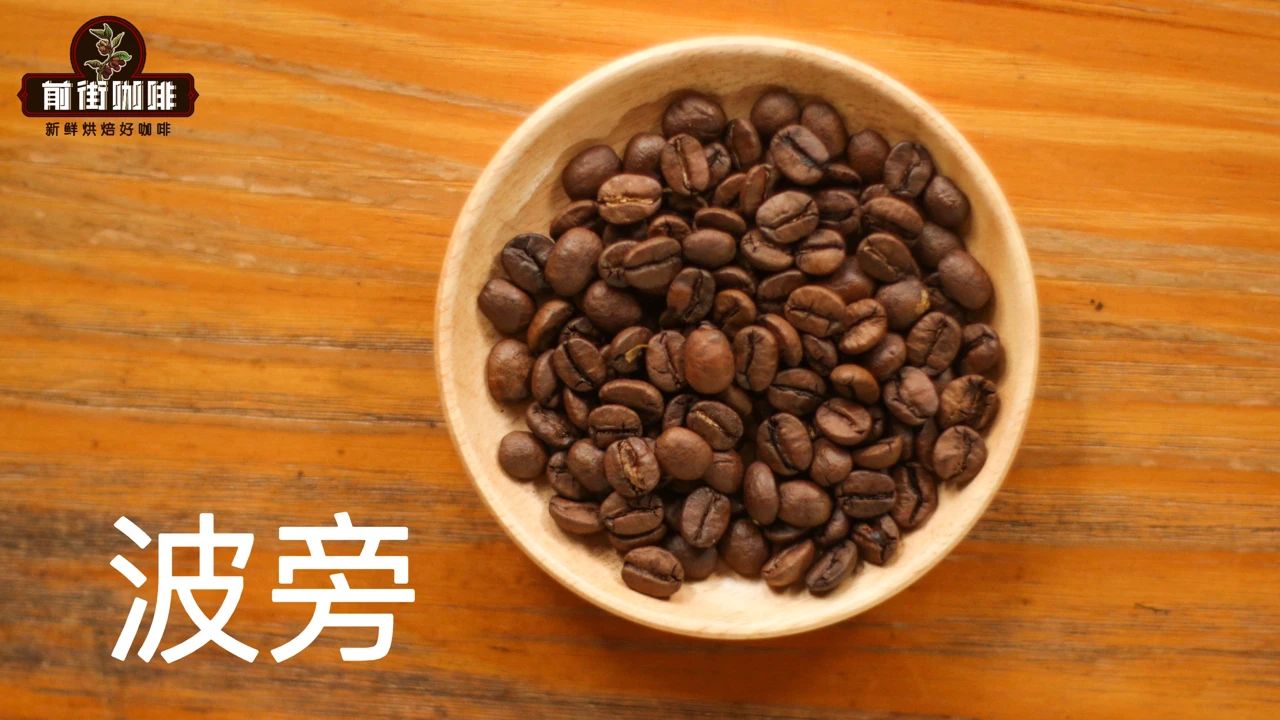
From these two coffee bean varieties, other cultivars have been derived, such as Kent, Mocha, Blue Mountain, Caturra, and the Brazilian hybrid Mondo Nuevo, among thousands of others. It is impossible to accurately estimate how many new varieties currently exist worldwide that have emerged through natural mutation or artificial breeding, mutation, grafting, hybridization, and other techniques. However, it is certain that these tree varieties are all derived from the Arabica coffee lineage, both early and later developed cultivars.
Robusta Coffee Variety: Its market share is about 40%. Does this conflict with the previous statement? Not at all—it simply means that when we expand the definition of the coffee market to include larger markets such as packaged instant coffee, these coffee products more often use Robusta as the raw material.
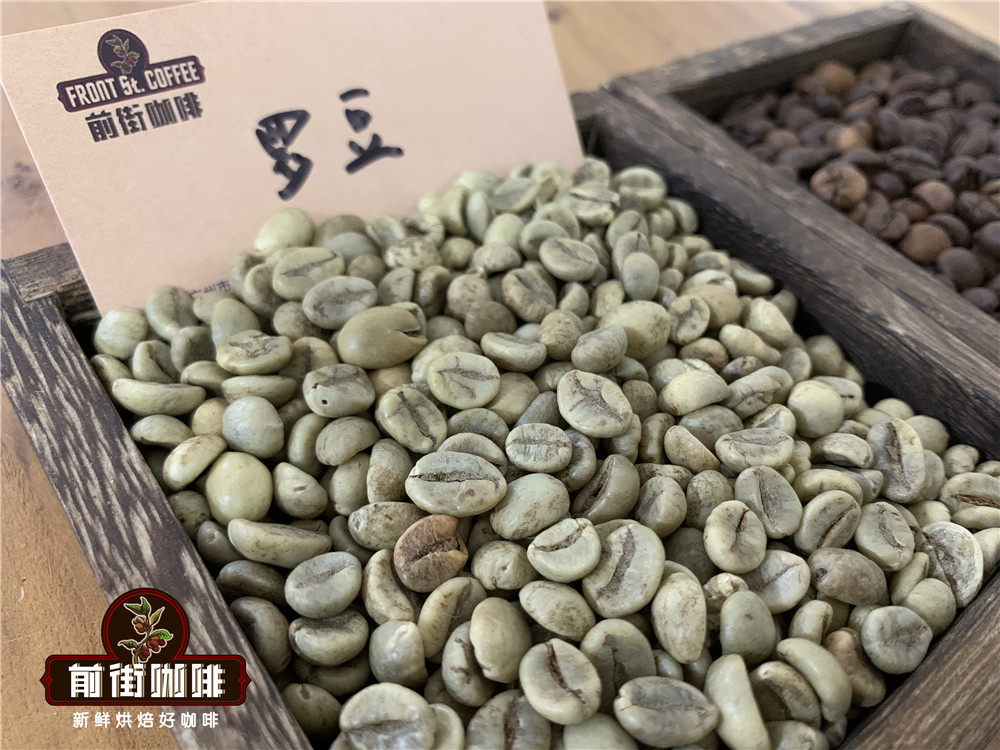
The earliest form of Robusta coffee is called Canephora. Canephora is the Latin name for Robusta coffee, which was later commercially referred to as Robusta coffea. Robusta and Arabica are two very different bean varieties. Robusta does not require high-altitude cultivation and can grow at elevations above 200 meters. It is not only resistant to humidity but also highly disease-resistant, making it less susceptible to pests and diseases. Its advantage lies in high productivity. Although Robusta beans yield more, their flavor is not as rich, layered, or diverse as that of Arabica beans. Therefore, its role is mostly limited to blending, commonly used in espresso and instant coffee production. As a result, it holds about a 40% market share.
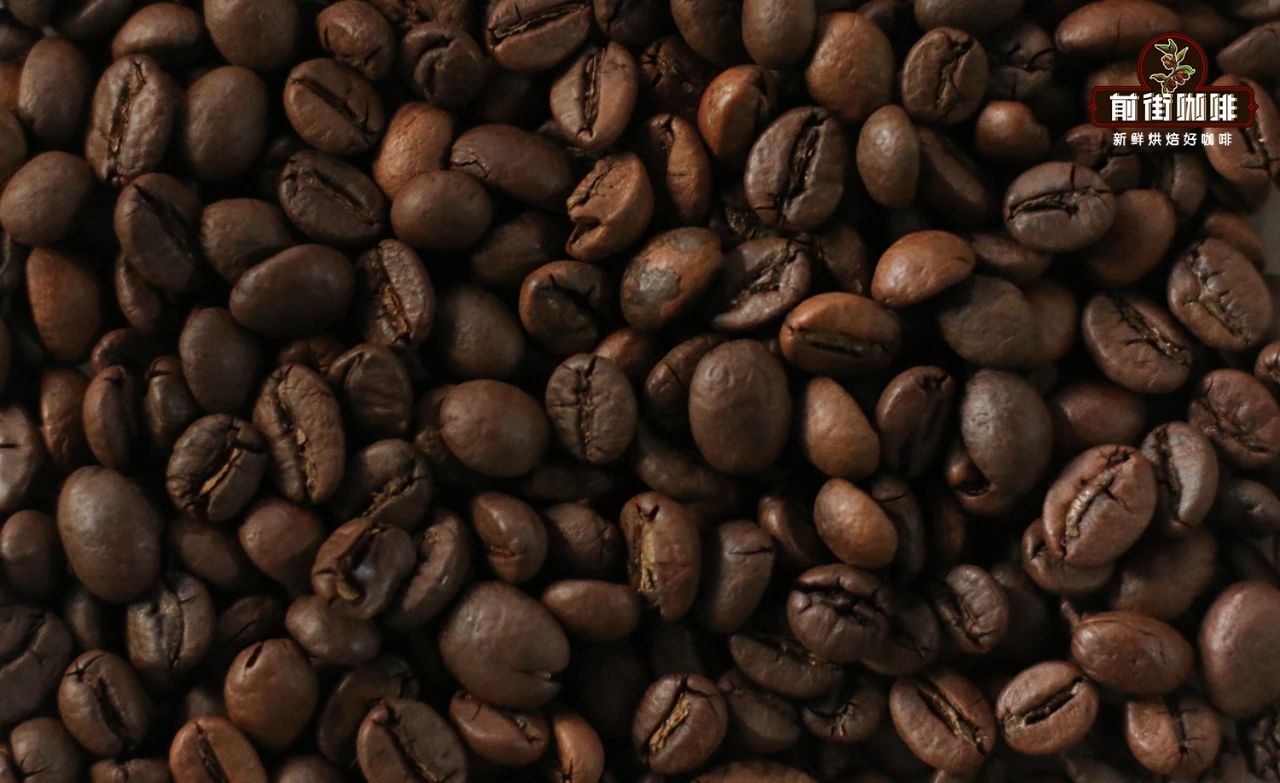
There are certainly mutated and improved new varieties of the Robusta bean, but those that exhibit distinct flavors and characteristics are extremely rare. Moreover, Robusta has a strong, bitter taste, high caffeine content, lacks finesse, and has a heavier mouthfeel, making it less appealing as a single-origin coffee. As a result, there is little research into its varieties, traits, or the differences between tree types. Therefore, it has always been simply referred to as Robusta, without classification or distinction of its quality or variety. In fact, Robusta coffee from Java in Indonesia and Papua New Guinea in Oceania is of very high quality. The most common Robusta variants are Brazil's Conilon, as well as Java–Lneac, Nana, Kouilou, and Congensis.
Liberica Variety: Accounting for only about 1% Liberica beans are large in size and resemble Robusta beans in appearance and characteristics, except they are harder to hull and have an extremely high acidity with a strong, stimulating taste. Their mouthfeel is even inferior to that of Robusta. Due to limited cultivation, their production accounts for only about 1% of the total coffee bean output, so they are rarely documented or seen in the coffee market.
Minimalism is a life philosophy that emphasizes improving quality of life by reducing the burdens of material and mental clutter. It encourages people to focus on what truly matters, discard unnecessary items and activities, and thereby gain more freedom and inner peace.
The core idea of minimalism is "less is more." This concept applies not only to the material aspect but also to time management, interpersonal relationships, and life goals. By simplifying life, people can better concentrate, improve efficiency, and reduce stress and anxiety.
On the material level, minimalism advocates owning fewer items, but each item has its unique value and purpose. This not only helps reduce waste but also allows people to cherish and enjoy what they have more. By clearing out unnecessary items, people can create a cleaner, more comfortable living environment.
In terms of time management, minimalism encourages people to prioritize the most important tasks and avoid being distracted by trivial and irrelevant activities. By planning time wisely, people can achieve their goals more effectively and enjoy more free time.
In interpersonal relationships, minimalism emphasizes building and maintaining genuine and meaningful connections. By reducing interactions with those who have no positive influence, people can better focus on relationships with family, friends, and like-minded individuals.
In short, minimalism is a lifestyle that enhances quality of life by simplifying it. It helps people better understand what they truly need, leading to a more fulfilling and meaningful life.
"https://v3.coffeecdn.cn/uploadfile/ueditor/image/202411/17323357701d46d9.png"

"https://v3.coffeecdn.cn/uploadfile/ueditor/image/202411/173233579907cf60.jpg"
How to Order Coffee"https://v3.coffeecdn.cn/uploadfile/ueditor/image/202411/17323358313b1d24.jpg"

A cup of coffee can be named after a country—such as Ethiopia, Kenya, Indonesia, Colombia, Brazil, Guatemala, Costa Rica... Or it can be selected by region or estate, like Blue Mountain, Antigua, Kona, Harrar, Yirgacheffe, La Minita, La Esmeralda, Jampit, Toraja... That works too. Alternatively, you could go by more distinctive coffee varieties, such as Pacamara, Geisha, Maragogype... Or even by different processing methods—dry processed, wet processed, honey processed... In short, don’t just say “give me an Arabica coffee” right off the bat—it only leaves people confused.