Source:Best Coffee > News Author:qjroot Published:2024-05-02 18:46:56
Recently, coffee futures prices have been rising continuously, with Robusta coffee futures even hitting a record high of $4,339 per ton. In addition, the ripple effect has also driven up Arabica futures prices.
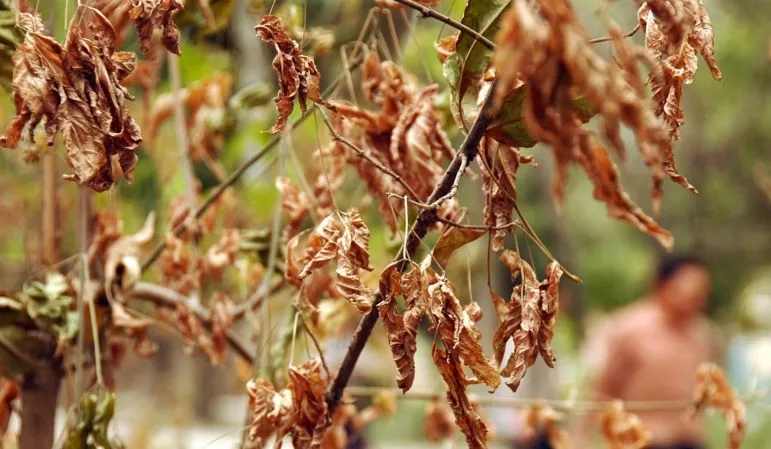
This is all because Vietnam is currently in its dry season, with excessive drought causing underground water sources to dry up. As a result, coffee plants in their flowering season have withered and developed yellow leaves, leading to a significant reduction in Vietnam’s coffee production.
According to the Vietnam Coffee - Cocoa Association, in the first four months of 2024, Vietnam's coffee exports reached 756,000 tons, with a turnover of $2.57 billion. Compared with the same period in 2023, the output increased by 5.4%, the turnover increased by 57.9%, and the average export price reached $3,402 per ton, which was also 49.7% higher than that in the same period in 2023.
However, looking only at the data for April, coffee exports were only 170,000 tons. Although they increased by 3.9% compared with the same period last year, they decreased by 10% compared with March. The turnover in April reached $644 million. Due to the recent crazy price increase, the turnover in April increased by 61.5% compared with the same period last year, and the average export price in April was as high as $3,791 per ton.
Additionally, on other exchanges, most tropical agricultural commodities saw price declines. Cocoa, for instance, was trading at $8,000 per ton, down nearly 14%. This has led some investors and large investment firms to become cautious about investing in soft commodities (cocoa, coffee, and sugar) overall, with many adopting a wait-and-see approach, which has also contributed to the price drops.
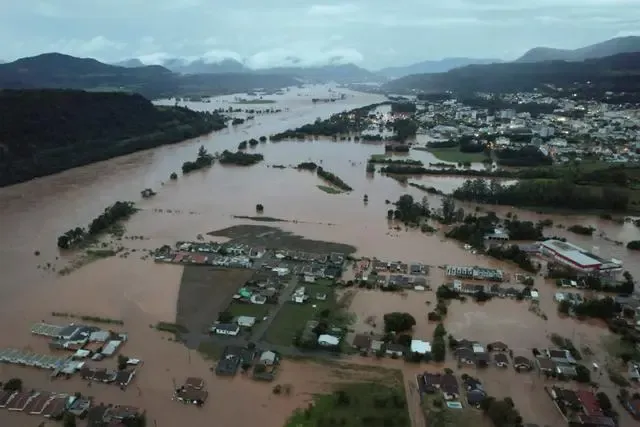
However, global weather conditions remain unstable. Vietnam is still experiencing drought, and Brazil is also facing dry weather, with no rainfall in its main producing regions over the past week. Normally, cold air moves northward from the south into Brazil and triggers rain when it meets a heatwave, but excessive heat has hindered the northward movement of the cold air. Instead, it has caused heavy rainfall in southern Rio Grande do Sul, though the rain is unable to reach central Brazil. As a result, the market remains concerned about future production, and participants are currently adopting a wait-and-see stance.
Related Reading





Comments (0)
Loading comments...
You May Be Interested






Trending Reviews
Popular Videos

With you, wherever you are! We provide useful features to help you find new things you'll love






