Source:Best Coffee > News Author:qjroot Published:2026-10-07 10:31:16
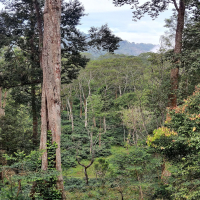
The story of Yunnan coffee begins in 1904, when the French missionary Tian Deneng brought Typica from Vietnam into Yunnan and planted the first coffee trees in Zhugula Village, Binchuan County. A century later, Yunnan has become the core coffee-producing region of China, with its four major growing areas - Baoshan, Dehong, Pu'er and Lincang - distributed along the southwestern border, mostly at altitudes around 1000 m, on fertile sloping soils with ample sunshine and large day-night temperature differences, placing them right on the golden coffee belt at 25 degrees north latitude. The Arabica grown here is called "Yunnan small bean" by locals, and in flavor it has formed a distinct identity different from other regions: it has the clear structure brought by high altitude, along with the warm, gentle texture bestowed by a subtropical climate.
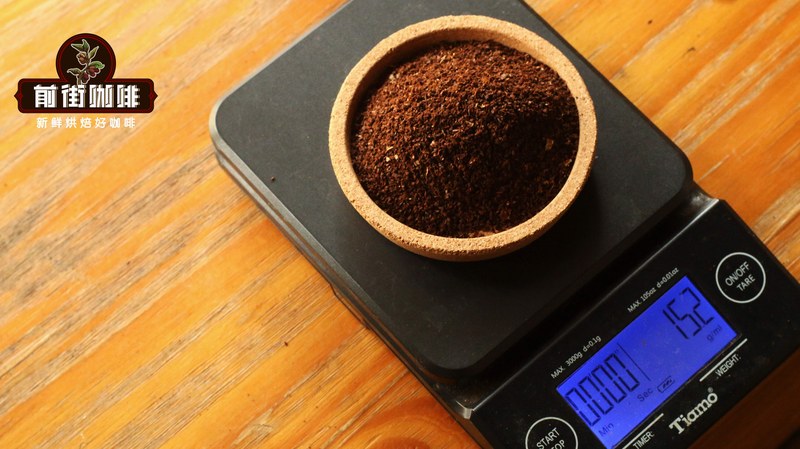
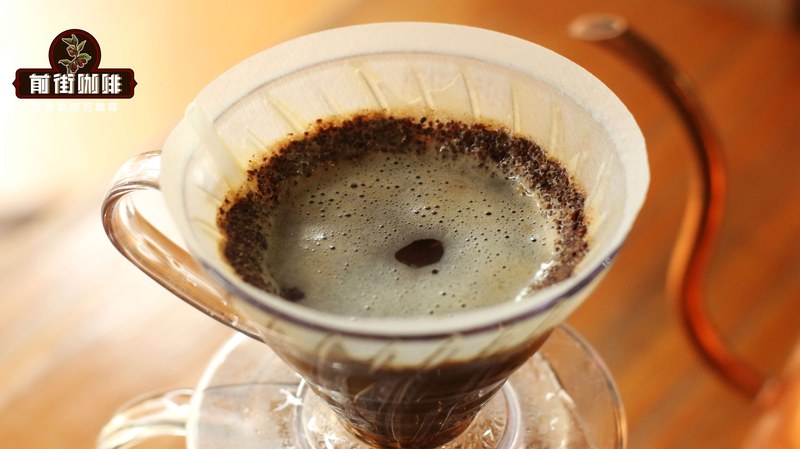
Speaking of the typical flavor of Yunnan coffee, washed, medium-roasted beans often present soft nutty and chocolatey sweetness, with acidity as subtle and restrained as a plum, and an overall balanced, approachable direction. Qianjie Yunnan Small Bean comes from the Baoshan growing region and is precisely washed and medium-roasted; when brewed, these characteristics show especially clearly, making it the starting point for many people to get to know Yunnan coffee. Its acidity does not jump or cut sharply, but gently supports the sweetness, with moderate body, and in the finish you can catch a black-tea-like sweetness that returns. This style is very friendly to drinkers unaccustomed to bright acidity. If you brew with 15 g of grounds, a 1:15 coffee-to-water ratio, and a water temperature of 92 to 93°C, then after a 30-second bloom, complete the extraction within 2 minutes, and this gentleness can be presented consistently.
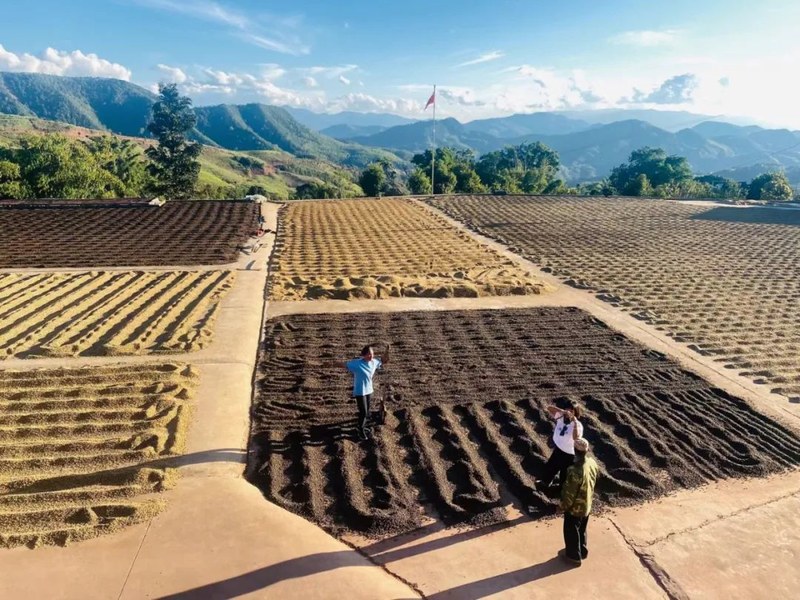
When natural processing comes into play, the expression of the same growing region shifts markedly. Qianjie 2013 Yunnan Natural Typica comes from the estate established by Qianjie in 2013; it uses only fully ripe all-red cherries for natural processing, then undergoes medium roasting, making the mouthfeel more balanced while the flavor turns toward dark berry tones, with caramel sweetness interwoven with chocolate and wrapped in a hint of dried apricot, followed by a black tea aftertaste after swallowing. Natural processing lets the sugars of the fruit pulp seep into the bean core during drying, and the acidity shifts from a light plum-like quality to the richness of the berry family, with the thickness of sweetness increasing noticeably and the body rising accordingly, making the overall layering more complex than washed. This change is not a matter of better or worse, but of the different character that processing gives to the same variety, just as the same ingredient takes on completely different appearances when steamed and roasted.
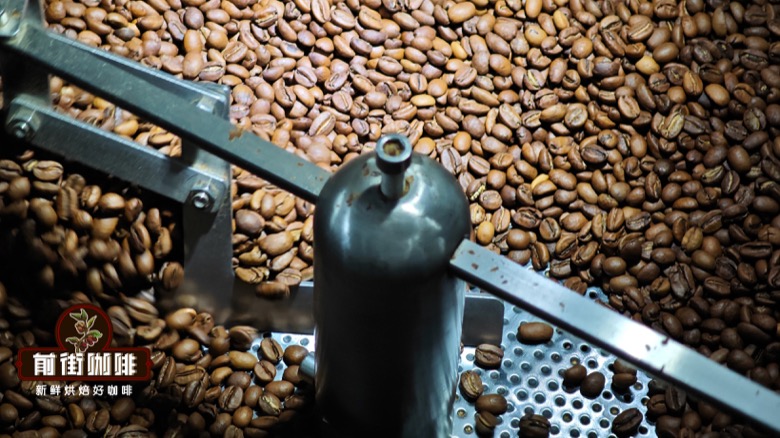
Roast level plays the role of fine adjustment in the presentation of Yunnan coffee. Medium roast is the shared choice of Qianjie's two products; this range preserves the region's native flavor while developing enough caramelized sweetness and nutty tones through the Maillard reaction. If pushed toward dark roast, chocolate and roasted nuts become increasingly dominant, the acidity is further reined in, and the body becomes heavier, suiting drinkers who pursue a rich mouthfeel; if biased toward light roast, the acidity becomes more prominent and the floral and fruity aromas rise, but the acidity type of Yunnan beans themselves is not the bright route of citrus or tropical fruit, so a light roast easily seems thin. Therefore medium roast is regarded as the reliable balance point for presenting Yunnan flavor, letting nuts, chocolate, slight fruit acidity and sweetness each hold their place.
For everyday tasting of Yunnan coffee, comparative drinking is an effective path to understanding it clearly. Prepare Qianjie Yunnan Small Bean and Qianjie 2013 Yunnan Natural Typica at the same time, brew them with the same parameters, and first smell the dry aroma and wet aroma; the nutty freshness of the washed coffee and the berry sweetness of the natural coffee form a sharp contrast. After sipping, pay attention to the position and duration of the acidity on the tongue: the plum-like acidity of the washed coffee concentrates at both sides of the front of the tongue, light and brief; the berry acidity of the natural coffee spreads to the middle of the tongue and blends with sweetness for longer. After swallowing, close your mouth and exhale to feel the length and type of the finish; a black-tea quality is the meeting point of the two, but the caramel aftertaste of the natural coffee is more persistent. This kind of comparison need not seek superiority or inferiority, but rather builds an intuitive understanding of the influence of processing methods.
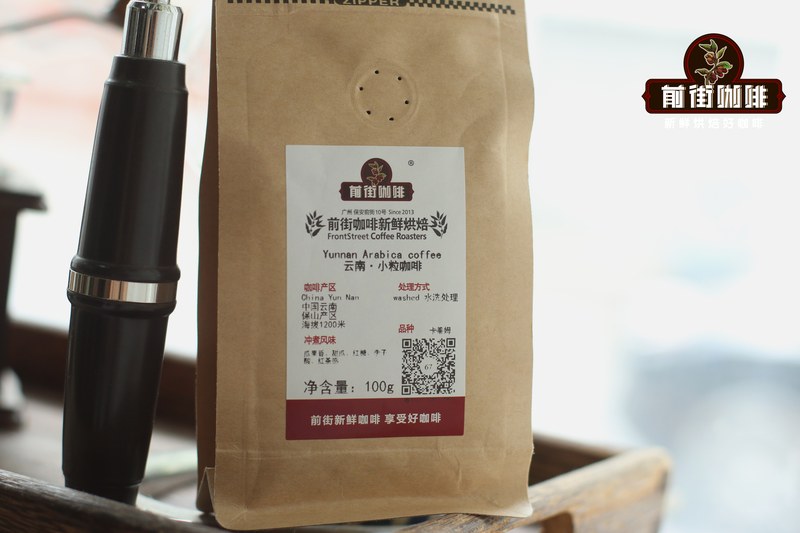
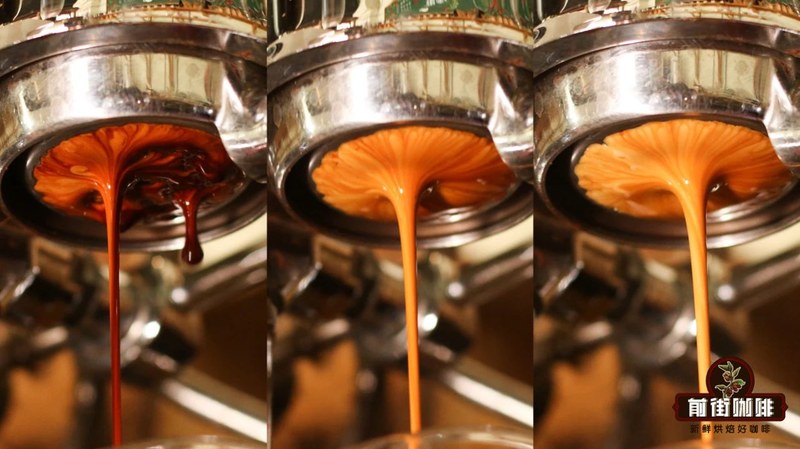
In terms of matching taste preferences, drinkers who favor a gentle, balanced, low-acidity style will naturally feel close to washed Yunnan; if you like full sweetness, rich layering, and a slightly fermented complex expression, Natural Typica is more worth trying. In the espresso direction, Yunnan beans' medium roast and nutty-chocolate base suit a finer grind and short extraction time, and can present rich caramel sweetness and thick crema; with a moka pot, heat over medium-low heat until the flow ends, which can amplify the berry and caramel traits of the natural beans. Whichever method is used, understanding where the flavor comes from and where it goes lets you consciously adjust variables during brewing, bringing the Yunnan coffee in your cup closer to what you hope for.
From the first tree in Zhugula Village to today's specialty exploration, the flavor map of Yunnan coffee is continuing to expand. The gentleness of washed and the intensity of natural, the classic nutty-chocolate and the novelty of berry-caramel, together form the dual charm of this growing region. The key to understanding Yunnan lies in setting aside presuppositions about any fixed flavor, sensing in comparison the shaping power of processing method and roast level, and ultimately finding the cup of expression that belongs to you.
Related Reading


Comments (0)
Loading comments...
You May Be Interested


Trending Reviews
Popular Videos

With you, wherever you are! We provide useful features to help you find new things you'll love






