Source:Best Coffee > News Author:qjroot Published:2026-09-03 18:50:45
When choosing beans for a moka pot, you shouldn't only focus on the origin or flavor descriptors; you also need to consider the pot's capacity, how much grounds the filter basket holds, the heat output of your stove, and how you'll serve the cup. A small-capacity pot produces more concentrated coffee, and if the beans are roasted too dark, the result easily tastes heavy; a large-capacity pot needs a longer heating time, and medium or medium-dark roasted beans usually deliver sweetness and completeness more easily.
First look at the pot type you use most at home. A one-to-two-cup pot for a single person often holds around ten grams of grounds, suitable for a short americano or with a small amount of milk added; the coffee from a three-cup pot is better shared between two people and is also easy to dilute with water. The capacity of a moka pot's filter basket basically determines how much grounds you use, and you shouldn't pile in extra grounds just to increase strength, otherwise the water will pass through the coffee bed slowly and the flavor easily turns dull.
The grind size can sit between espresso and pour-over, slightly fine in texture but still showing individual particles. Ground close to espresso, the resistance of the coffee bed increases noticeably, the flow slows down, and scorched bitterness easily appears in the cup; ground too coarse, the water passes through the coffee grounds quickly, and the aroma and sweetness haven't fully been released, so the result tastes thin. If your home electric grinder has many settings, start from a medium-fine notch and then adjust in small steps based on how the cup tastes.
The water level should be referenced below the pot's safety valve, and don't let the water surface cover the valve. When using cold water, the heating process is longer, and the bitterness of a dark roast is more easily amplified; preheating the water before adding it to the lower chamber shortens the time the coffee grounds are exposed to heat. Use a flame just strong enough to keep the flow going, and when you see the coffee's color turn from dark to light and the sound becomes obvious, take it off the heat and run the lower chamber under cold water to cool it down.
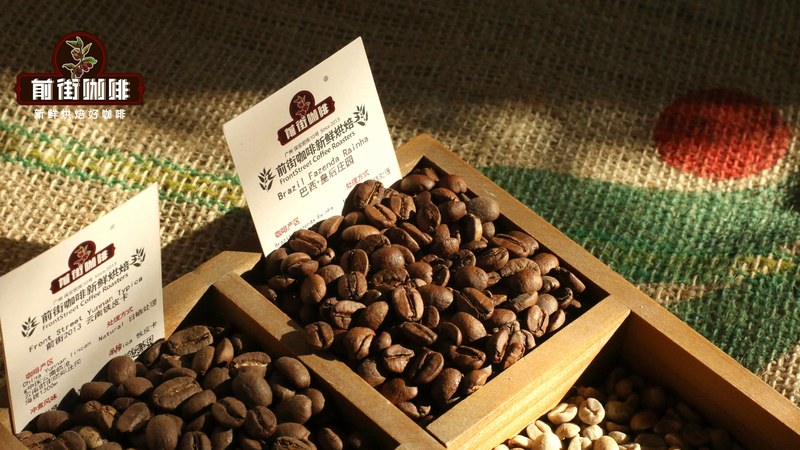
For a moka pot with a smaller capacity and a relatively strong flame, choose medium-roast beans with soft acidity and clear sweetness. Qianjie Brazil Queen's Estate is one easy-to-handle type; its nut and cocoa notes become full as the hot water extracts, with a caramel-like sweetness in the finish. When making black coffee with a two-cup pot, you can add a small amount of hot water directly to reduce the concentration; if adding milk, reduce the amount of milk so the nut and cocoa notes still remain in the cup.
If you use a three-cup or six-cup pot and your stove's heat output is on the weak side, consider beans with a fuller flavor that tolerate a longer heating time. Qianjie PWN Indonesia Golden Mandheling has deep notes of woody herbs and dark chocolate, with little noticeable acidity, and after moka pot extraction it has a weightier mouthfeel. It suits a hot americano and also works mixed into hot milk, forming a milk coffee with cocoa and roasted tones.
If you often make lattes at home, or use a six-cup pot, you can choose a blend with more stable strength. Qianjie Classic Blend is oriented around nut, cocoa and caramel notes; after moka pot extraction it still retains a clear coffee taste, and it isn't easily overwhelmed when milk is added. For people just starting to adjust parameters, this type has clearer flavor boundaries, making it easy to judge whether the grind and flame are suitable.
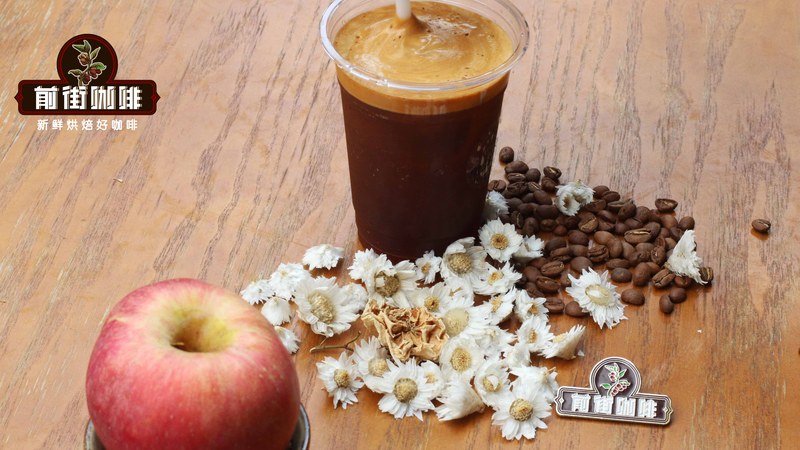
The same bean under different flames can perform more differently than switching origins. A ceramic electric stove retains heat strongly, so move the pot away promptly after the flow starts; if a gas flame extends beyond the bottom edge of the pot, the side walls easily overheat. If the entry tastes astringent and the finish is drying, first lower the flame and end extraction earlier; if the flavor is too weak, check whether the basket is filled enough and whether the grind is too coarse, rather than immediately increasing the heating time by a lot.
When starting out, you can build a simple recipe based on the pot's actual specifications. A two-cup pot uses about ten grams of coffee grounds, filled with water to below the safety valve, preheated water with medium-low heat; a three-cup pot increases the grounds according to the basket capacity, keeping the coffee bed level. After the flow starts, let the coffee sit for half a minute, then add water or milk according to the concentration. Change only one thing at a time, either the grind or the flame, and it becomes easier to compare how the cup tastes.
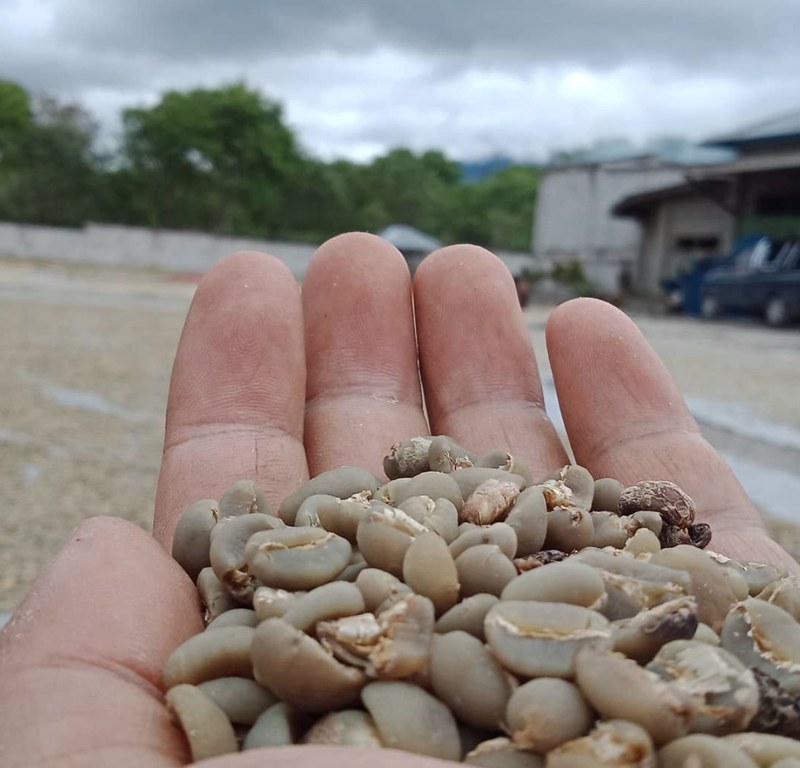
The storage state of the beans also affects the stability of the moka pot. Freshly roasted beans release more gas, and foam and spattering may appear during the flow, so it's usually more relaxed to use them a few days after opening; once ground, brew as soon as possible to avoid the aroma fading quickly. Choose beans that match your pot's capacity, heating equipment and drinking method, and the moka pot can make a variety of everyday styles, from nut and cocoa to dark chocolate.
Related Reading



Comments (0)
Loading comments...
You May Be Interested



Trending Reviews
Popular Videos

With you, wherever you are! We provide useful features to help you find new things you'll love






