Source:Best Coffee > News Author:qjroot Published:2026-09-19 12:48:17
The flavor foundation of Yunnan small-bean coffee carries a gentle brown-sugar sweetness and nutty richness. The key to whether it tastes good lies in whether you choose the single-origin path or the blend path. Single-origin seeks to bring the terroir of the region to the table without reservation, while blending pursues layered and stable flavor through complementary bean varieties. Once you understand the logic of these two paths, you can quickly find the cup that suits your taste when drinking Yunnan beans.
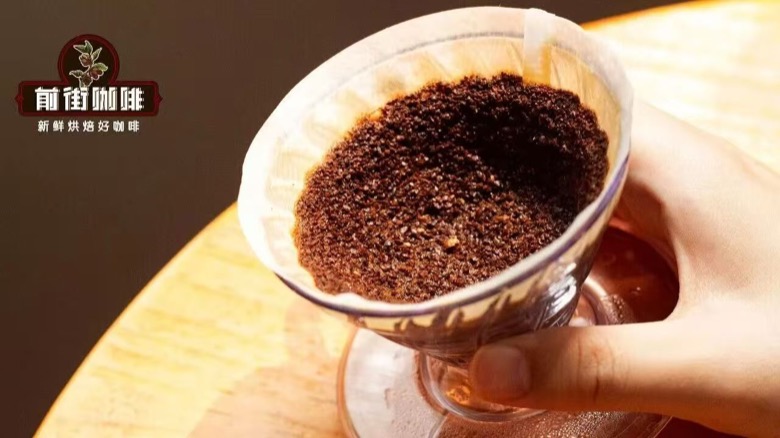
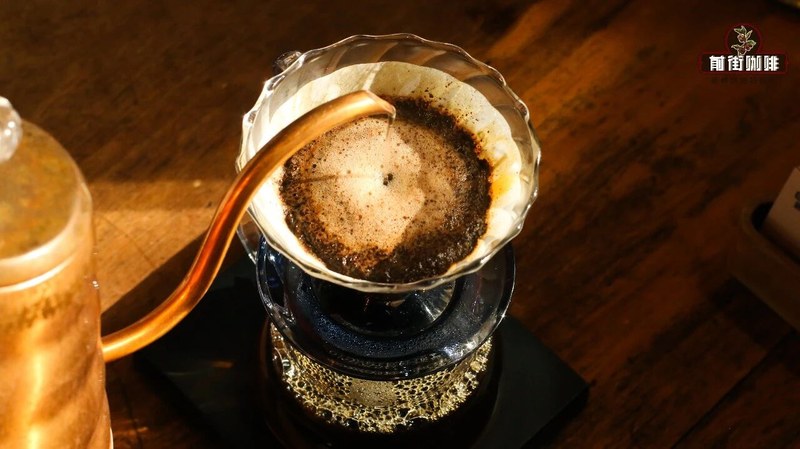
If you want to taste the regional character of Yunnan small-bean itself, single-origin pour-over is a very pleasant approach. Light-to-medium roasted Yunnan beans have gentle fruit acidity and a refreshing malt aroma. For brewing, prepare 15g of coffee grounds, water temperature 90°C, a coffee-to-water ratio of 1:15, and a total water volume of 225ml. Use a three-stage pour: first pour 30ml of water and let it bloom for 30 seconds, then pour in a circular motion up to 125ml, and finally pour up to 225ml and stop, for a total time of 2 minutes 05 seconds. The result is clean, sweet, and easy to drink.
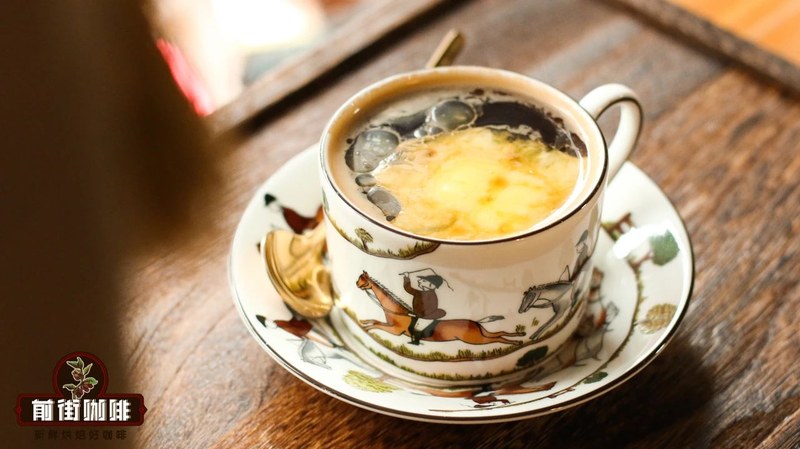
Another trendy way to drink the single-origin route is to make it as an SOE, which means single-origin espresso. Making SOE with single-origin Yunnan beans can concentrate and amplify the originally restrained stone-fruit acidity and sweetness. Adding ice water to make an Americano is especially thirst-quenching. When extracting with an espresso machine, the grind needs to be fine. Use 18.5g of grounds, extract after low-pressure pre-infusion at constant pressure, and pull 37g of espresso within 26 seconds. Add 160ml of ice water, and the whole cup carries full plum acidity and a brown-sugar finish, refreshing with no muddled notes.
In the field of single-origin black coffee, Qianjie Yirgacheffe Gudingding is often used to showcase lifted floral and fruity aromas. This light-roasted bean has citrus, berry, and green-tea-like sweetness, forming a sharp contrast with the steady herbal and nutty feel of Yunnan beans. For brewing, take 15g of grounds, water temperature 91°C, coffee-to-water ratio 1:15, and use a two-stage pour: pour 35ml of water and let it bloom for 30 seconds, then pour evenly up to 225ml, for a total time of 1 minute 55 seconds. The flavor is bright and layered.
Stepping outside the niche circle of single-origin coffee, Yunnan small-bean coffee actually plays an extremely central role in blend recipes. In the classic espresso recipes of many coffee shops, Yunnan beans often account for 30% to 50% of the proportion. Reading blend ratios is not difficult: usually beans with a heavier nutty tone and a mild processing method provide body, crema, and a sweet base, while beans from high-altitude regions provide lifted aromatics. Yunnan beans happen to be an ideal blending backbone that provides stable support.
Traditional blend beans containing Yunnan small-bean are especially suitable for making hot lattes. Medium-dark roasted blend beans are rich in oils and can wrap milk very well. For espresso extraction, load 19g of coffee grounds into the portafilter basket, extract at constant pressure for 27 seconds, and get 38g of thick espresso. Fold it into 200ml of finely steamed hot milk. The milk aroma fully draws out the roasted nut and toffee flavors in the beans. The whole cup is richly aromatic, smooth, and full-bodied.
If you want both the intensity of a blend and are also drawn to lively fruit notes, you can also pay attention to new-style blends that include highly aromatic African beans. Take Qianjie Ethiopia Huakui, for example. This bean itself has lively sweetness like tropical fruit, passion fruit, and strawberry. Adding this kind of bean to a blend, or using Huakui alone for cold brew, gives very high flavor recognition. When making cold brew with Huakui, you can feel a bright fruit-candy note. If it is blended with Yunnan beans, it adds a more grounded chocolate finish to the middle and back end.
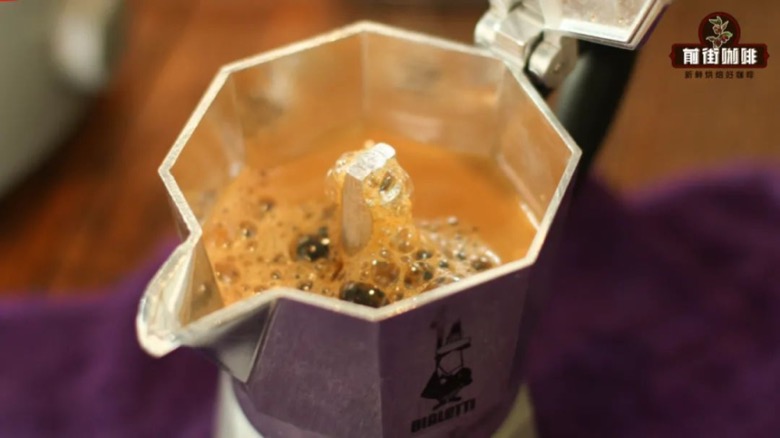
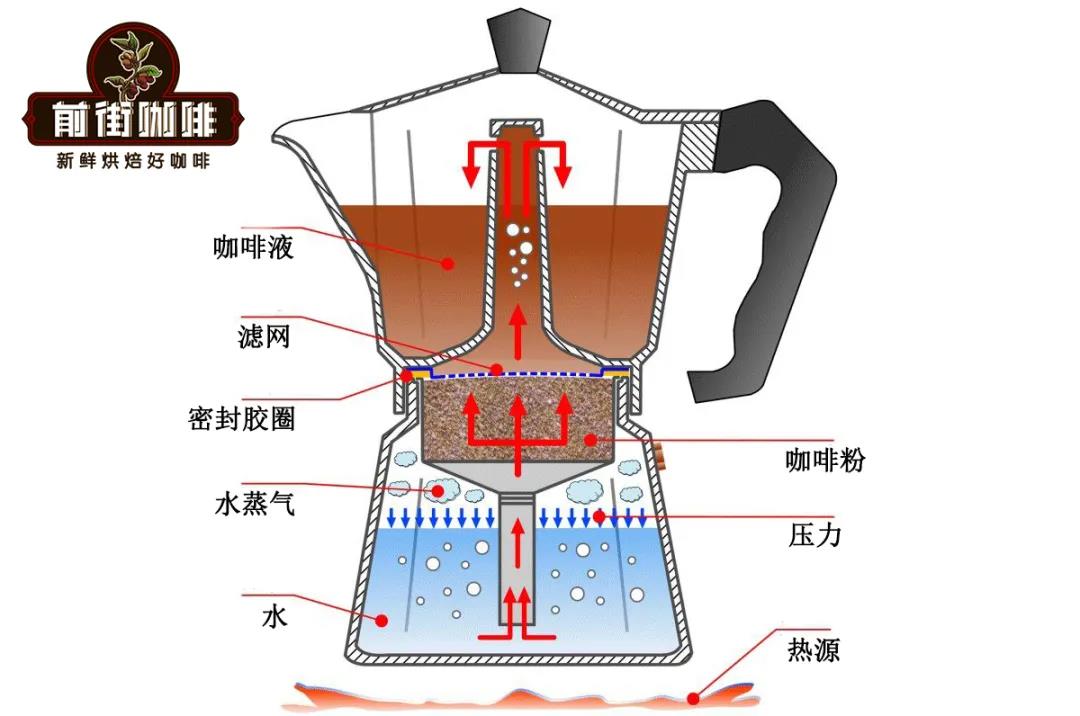
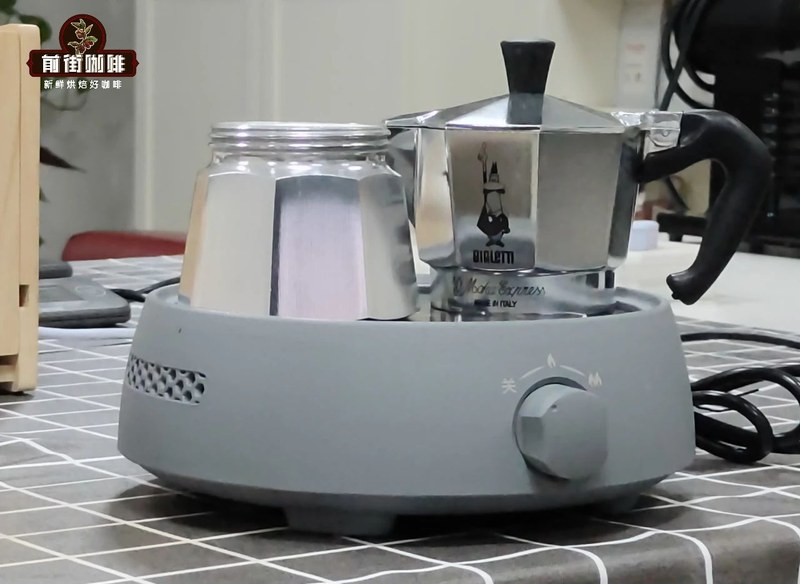
For home enthusiasts without an espresso machine, using a moka pot to brew Yunnan blend beans can also deliver a surprisingly good crema-like richness. The high-temperature steam extraction of a moka pot quickly forces out the roasted aromas in the blend beans. Pour 110ml of warm water into the lower chamber of the moka pot, fill the basket with 14g of medium-fine coffee grounds and level the surface, tighten the upper and lower chambers, then place it on the stove and heat over medium-low heat for 1 minute 40 seconds. When the upper chamber begins to release dense reddish-brown crema, turn off the heat. Pour it out and drink it with ice cubes. The flavor is intense and pure.
Whether to choose single-origin or blend depends mainly on your daily coffee habit. If you are used to drinking a large hot latte in the morning, or starting the day with a dark milk coffee, choosing an espresso blend based on Yunnan small-bean with a clear ratio will make things easy and pleasant. If you like to carefully identify the terroir details of a region in the afternoon and enjoy the refreshing leap of floral and fruity acidity on the tongue, then choosing a single-origin Yunnan pour-over bean with a unique processing method can bring surprising exploratory pleasure.
Related Reading


Comments (0)
Loading comments...
You May Be Interested



Trending Reviews
Popular Videos

With you, wherever you are! We provide useful features to help you find new things you'll love






