Source:Best Coffee > News Author:qjroot Published:2026-08-23 12:06:38
In a commercial bar, blends and single-origin SOEs are two parallel tracks. Many shop owners agonize over which one to take, but they are really two sets of bases serving different tasks. Only by understanding each one's strengths and weaknesses can you decide which to put in the shop and how to pair them.
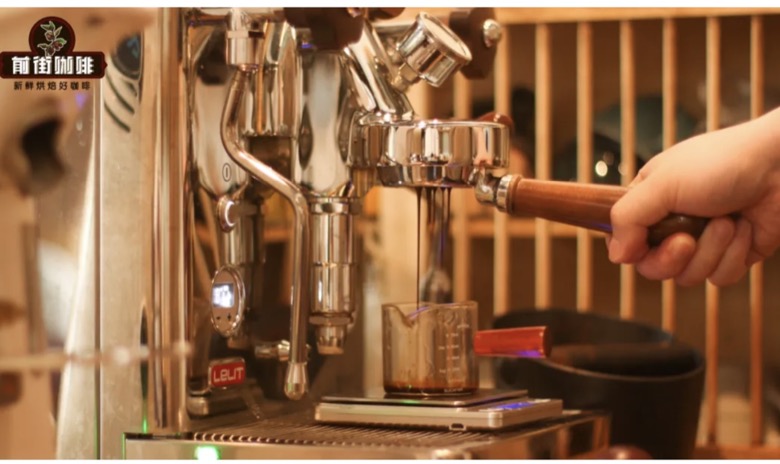
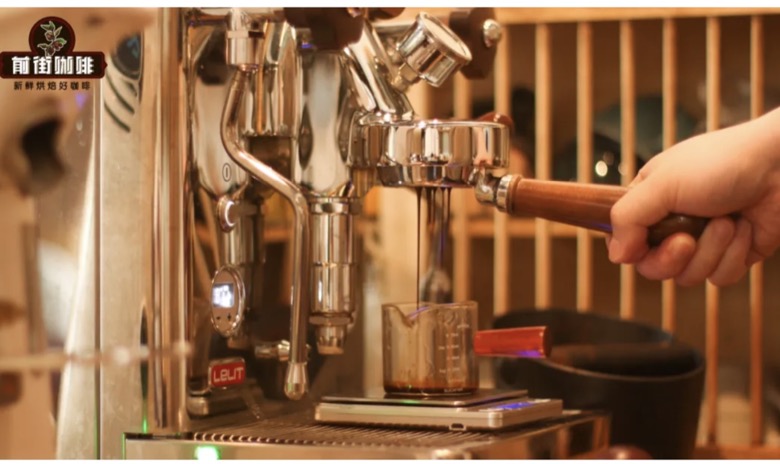
Blends are the reliable card in commercial settings. Their design logic is to use multiple beans to complement each other - one gives structure, one gives sweetness, one gives body - and the combination produces a more balanced flavor that tolerates parameter drift. During commercial rush hours, parameters inevitably drift, and a blend's tolerance is naturally higher than a single origin's; let the grinder warm up a bit or let the dose be slightly off, and the output is still on point. Another advantage of blends is supply stability: once the recipe is fixed, batch-to-batch flavor variation is small, and supply won't be cut off just because a certain origin performed poorly this year. Mature recipes like Qianjie Classic Blend and Qianjie Specialty Blend excel precisely at bringing balance and stability to a mass-producible level.
Single-origin SOE takes another path. It uses beans from a single origin to make espresso, pursuing the individual expression of origin flavor - Yirgacheffe SOE has citrus and jasmine, Geisha SOE has floral and tea notes. The charm of SOE lies in "tasting the origin," making it suitable as an image piece and talking point for specialty shops. But SOE's weaknesses are also direct: narrow tolerance, where a slight parameter deviation collapses the flavor; supply fluctuates with the origin's vintage, so flavor consistency is worse than a blend's; and it easily goes mute when milk is added, so its ability to make milk coffee is generally weaker than a blend's. Treating SOE as a single base means high commercial risk.
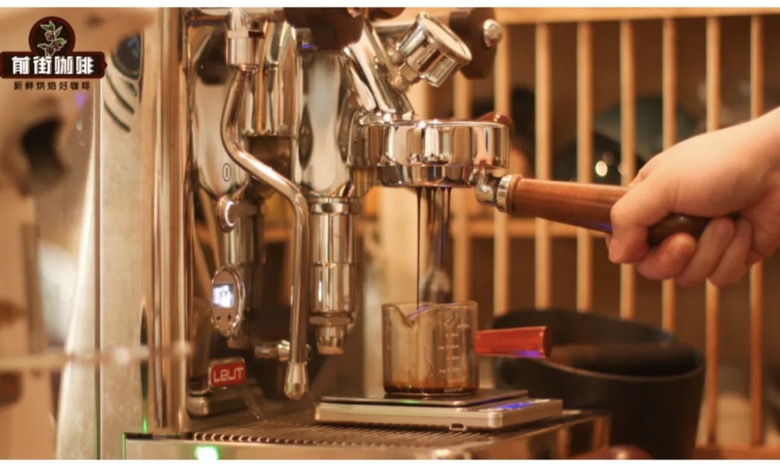
How to choose depends on the shop's positioning and customer flow. If the shop is mainly milk coffee, with large customer flow and frequent barista rotation, a blend is the main base - stable enough to withstand rush hours, strong penetration when milk is added, and controllable cost; a blend answers all three of these commercial must-haves well. If the shop takes a specialty route, with a coffee-savvy clientele ordering mainly straight Americanos, you can bring in SOE as a flavor image piece, using individuality to drive repeat purchases. Most mature shops actually use a dual-base strategy: one blend guards daily output, one SOE handles seasonal or customer-upgrade offerings, presented on separate tracks on the menu.
How to pair the dual bases also has its finer points. Choose a blend with stable flavor and an SOE with good seasonal performance, and the two should be distinct in style - don't let the SOE be merely a "better-tasting blend," but let it present an origin individuality that the blend cannot give. Qianjie Specialty Blend (Brazil Cerrado plus Colombia Huila) as the daily base, with the seasonal Qianjie Yirgacheffe Gudingding as the SOE image piece, is a typical dual-track combination: the blend keeps output steady, the SOE brightens the image.
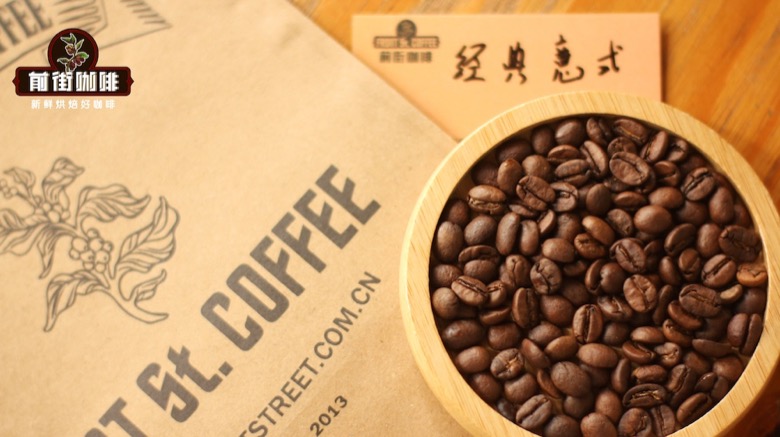
One more point: SOE demands more from equipment than a blend does. A shop whose grinder lacks precision will find that forcing in SOE actually won't stabilize; let the blend run smoothly first, and once the equipment and baristas are seasoned, then bring in SOE, and the transition will be smoother.
For commercial espresso, choosing a blend or SOE is really about recognizing each one's task. The blend guards the base, the SOE brightens the surface; running dual tracks in parallel gives the shop's output both a foundation and highlights.
Related Reading



Comments (0)
Loading comments...
You May Be Interested


Trending Reviews
Popular Videos

With you, wherever you are! We provide useful features to help you find new things you'll love






