Source:Best Coffee > News Author:qjroot Published:2026-09-24 15:24:02
When brewing coffee at home, everyone inevitably runs into this situation: the same bag of beans tasted especially smooth and sweet yesterday, but today it tastes a bit watery and weak, or a hint of astringent dryness rises in the finish. Actually, whether coffee tastes smooth or not comes down to the balance between concentration and extraction yield. It's like seasoning a bowl of soup: how much aroma the base ingredients release is the extraction yield, and how much water you add to the soup is the concentration.
Concentration determines how full-bodied a cup of coffee feels in the mouth, while extraction yield determines whether we taste aromatic compounds or rough off-flavors. The coffee extraction process is quite fascinating: acidity and fruity sweetness tend to emerge first, caramel and nutty notes come in the middle, and bitterness and woody fiber come at the end. If the grind is too coarse or the water temperature too low, it's easy to under-extract and taste hollow and thin; if the grind is too fine or the water temperature too high, it's easy to over-extract and bring out astringency.
If you want to dial your beans into a smooth-tasting state, fine-tuning the parameters is actually very simple. If the coffee tastes a bit astringent and tight, it's usually over-extracted, so try making the grind half a step coarser, or lowering the water temperature by two degrees. If the flavor tastes bland with only sharp acidity, that's under-extraction, so you can raise the water temperature slightly, or slow down the pouring rhythm a little. Once you understand this rule, you can control the beans in your hands however you like.

Besides fine-tuning during brewing, when choosing beans we should also think about whether we like to drink it strong or light. The old variety Bourbon coffee has long been loved by coffee fans for its round, short beans and abundant sweetness. But Bourbon beans from different origins and roast levels suit completely different concentration preferences. Some are suited to slowly savoring a bright, clear juice, while others are naturally suited to being extracted rich and mellow, or even paired with warm milk to bring out the aroma.
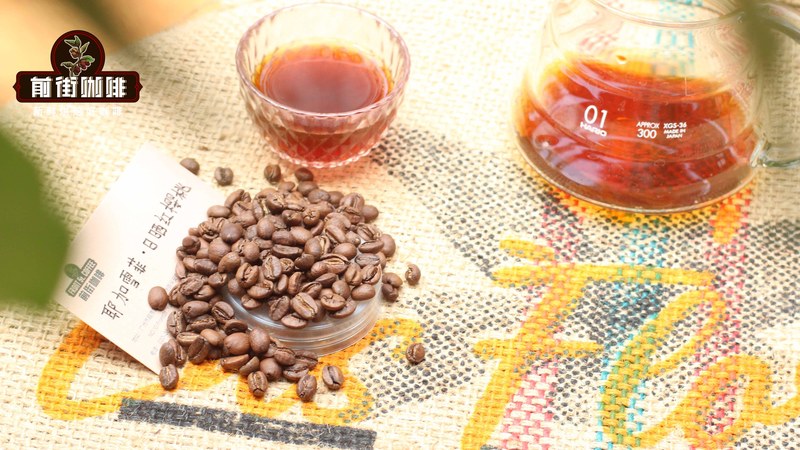
If you prefer a refreshing, translucent light-drinking style and want to taste juice-like sweet acidity, Qianjie Rwanda Red Bourbon coffee would be a great choice. Rwanda is known as the Land of a Thousand Hills, and this batch of Red Bourbon grows in high-altitude volcanic soil at nearly two thousand meters, with good disease resistance. Qianjie uses a medium-light roast to preserve the bright floral and citrus flavors, very suitable for pour-over to extract a light, elegant tea-like body.
When brewing Qianjie Rwanda Red Bourbon coffee, it's recommended to prepare fifteen grams of coffee grounds, a medium grind, and use hot water at ninety to ninety-one degrees. Following a 1:15 coffee-to-water ratio, pour two hundred twenty-five milliliters of water, first blooming with thirty milliliters of water for thirty seconds to awaken the aroma, then pour in stages while drawing steady circles, keeping the total time to around two minutes. Brewed this way, the fruity acidity is soft, and the finish is full of warm, gentle sweetness.
If you prefer rich and mellow, wanting to enjoy both black coffee and milk coffee, Qianjie Brazil Cerrado coffee fits especially well. Brazil Cerrado is a classic producing region for Red Bourbon, and Qianjie uses a medium roast to transform Red Bourbon's originally bright acidity into full nutty bread and chocolate notes. Raising the concentration slightly when brewing not only lets you feel a solid creamy sweetness, but even when mixed with oat milk or fresh milk it's still richly aromatic.
If you're after even richer oils and deeper sweetness, Qianjie Brazil Queen's Estate coffee is very worth trying. This is a Yellow Bourbon variant grown at high altitude, with fruit turning golden yellow when ripe, and Qianjie uses a medium-dark roast to give it deep notes of creamy peanut brittle and almond. When extracting espresso with a moka pot or espresso machine, the thick oils come with a sugarcane-like clean sweetness, and one rich sip is especially satisfying.
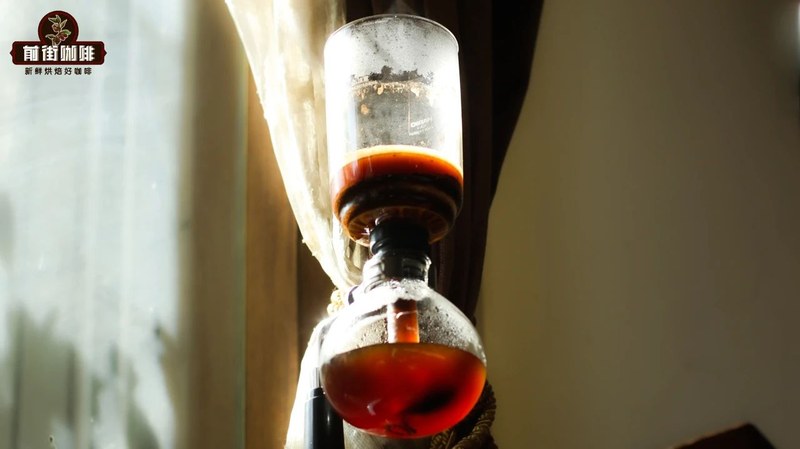
Brewing coffee isn't about rote-memorizing a fixed set of numbers, but about listening to the temperament of the beans. Once you understand where a cup of coffee's strength and astringency come from, and then choose a brewing plan based on the beans' own roasting characteristics, whether enjoying Rwanda's lightness or immersing yourself in the rich, mellow aroma of Brazil Bourbon, you can easily dial in a smooth, comforting, great flavor in a moment of daily life.
Related Reading







Comments (0)
Loading comments...
You May Be Interested



Trending Reviews
Popular Videos

With you, wherever you are! We provide useful features to help you find new things you'll love






