Source:Best Coffee > News Author:qjroot Published:2026-08-21 17:02:35
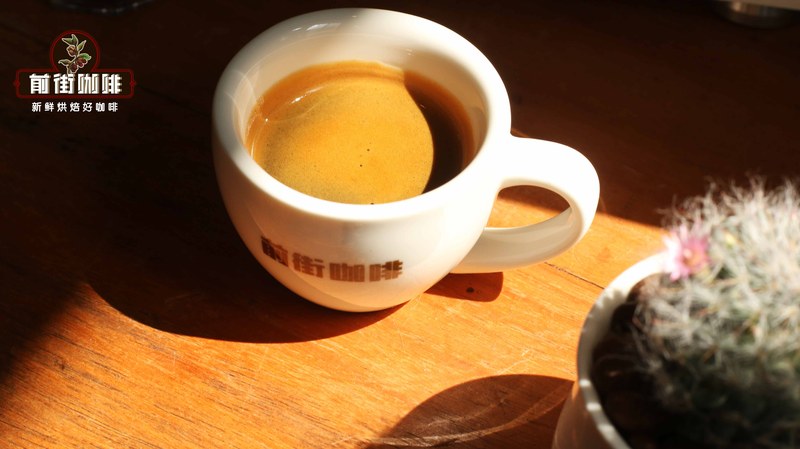
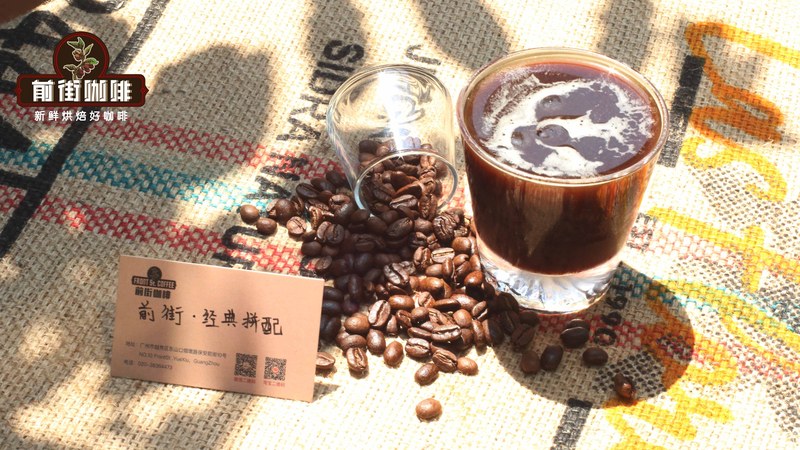
SOE is making espresso with single-origin Arabica beans, with a distinct flavor personality, and it is the direction many enthusiasts take as they advance. But SOE demands more from extraction than blend beans do; the extraction window for single-origin beans is narrow, and if the parameters are not dialed in well, it easily turns out sharply sour or thin and bland. Master a few key extraction points, and the good taste of SOE can be presented consistently.
First, set the grind size. The grind size for SOE usually needs to be a bit finer than for blend beans, because single-origin beans have a high flavor density and need fuller extraction to bring the flavor out completely. But the grind size cannot simply be as fine as possible; too fine easily causes over-extraction, and the espresso turns bitter and astringent. It is recommended to use a shot time of twenty to thirty seconds as a reference, start from the middle value, and if the shot flows too fast, grind finer; if too slow, grind coarser, adjusting only one variable at a time.
Next, look at dose and water temperature. The dose is set according to the capacity of the home machine's portafilter basket, kept stable at a fixed value for easy comparison and adjustment. As for water temperature, the extraction water temperature for single-origin beans is generally slightly lower than for blend beans, around ninety degrees, to avoid high heat scattering the delicate floral and fruity aromas; if the beans are on the lighter roast side, the water temperature can be appropriately higher to help extract fully.
The extraction ratio is also worth attention. A common ratio for SOE is about one to two for espresso, that is, one part dose yields two parts liquid. If you like bright acidity, you can appropriately shorten the extraction, retaining more of the upfront fruity acidity; if you like a mellow sweetness, then slightly extend the extraction, letting the sweetness release more fully. Every time you adjust the ratio, record the flavor changes and find the extraction range this bean prefers.
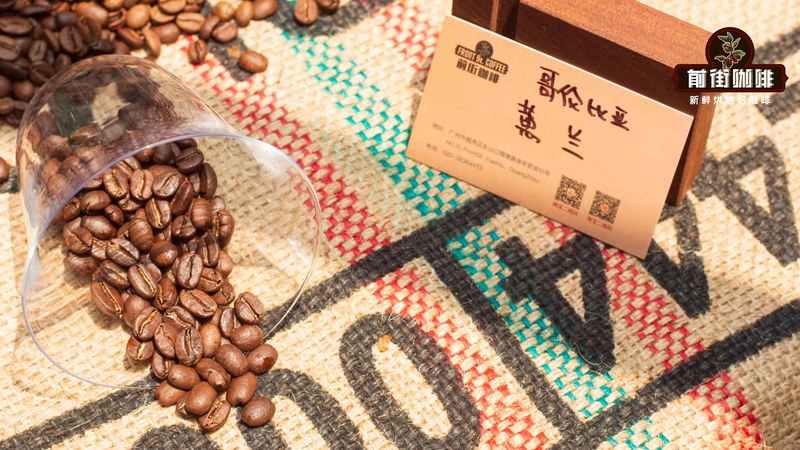
Bean selection is half the success of SOE. Beans with plenty of sweetness and mild acidity are easier to pull into a good taste. Qianjie Brazil Queen Estate has prominent nut and cocoa aromas, with obvious caramel sweetness; when made as SOE, the sweetness is stable and the mouthfeel is smooth. Qianjie Colombia Sidra Double Anaerobic Natural, when made as SOE, has prominent passion fruit and blueberry juiciness, balanced acidity and sweetness, and obvious fruity aromas. If you want delicate floral aromas, Qianjie Yirgacheffe Gutingting made as SOE has clear citrus and berry flavors with soft acidity.
Finally, there is resting and freshness. SOE is sensitive to bean freshness, and the resting period must be adequate; after the espresso beans arrive, let them degas for a few days so the flavor stabilizes; after opening, store them sealed, and the flavor state is good if drunk within a week. With good freshness, the aroma and sweetness of SOE are guaranteed.
SOE extraction is essentially the running-in of parameters and beans. Grind, dose, water temperature, ratio, carefully adjust every variable and record the suitable state of this bean on a home machine, and espresso will change from "relying on luck" to "being sure." The flavor world of Arabica SOE is worth exploring slowly.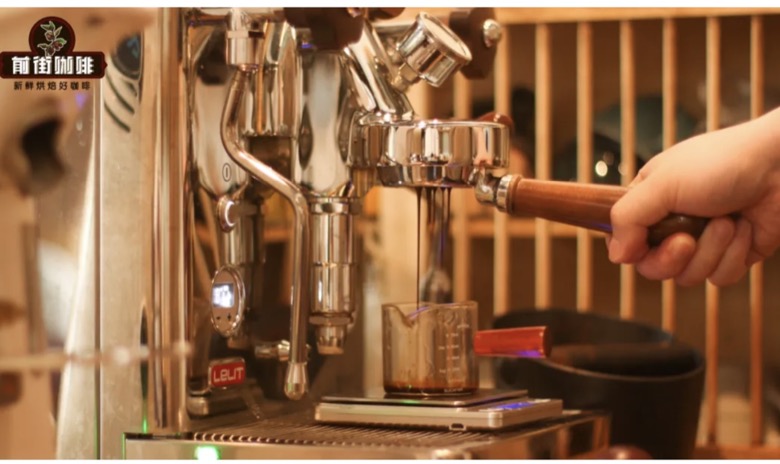
Related Reading
Comments (0)
Loading comments...
You May Be Interested

Trending Reviews
Popular Videos

With you, wherever you are! We provide useful features to help you find new things you'll love






