Source:Best Coffee > News Author:qjroot Published:2026-09-07 11:42:20
Round, sweet-scented beans often become fuller-bodied when brewed in a moka pot; beans with spice and dark chocolate notes tend to show a heavy, long-lasting finish. When choosing single-origin beans for a moka pot, you can treat their pour-over performance as a flavor draft, then refer to the concentration limits of espresso extraction to find the bean's comfortable range under high temperature, shorter time and limited pressure.
Pour-over uses more water, making it suitable for observing whether the aroma is clean and whether the sweetness persists; espresso relies on about 9 bar of pressure and can test whether the beans turn excessively bitter at high concentration. A moka pot usually has only about 1 to 2 bar of pressure, so it can neither copy the coarse grind of pour-over nor use espresso-fine powder directly. When selecting beans, types with solid sweetness, soft acidity and a certain fullness are easier to dial in for a complete cup.
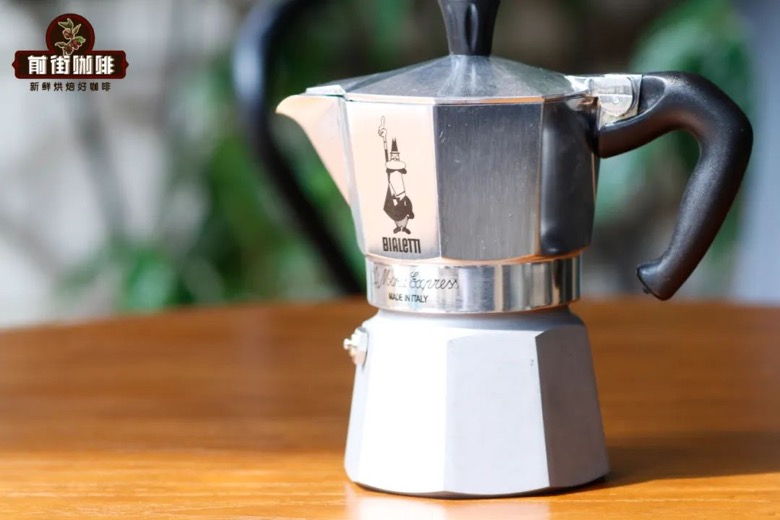
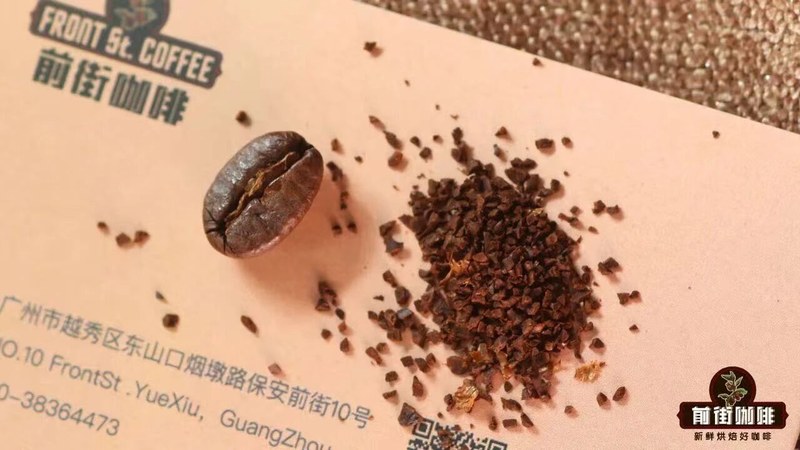
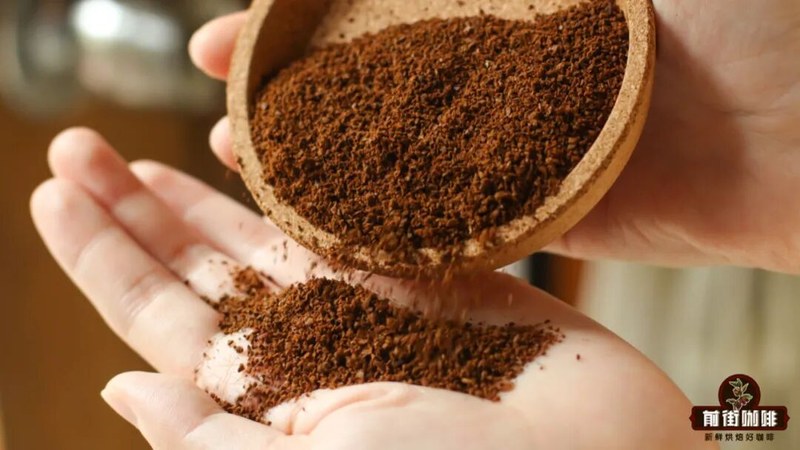
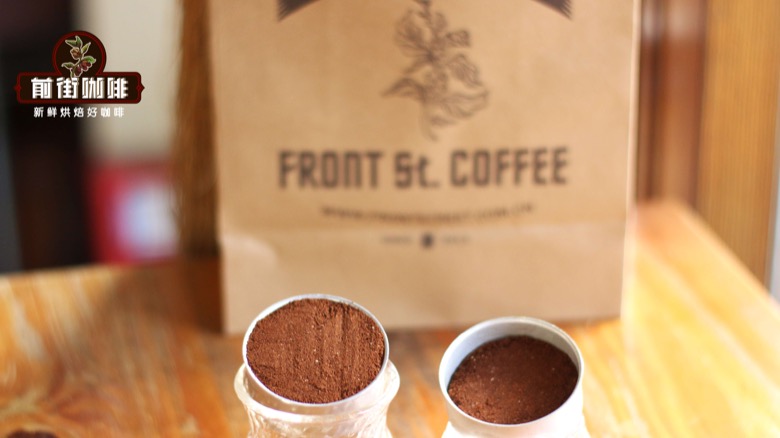
Best Coffee Papua New Guinea Bird of Paradise suits those who prefer a gentle style. Its aroma is not assertive, and the entry brings mild cane sugar sweetness, a slight nuttiness and a clean finish, staying smooth even after cooling. For a three-cup moka pot, prepare about 15 to 17 g of coffee powder according to the actual capacity of the filter basket, grind close to fine granulated sugar, use hot water at about 85 to 90°C in the boiler, and heat over medium-low heat.
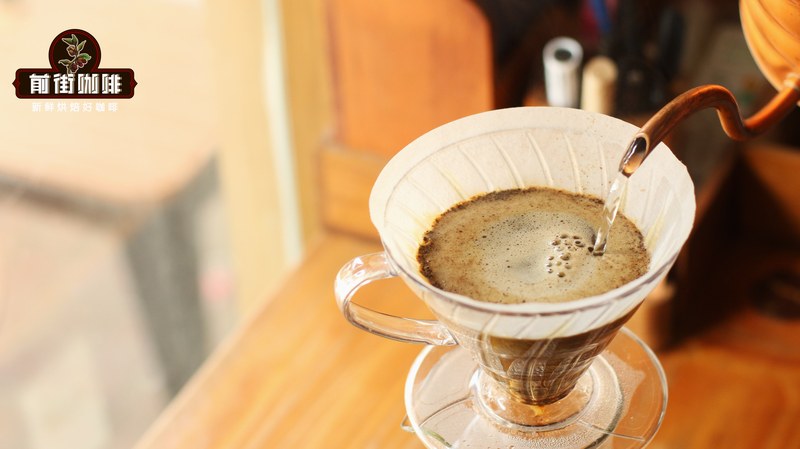
If Bird of Paradise is switched to pour-over, start with 15 g of powder and 240 g of water, set the water temperature at 90 to 92°C, use a medium grind, and keep the total time at 2 minutes 20 seconds to 2 minutes 50 seconds. For an espresso machine, use 18 g of powder to extract 40 to 45 g of coffee liquid, running for about 25 to 30 seconds at 9 bar, so that the soft sweetness appears earlier than the bitterness.
Back to the moka pot, Bird of Paradise is suitable for retaining a relatively complete yield, without deliberately pursuing thickness. When the flow turns from dark brown to light gold, remove it from the heat source and wrap the lower chamber with a wet cloth to help cool it down. If the aroma in the cup is clear but the body is on the light side, you can tighten the grind slightly; if the finish feels a little tight, you can coarsen it by half a notch and reduce the liquid entering the upper chamber in the later stage.
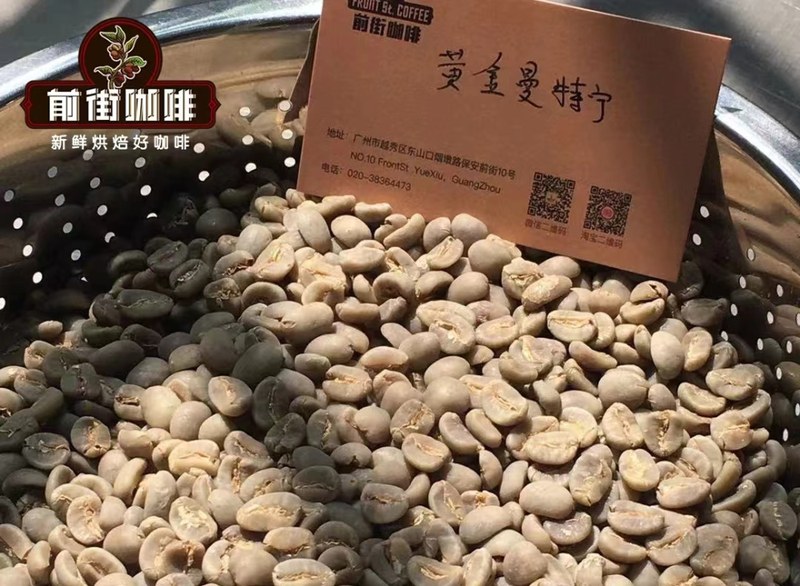
Best Coffee PWN Indonesia Golden Mandheling presents another direction. It carries woody spice, dark cocoa and caramelized sweetness, with a thicker mouthfeel and acidity in the background. The moka pot further concentrates its steady tone, giving a distinct sense of weight when drunk straight; after adding a small amount of hot water, the layers open up more, and it is also suitable for mixing into a small volume of warm milk.
When making Golden Mandheling, you can use the moka pot's rated water level, lower the starting water temperature to 80 to 85°C, and grind slightly coarser than Bird of Paradise. After the coffee powder falls into the filter basket, tap the pot body lightly so the powder surface is naturally even. Do not let the flame extend beyond the edge of the pot bottom; after seeing the liquid column rise steadily, lower the heat, and finish heating before a large amount of light-colored foam appears, which is more conducive to retaining cocoa sweetness.
For pour-over Golden Mandheling, use a 1:15 coffee-to-water ratio, a water temperature of about 88 to 90°C, a medium-coarse grind, and reduce high-water-level washing; the cup will be rounder and fuller. In an espresso machine, 18 g of powder can correspond to 34 to 38 g of liquid weight, with pressure set at 8 to 9 bar and extraction for about 24 to 28 seconds; the shorter ratio helps retain a viscous texture.
Pressure differences determine that the grind cannot be copied directly across brewers. After espresso-fine powder is placed in a moka pot, water flow resistance increases rapidly, and the burnt bitterness of dark-roasted beans is more easily amplified; if the pour-over grind size is used directly, the coffee liquid may lack sweetness and support. A practical way to position it is to move from the espresso setting toward coarser, then observe whether the flow can enter the upper chamber continuously and steadily.
When adjusting, you can judge around the entry, middle and finish. If the entry seems short and the sweetness has not yet unfolded, you can slightly tighten the grind or raise the starting water temperature; if the middle is rich enough but the tongue feels dry, you can lower the heat and finish collection earlier; if the aroma is right but the concentration is too high, adding hot water to the cup makes it easier to maintain cleanliness than extending the moka pot yield. Recording the powder amount, temperature and collected liquid each time also makes reproduction easier.
If you want the moka pot to perform smoothly and cleanly while also being suitable for pour-over drinking, you can establish parameters from Bird of Paradise; if you prefer thick cocoa, spice and understated acidity, Golden Mandheling will provide a more distinct espresso-like feel. The bean's flavor determines the adjustment direction, while the brewer determines the parameter boundaries. By coordinating grind, water temperature, heat and stopping time, a bag of single-origin beans can show different faces across three brewing methods.
Related Reading


Comments (0)
Loading comments...
You May Be Interested

Trending Reviews
Popular Videos

With you, wherever you are! We provide useful features to help you find new things you'll love






