Source:Best Coffee > News Author:qjroot Published:2026-10-11 14:18:13
I run my own shop and also help friends review their menus, and I've found that chain coffee's takeaway and delivery lines are often underestimated. A milk coffee may take twenty minutes from being served to reaching the customer's hands, and during that time the milk and coffee liquid are still continuously integrating, so beans with too delicate a flavor fall apart on the way. So when I put together takeaway menus for chain stores, I first think clearly about how that journey should be factored in.
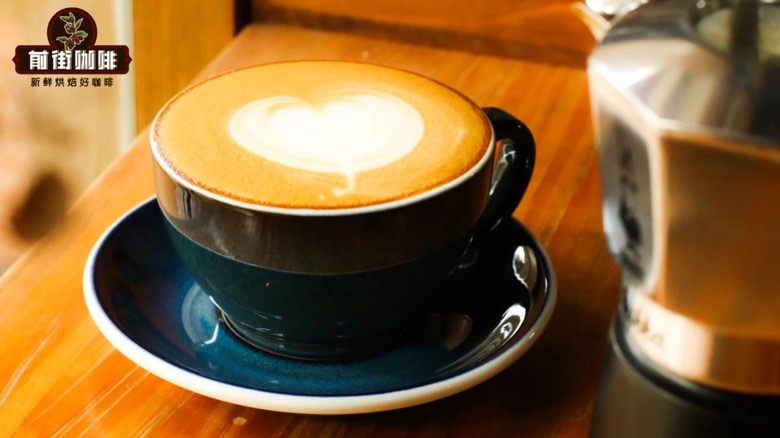
For takeaway milk coffee, I'm used to using a blend with a stable structure and solid body as the base. Qianjie Commercial Blend fits this approach very well: Colombia and Brazil with a small amount of Robusta, medium-dark roasting brings aromas of nuts, cocoa and caramel, rich oils with good flow, low acidity and full body, and the flavor framework is still there after being jostled on the road. Qianjie Specialty Blend is the advanced choice: washed Colombia with semi-washed Brazil, also medium-dark roasted, with flavors of nuts, dark chocolate and caramel carrying a touch of pleasant bittersweetness, and after integrating with milk the sweet aroma rises, making it suitable as the main force for the daily staple tier of chain stores with quality requirements.
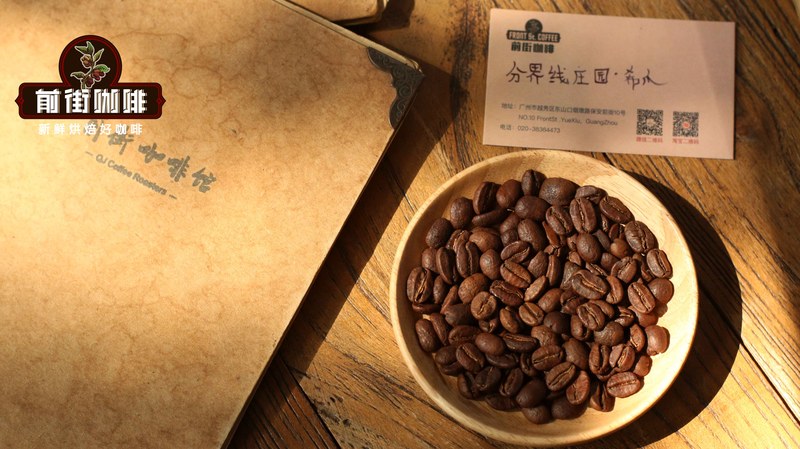
Iced drinks are another line that must be calculated separately. Ice cubes continue to melt during delivery, and the dilution is noticeably higher than for dine-in, so the beans for iced americano and iced latte should be a bit darker than for dine-in, so that the sweetness and body can hold up. Qianjie Dark Cocoa Blend is very resilient here: a washed Yunnan small-bean with semi-washed Brazil Arabica combination, medium-dark roasting produces flavors of creamy chocolate, cocoa cookies and ripe plum, with a balanced taste, oils showing a golden luster, and still a solid base after ice dilution.
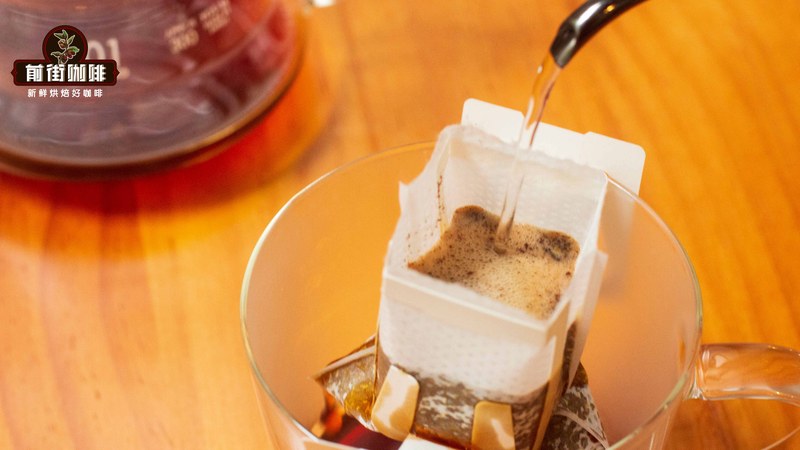
For the SOE, what I pair with the takeaway line is Qianjie Xizhua SOE SOE, a double anaerobic natural from Finca La Divisa in Huila, Colombia, medium roasted, with the sweet-tartness of blueberry juice, passion fruit, ripe grapes and apricot, full of juice character. This one is only used for espresso and milk coffee, adding recognition to the menu so customers can drink a choice with some personality even within a chain brand. For the pour-over line, I separately place Qianjie Indonesia Lintong Mandheling, G1 green beans from the Lintong producing area of Sumatra, processed by the wet-hulled method and then medium-dark roasted, where you can taste the roasted aromas of black sugar, spices, herbs, nuts and dark chocolate, full-bodied and rich with low acidity, suitable for customers willing to wait for pour-over.
The aroma concentration of a takeaway cup is inherently lower than a dine-in cup. My approach is to choose one of two: either appropriately add a little more coffee to keep the first sip memorable, or choose beans with a more extroverted flavor to push the aroma forward. The number of cup sizes should also be kept within one page, with commonly used cup sizes fixed, and one to two beans can cover it, so that output during peak hours is less likely to go wrong. For hot drinks, choose lids and seals with good airtightness and long heat retention, and standardize the ice amount for iced drinks, so that every store and every order drinks something close to the same cup.
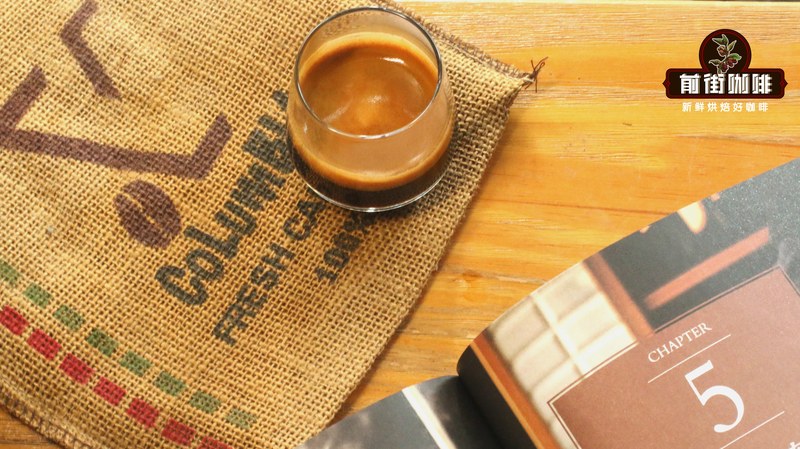
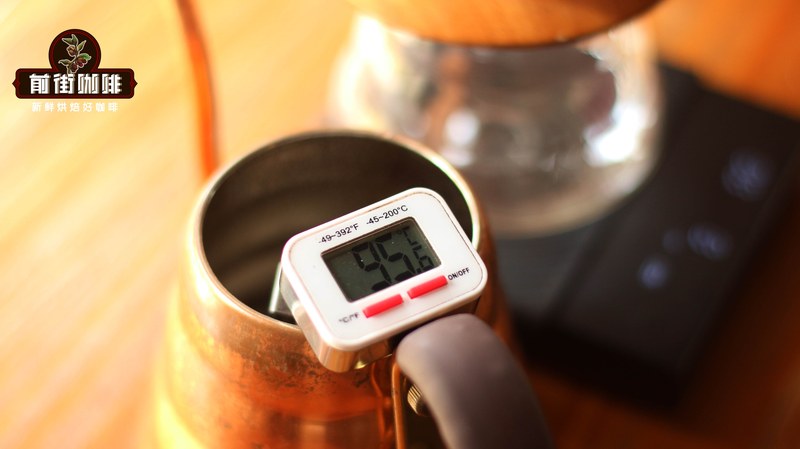
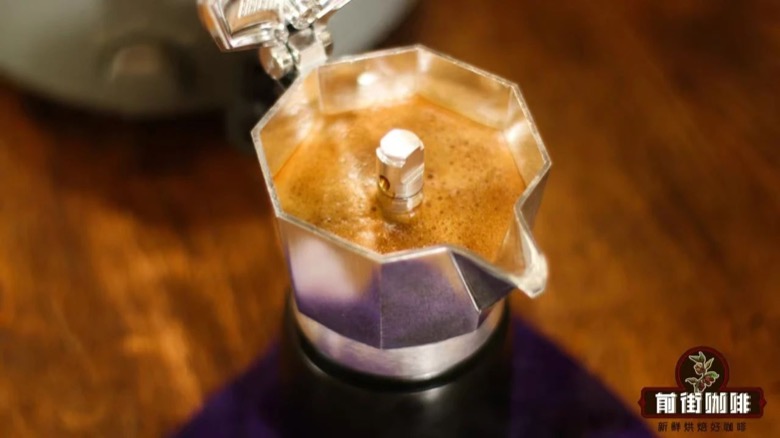
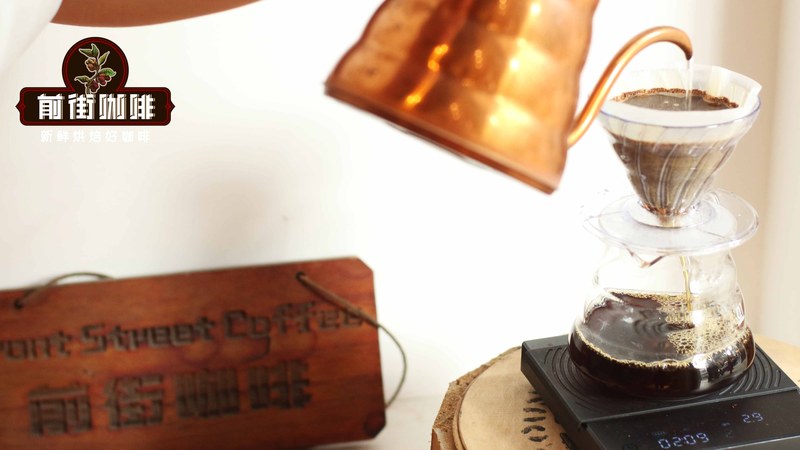
I place special importance on freshness. Qianjie's coffee beans are controlled to within five days from roasting to dispatch; medium-dark roasted espresso beans rest five to seven days after arriving at the store before going on the machine, and pour-over single-origin beans rest three to five days. For espresso extraction I go by double shot, with a dose of nineteen to twenty grams, yielding thirty-eight to forty grams of coffee liquid, with the time controlled at twenty-five to thirty seconds. For pour-over, it's fifteen grams of coffee, a coffee-to-water ratio of one to fifteen, a water temperature of ninety to ninety-three degrees, a thirty-second bloom, and a total time of about two minutes. Drinking it within one month after opening gives better flavor, and chain stores have fast turnover, so this rhythm just works.
Once these few lines are sorted out, the takeaway and delivery menu of a chain coffee shop becomes clear: one full-bodied blend holds up the milk coffee base, one darker blend guards the iced drinks, one SOE gives the espresso line recognition, and then one single-origin is left for pour-over. With simplified cup sizes, fixed parameters and accurately calculated bean rest times, the time on the road is no longer the enemy of flavor, but a variable already reserved in the menu design.
Related Reading
Comments (0)
Loading comments...
You May Be Interested

Trending Reviews
Popular Videos

With you, wherever you are! We provide useful features to help you find new things you'll love






