Source:Best Coffee > News Author:qjroot Published:2026-08-15 10:45:45
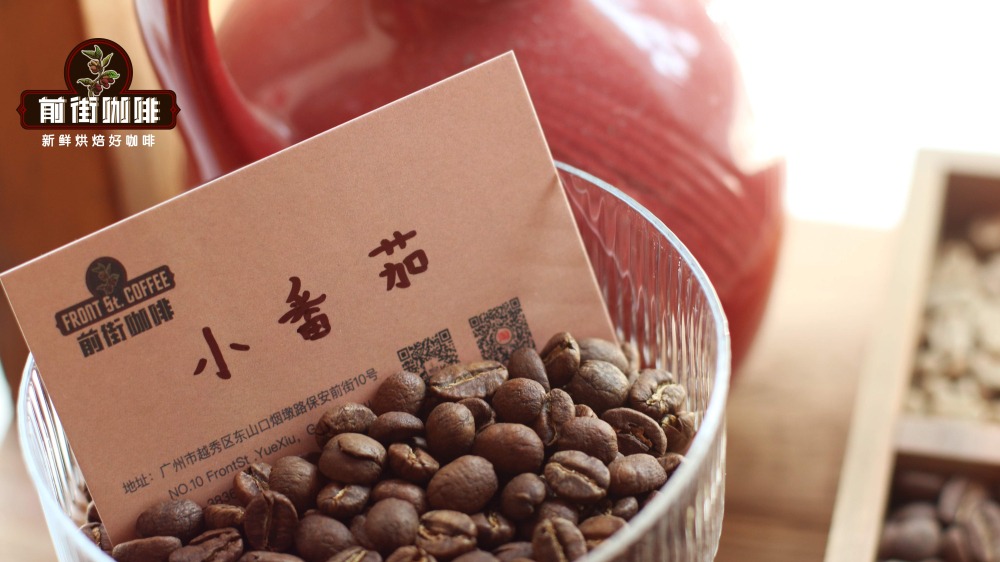
Many people do not drink coffee not because they dislike it, but because the first sip of bitterness drives them away. In fact, "coffee = bitter" is a big misunderstanding: with different roast levels, origins and varieties, coffee flavors vary enormously. If you are naturally averse to bitterness and enjoy fruity aromas and sweetness, you can absolutely find the cup that suits you among the following types of beans.
Coffee bitterness mainly comes from caramelization during roasting and the formation of certain bitter compounds. The darker the roast, the more pronounced the bitterness usually is; conversely, medium-light roasted coffee beans retain more floral and fruity aromas and a sweet-tart feel, with very slight bitterness. So when choosing beans, those averse to bitterness should prioritize medium-light roasted specialty beans.
In addition, the bean's origin and processing method also affect the flavor direction: Ethiopian beans often carry citrus, floral and berry notes; Kenyan beans are known for their bright fruit acidity; while some anaerobically processed or specially fermented beans have more prominent sweetness and fruit tones. Choose the right beans, and coffee can absolutely taste like fruit juice.
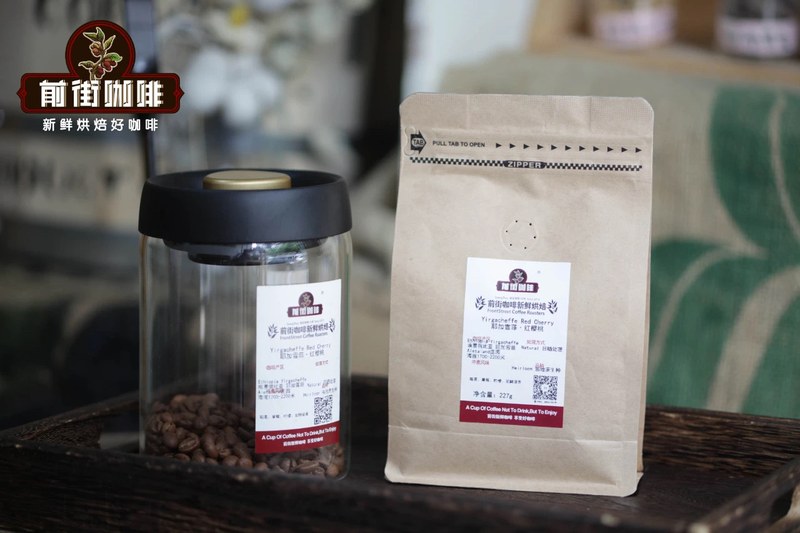
As a classic choice for many coffee lovers entering specialty coffee, Yirgacheffe has always enjoyed extremely high popularity. It usually carries distinct citrus, berry and floral notes, accompanied by a sweet aftertaste reminiscent of green tea. What many people imagine as "sour coffee" is actually a soft and bright sweet-tartness, more like the natural sweet-sourness of fruit rather than a sharp acidity. For those just starting to explore coffee and afraid of bitterness, it is a very easy choice to accept.
Huakui can be said to be one of the most representative star products in the specialty coffee market in recent years. Its standout feature is the extremely prominent tropical fruit aroma, often offering rich scents of strawberry, passion fruit, jackfruit and even lychee. The sweetness is obvious, the bitterness very low, and it is smooth on the palate and full of juice-like character, so many consumers describe it as "the coffee that tastes least like coffee." For those who usually dislike the bitterness of traditional coffee, Huakui often completely changes their stereotype of coffee.
If Huakui is a star in specialty coffee, then Geisha can be called a legend in the world of specialty coffee. Qianjie Panama Hacienda La Esmeralda Red Label Geisha usually has extremely elegant jasmine floral notes, along with delicate flavors of citrus, bergamot and black tea; the overall mouthfeel is clean and transparent, with a long sweet aftertaste and rich layering. Although the price is generally higher than ordinary specialty coffee, its unique aroma expression remains one of the experiences many coffee lovers pursue to this day.
This is a Kenyan specialty washed bean, with bright cherry tomato, dark plum acidity and full juice-like character as its core features, a popular choice for lovers of bright fruit acidity and complex flavors. It comes from the Thika region of Kenya, uses the classic SL28 and SL34 varieties, and a 72-hour double washed fermentation makes the fruit aroma fuller; Qianjie uses a light roast to preserve the lively acidity. On the palate there are clear cherry tomato and dark plum flavors, with prominent sweetness in the middle, a clean and long finish, yellow sugar sweetness and a faint green tea aroma, balanced sweet-tartness and high distinctiveness.
Friends who are afraid of bitterness but want to try acidity can start with Kenya Little Tomato. Its acidity is not "sharp" acidity, but the fruity sweet-sourness of cherry tomato and dark plum, full and juicy on the palate. Many people are surprised the first time they drink it: "Coffee can taste like this?" This kind of experience that breaks preconceptions is often the turning point from being afraid of bitterness to falling in love with coffee.
If you want to do pour-over and also occasionally make an espresso with a coffee machine, you can choose so-called all-round coffee beans (Omni Roast). These beans usually use a medium roast, which can retain some fruit aroma and layering in pour-over, and also achieve enough sweetness and body in espresso extraction. In this direction, Qianjie Strawberry Candy coffee beans are a relatively suitable choice - it is a popular fruity espresso blend that relies on the native flavors of Arabica coffee beans from different origins blending with each other to recreate a distinct strawberry gummy candy sweet aroma, with prominent sweetness and very low bitterness, suitable for both everyday home drinking and cafe service.
Once you have chosen the right beans, brewing must keep up too, otherwise even good beans will be "brewed bitter":
Do not use water that is too hot: for light-roasted beans, 88-92°C is recommended; too high a temperature easily brings out astringency and bitterness.
Do not grind too fine: if the grind is too fine and the extraction time too long, bitter compounds are more easily released.
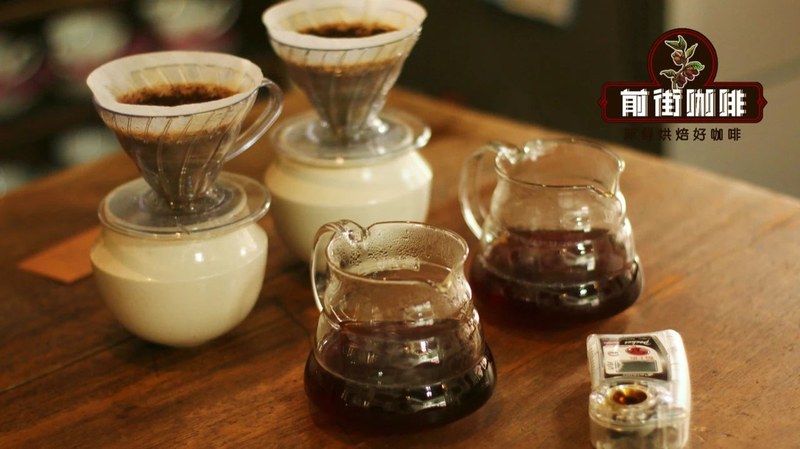
Control the time: a total pour-over time of 2-2.5 minutes is about right, with about 30 seconds of blooming.
Keep a moderate water-to-coffee ratio: around 1:15, not too strong.
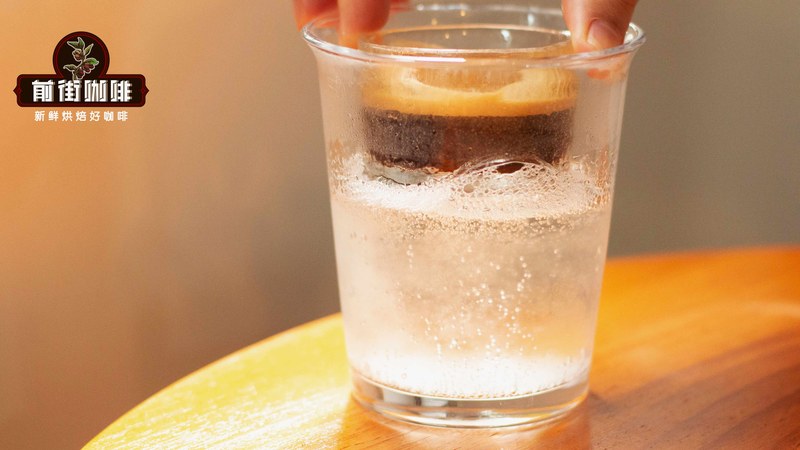
There is also a little trick just for the bitter-averse: if you feel a certain pour-over is still a bit bitter, try adding some ice cubes. Low temperature suppresses the perception of bitterness while making sweetness and fruit aroma more prominent. This is why many people find iced pour-over "tastier" in summer - it is not a psychological effect; temperature really does affect the way taste is perceived.
Being afraid of bitterness does not mean you are destined to have no connection with coffee, it just means you have not yet met the right one. Starting with beans with obvious fruit aroma such as Yirgacheffe Gutingding and Huakui, you will find that coffee's sweetness is far greater than you imagined.
Related Reading
Comments (0)
Loading comments...
You May Be Interested


Trending Reviews
Popular Videos

With you, wherever you are! We provide useful features to help you find new things you'll love






