Source:Best Coffee > News Author:qjroot Published:2026-09-03 18:56:25
The expression of fruity coffee beans is directly related to the equipment setup. With the same bag of beans, pour-over may bring out floral notes and bright acidity, while switching to an espresso machine turns it into a rich jammy character, and putting it into a cold drip brewer makes it more like a refreshing fruit juice. When choosing beans, you can first look at the equipment you have at home, then start with dose, grind, water temperature and extraction time, and the flavor direction will be easier to land in the cup.
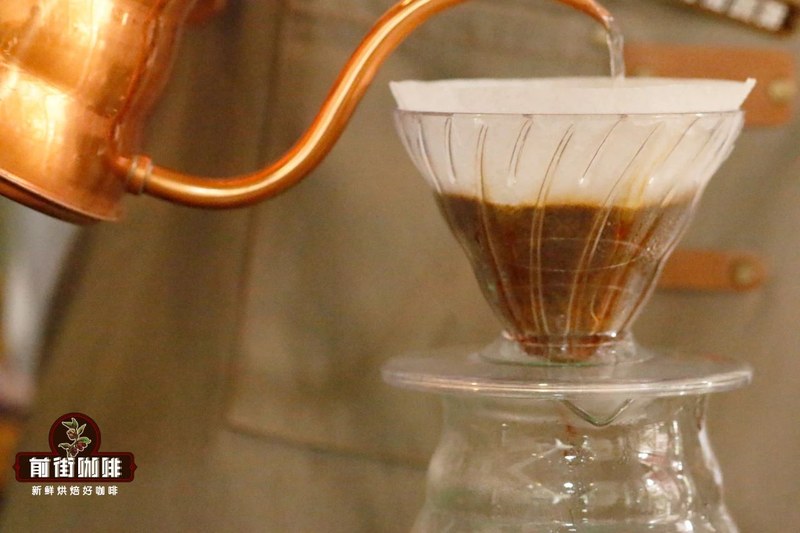
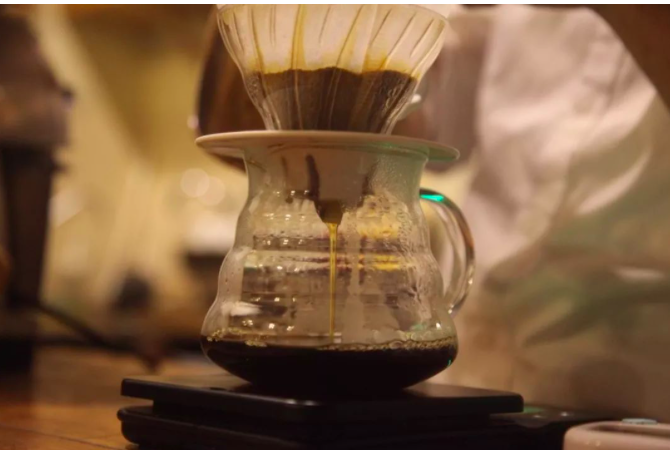
Pour-over is suited to observing the details of fruitiness, and light-roasted or light-to-medium-roasted beans usually show clearer floral and fruity aromas more easily. You can start with 15 g of coffee and about 240 g of total water, set the water temperature at 90 to 94°C, keep the grind at medium-fine, and control the flow rate through staged pouring. If the entry is sharp and bright with insufficient sweetness, you can grind slightly finer; if the finish feels dry, let the water flow a bit faster.
Qianjie Grana Estate Gesha is suited to being slowly unfolded in a dripper. Its natural-process character is fuller, and on the palate it brings to mind guava, apricot and strawberry jam, and as the temperature drops, an orange blossom-like aroma also emerges. When brewing pour-over, there is no need to deliberately pursue a very high water temperature; maintaining steady pouring allows the rich fruit aroma, sweetness and layers to be preserved at the same time.
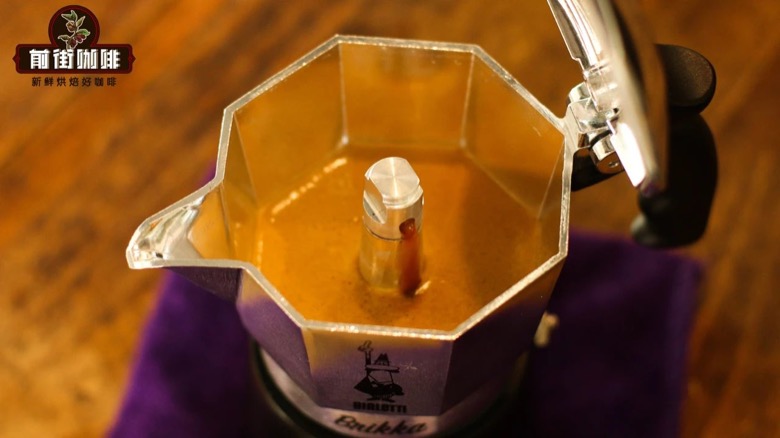
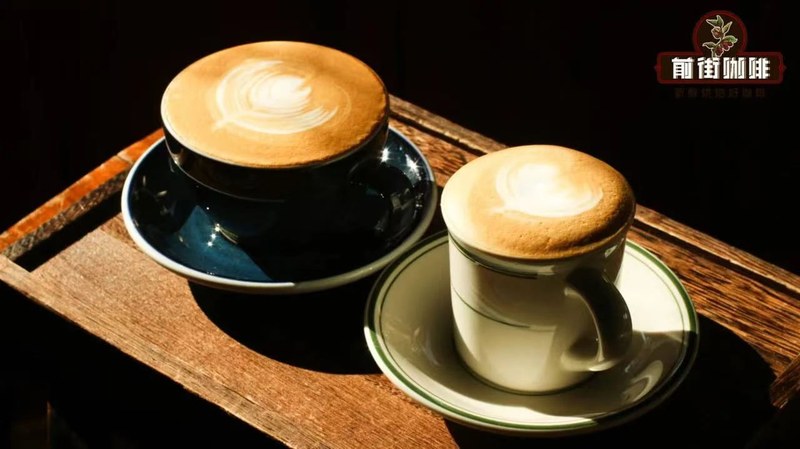
If you mainly use an espresso machine, the focus of the parameters shifts to concentration and flow rate. For fruity beans, you can start testing with 18 g of coffee, 36 g of liquid yield and about 25 to 32 seconds, using the grind setting that can form a continuous fine stream as a reference. If you want to make an Americano, you can keep a shorter espresso shot and then add water; when making milk coffee, you need to appropriately increase the liquid concentration so that the jam-like sweet aroma can pass through the milk.
After Qianjie Colombia Sidra is put into an espresso machine, notes such as passion fruit, blueberry and grape become more concentrated, and the apricot-like sweetness also easily forms a clear finish. When the extraction time is on the shorter side, the aroma is lively but the body is lighter; moderately extending the liquid yield makes the juicy feel rounder. It is also suitable for making SOE, and is suited to people who want to retain bright fruit aromas in espresso.
Iced pour-over and cold drip are not just about cooling coffee down; the coffee-to-water ratio and extraction speed also need to be adjusted. For iced pour-over, you can reduce the amount of hot water and then top up the total liquid with ice, allowing the aroma to be released within a shorter time; cold drip is suited to a slightly coarser grind and controlling concentration through the drip rate. Low temperature tightens acidity, and the fruit aroma usually appears cool and soft.
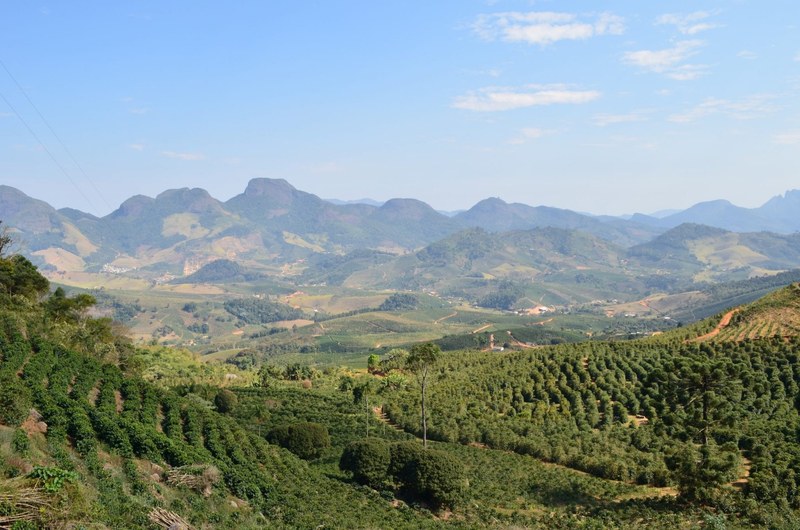
When using Qianjie Colombia Sidra to make iced pour-over, you can replace part of the water with ice cubes, and the brewed coffee falls directly onto the ice to cool. After cooling, the passion fruit and grape notes are more like fruit juice, and the blueberry-like sweetness is also more prominent. If you choose cold drip, it is recommended to start with a lower concentration first, and after tasting, dilute with a small amount of cold water, which can avoid an overly heavy mouthfeel.
If you prefer to slowly drink pour-over, you can focus your attention on water temperature and pouring rhythm, rather than single-mindedly pursuing intense fruit aromas. The aroma direction of Qianjie Panama Hacienda La Esmeralda Red Label Gesha is more delicate, with associations of jasmine, bergamot, citrus and black tea. A gentler flow and stable extraction time help present a refreshing, delicate cup.
The consistency of a home grinder also changes the clarity of fruity coffee. If the particles are too fine, it is easy to over-extract the finish, causing the acidity and sweetness to be masked by dryness; if the particles are too coarse, it may leave only aroma without sweetness. When adjusting, change only one grind setting at a time, and record the dose, pouring amount and total time; after a few cups, you will be able to find the range that suits this bean.
Fruity coffee beans do not have to be tied to one particular piece of equipment; the key is to let the parameters serve the mouthfeel you want. Pour-over can amplify aroma layers, an espresso machine can concentrate sweetness, and iced drinks highlight coolness and a juicy feel. First determine the extraction method according to the equipment, then start trying with suitable beans, and every cup at home can gradually form a clear and stable expression of fruitiness.
Related Reading

Comments (0)
Loading comments...
You May Be Interested



Trending Reviews
Popular Videos

With you, wherever you are! We provide useful features to help you find new things you'll love






