Source:Best Coffee > News Author:qjroot Published:2024-08-19 18:40:11
As the coffee industry continues to develop, coffee varieties have been transplanted, mutated and crossbred, giving rise to many new coffee varieties. At present, many coffee varieties are descendants of Typica and Bourbon.
Caturra
The name Caturra comes from the Guarani language and means small, because this variety is a natural mutation of the Bourbon variety. As it is a single-gene mutation, the whole plant tends to be shorter than Bourbon. However, the spacing between the branches on the trunk is small, so the foliage is relatively dense and the fruit clusters tightly together.
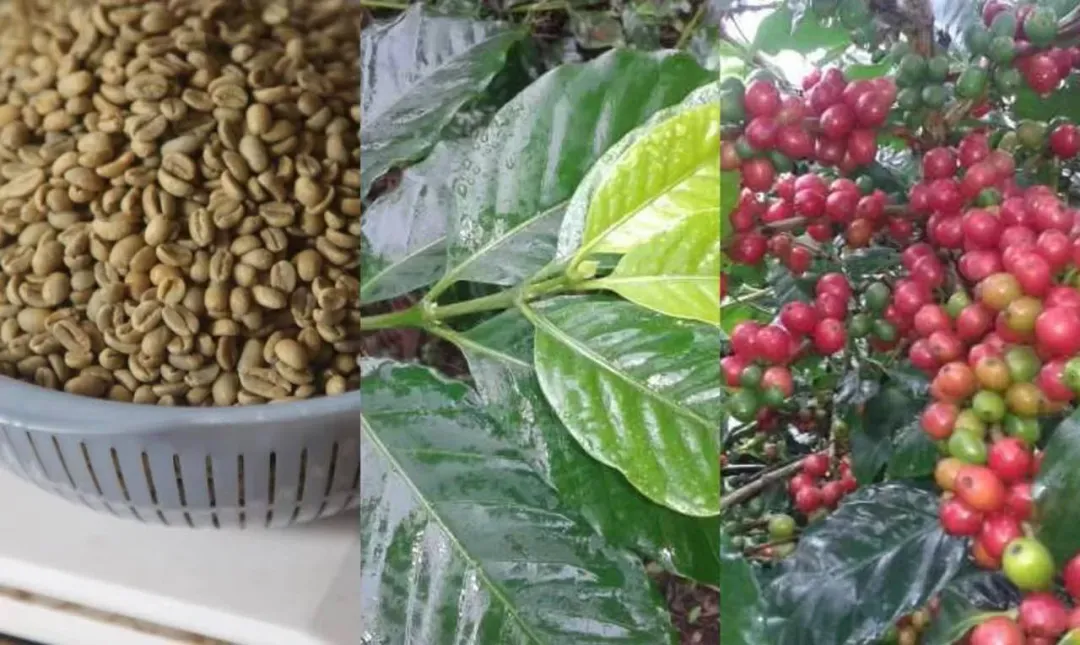
In addition, Caturra also shares similarities with Bourbon, namely the leaves, which both have wavy edges and green terminal leaves. The coffee cherries are also round, mainly red but occasionally yellow, and the coffee beans are uniform in size and oval in shape. Thanks to its short stature, it can be planted densely and yields relatively high. It is suitable for growing at high altitude, but is susceptible to coffee diseases and pests.
Around the early 20th century, the Caturra variety was discovered in a botanical garden in Minas Gerais, Brazil, and was later sent to the Instituto Agronomico de Campinas (IAC) of Sao Paulo State for research. Because Brazil's growing conditions were not suitable for cultivating Caturra, but because of its dense planting and high yield, it was introduced for cultivation by Guatemala in the 1940s, and was later introduced to Costa Rica, Colombia, Honduras and Panama and other American countries. It has now become one of the most important coffees in Central America and is often used as a benchmark for testing new coffee varieties.
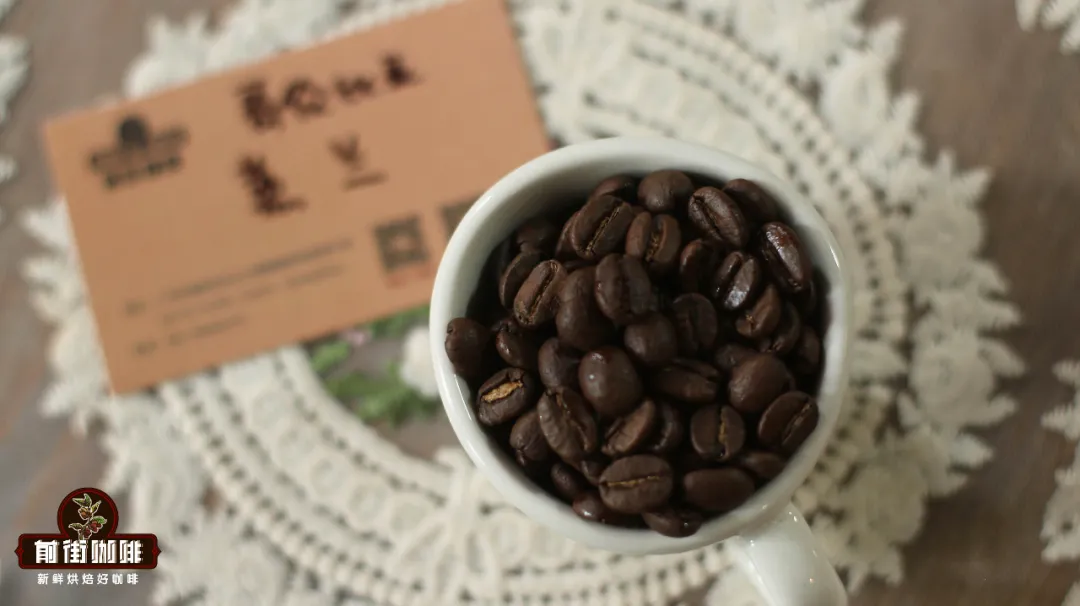
FrontStreet Coffee has a washed Colombian Huila coffee that serves as a representative entry-level pick, with mild and gentle fruit acidity, notes of nuts, dark chocolate and caramel, an overall balanced profile and pronounced sweetness.
Catuai
The name Catuai also comes from the Guarani language, meaning "very good", and it was originally called "H-2077". It is an artificially bred hybrid developed by the Instituto Agronomico de Campinas (IAC) in Sao Paulo, Brazil, using Mundo Novo and Yellow Caturra, while Mundo Novo is a natural cross between Bourbon and Typica.
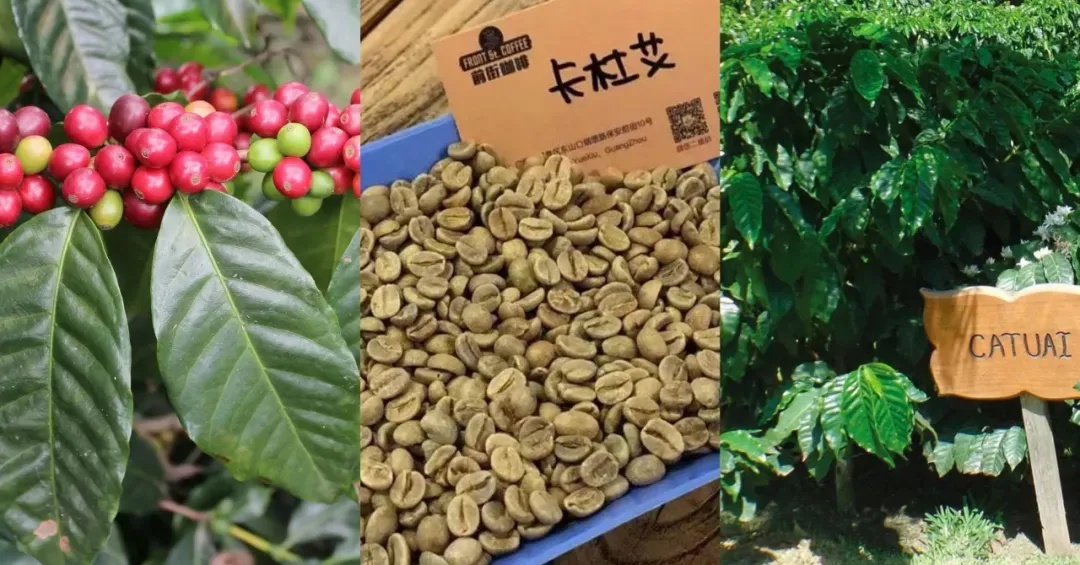
As a result, Catuai inherited these characteristics: a small tree with dense branching and high yield, green leaf tips with slightly curved leaf edges, fruit growing closely together and mainly red, and coffee beans of average size that are oval but smaller than Caturra. It is suited to high-altitude cultivation and has strong resistance to disasters, but is susceptible to leaf rust.
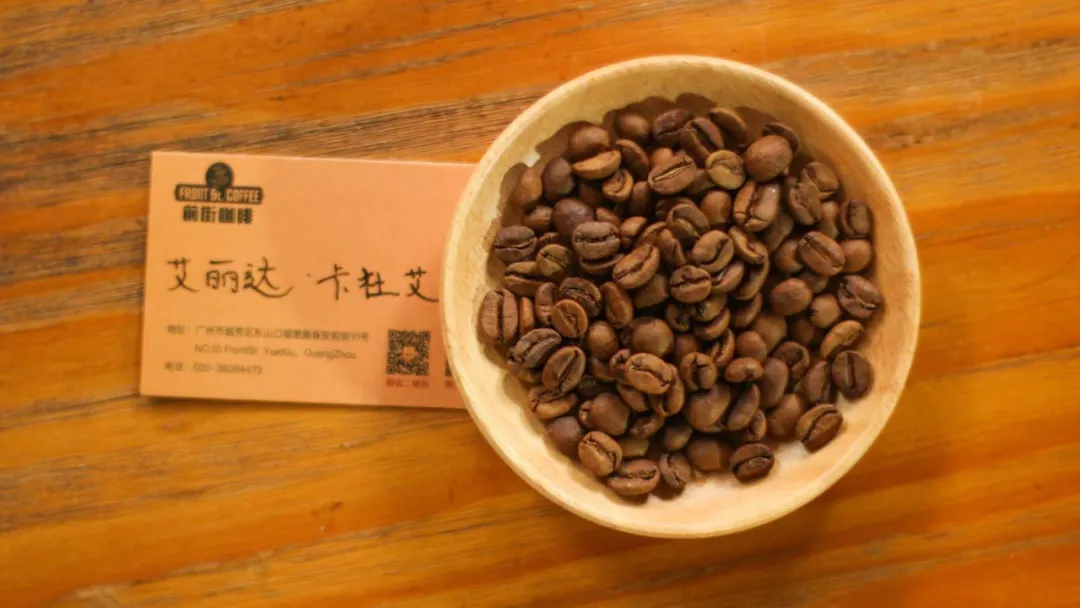
Catuai was released in Brazil after pedigree selection and is widely planted there; later it was introduced for cultivation in Central American countries such as Honduras, Guatemala and Costa Rica. FrontStreet Coffee has a Catuai coffee from Elida Estate, processed as a natural. After brewing, you will smell a slight vinous aroma brought by the natural process, and on the palate there are notes of peach, raisin and orange, a caramel-like sweetness, a green tea-like mouthfeel and high cleanliness.
Catimor
Caturra is a natural mutation of Bourbon, while Timor is a cross between Arabica and Robusta. Catimor is a hybrid between Timor and Caturra, producing the first generation of F1 hybrid variety group, so Catimor is not a single variety but a group of varieties with similar lineage that must be defined through selective breeding.
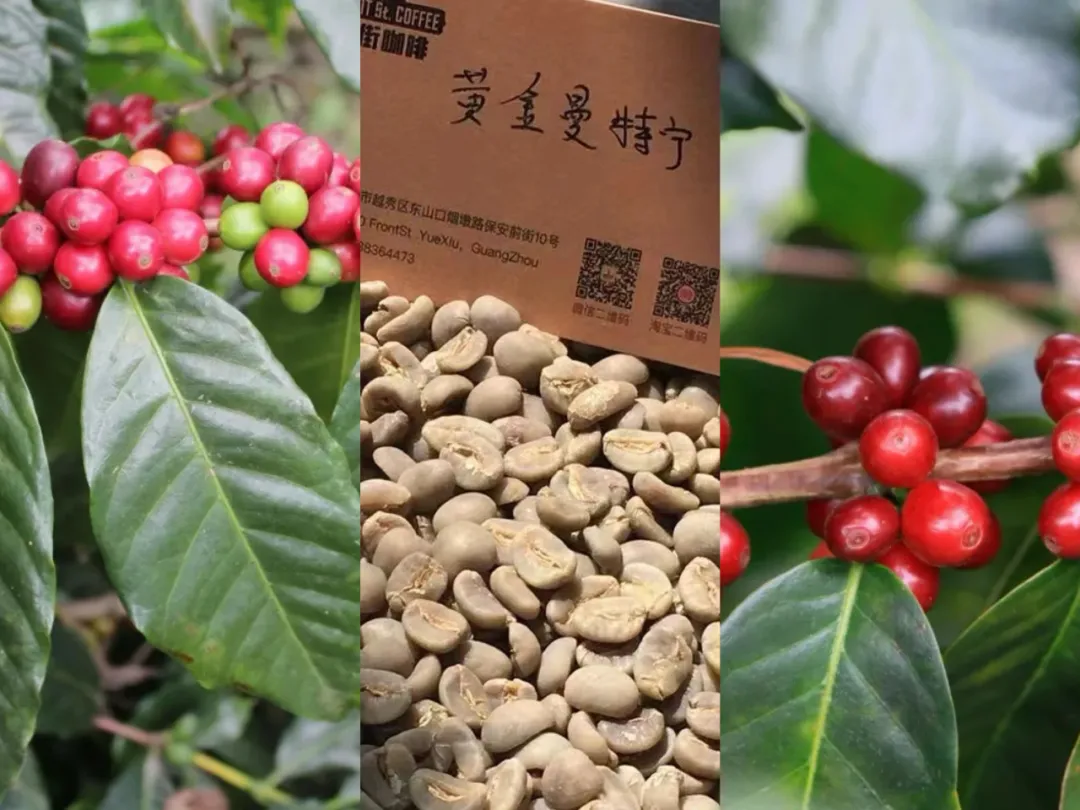
Catimor inherits characteristics from both parents. The overall tree shape of Catimor is smaller, with more branches and densely clustered fruiting nodes. The coffee beans are elongated, thick and large, with both ends slightly upturned, and the leaf tips are green. It can also be planted in lower-altitude areas. Because of its Robusta lineage, it has some resistance to coffee leaf rust and a relatively wide adaptability, but it is susceptible to the fungal disease Ojo de Gallo.
The birth of Catimor is related to coffee leaf rust. Coffee leaf rust caused damage in many coffee-producing countries in the 19th century. In response to the disease, Portugal's Coffee Leaf Rust Research Center (CIFC) conducted continuous research and developed Catimor in the 1950s, distributing it to various countries for selective breeding and planting. It is currently grown in Yunnan, China, Honduras, El Salvador and Indonesia ("Ateng" is the local Indonesian name for Catimor).
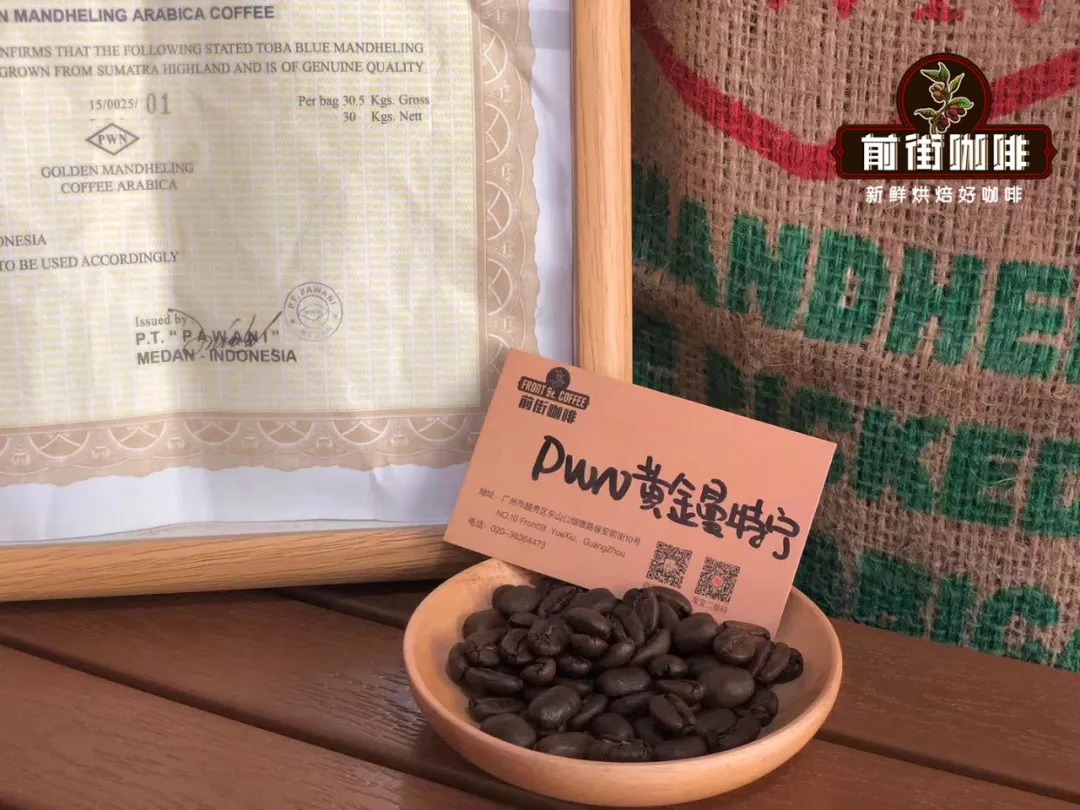
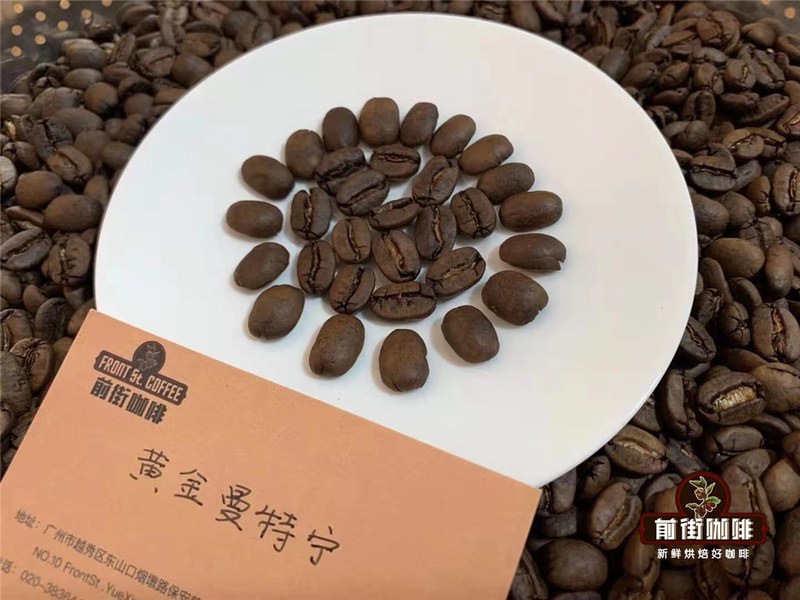
FrontStreet Coffee's PWM Golden Mandheling comes from the Gayo Mountains in Aceh, North Sumatra, and is processed using the wet-hulled method, with notes of toasted bread, pine, cocoa and a slight herbal flavor. The body is clean and balanced, with a caramel sweetness in the finish.
To learn more about coffee origins, please scan the QR code to follow: Kaping
Long-press the QR code to follow:

Related Reading




Comments (0)
Loading comments...
You May Be Interested

Trending Reviews
Popular Videos

With you, wherever you are! We provide useful features to help you find new things you'll love






