Source:Best Coffee > News Author:qjroot Published:2026-10-11 14:14:20
In the years I've been running my own shop, I've also looked at menus for quite a few friends, and scenic-area stores are the scenario where I think bean selection especially requires a clear head. Tourists won't give you a second chance to build trust, and if the line is longer than five minutes they may just turn around and leave, so the menu and the beans have only one core task: during peak hours, make every cup fast and consistent. The espresso line has to be the true main force, anchored by a medium-dark roasted blend with high fault tolerance, with the grinder dialed in once in the morning and left untouched all day; that is what gives a scenic-area store the confidence to breathe.
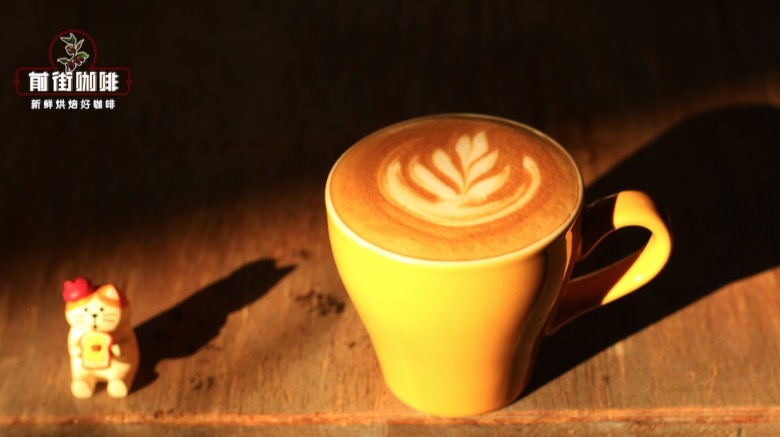
For this base blend I usually suggest going in the direction of nuts, chocolate and caramel, keeping acidity down so that mass acceptance is broad. Qianjie Black Cocoa Blend fits this slot very well: Yunnan washed small beans with Brazil semi-washed, medium-dark roasted so the crema carries a golden sheen, with a very wide extraction window, 19 to 20 g dose, 38 to 40 g of coffee liquid in 25 to 30 seconds; even if you make a mistake in the rush it won't be undrinkable. The cream chocolate and cocoa cookie flavors come through plainly in a latte or americano, so tourists can understand it without effort. The daily staple tier relies on it for volume, it is the ballast in the cost structure, and stock must be kept abundant.
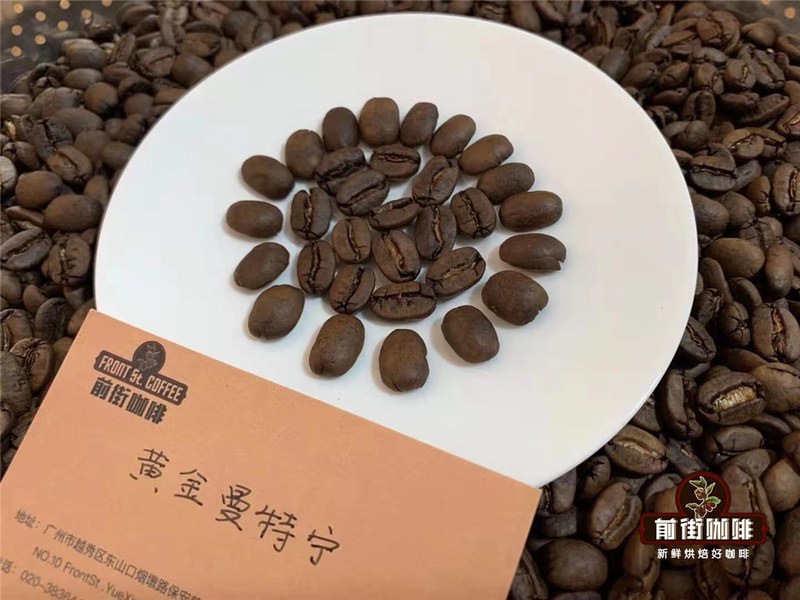
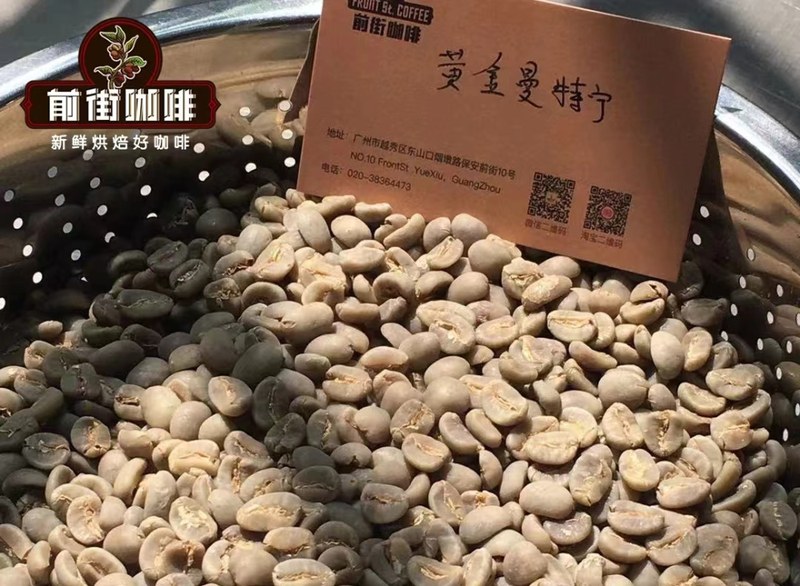
If you want to add a bit of distinctiveness to the espresso line, you can slot in one SOE, but not more; one is enough. Qianjie Golden Mandheling SOE is a medium-dark roasted Indonesian bean, uniformly sized after multiple hand sortings, with spices, herbs and sandalwood aromas that really grab you, and a heavy black chocolate note in the finish. This bean works for hot lattes or moka pot output and can give the menu one more "there's something here" option, but it isn't something to push every day; put it in the advanced tier for tourists willing to wait an extra half minute and try something different. For specialty drinks, I also suggest using that base blend uniformly as the base, adjusting flavor through ingredients; swap in rose syrup, caramel sauce, oat milk and so on, keep the beans unchanged, and only then will the output rhythm stay orderly.
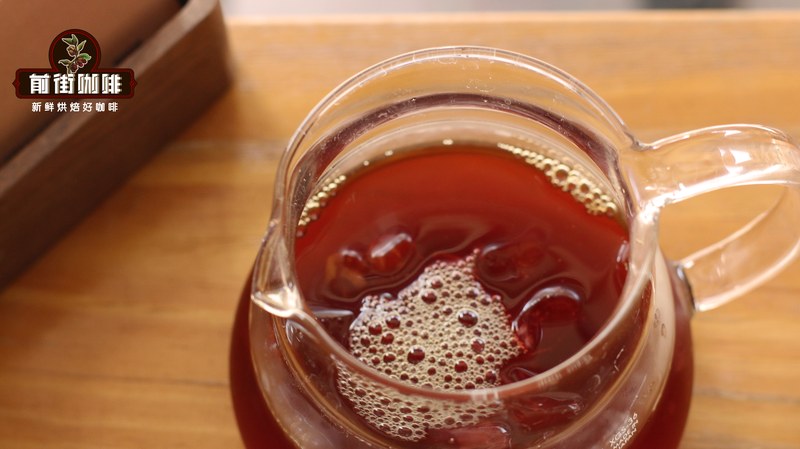
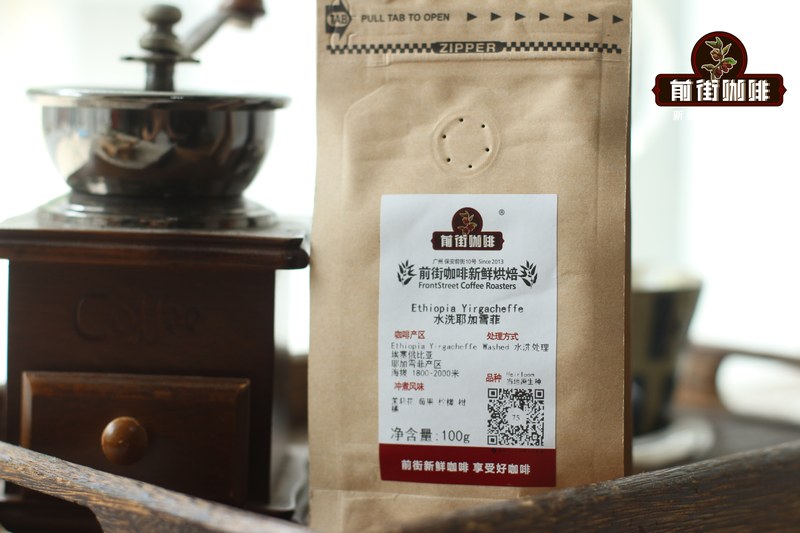
The pour-over line at a scenic-area store must be streamlined, one or two beans is enough; more is just making trouble for yourself. Pick beans with memorable names and high flavor distinctiveness, so tourists glancing at the menu have a point of interest. Qianjie Kenya Little Tomato is SL28 and SL34 from Kenya's Thika region, 72-hour double washed, light roasted; the dry aroma shows dried cherry tomato and floral notes, and on the palate there is bright acidity of cherry tomato and smoked plum, as full as fresh-pressed juice. Qianjie Yirgacheffe Gudingding is an Ethiopian washed bean, with clear citrus, berry and floral notes, and a green tea-like sweet finish, clean and light in body. Both use standard pour-over parameters: 15 g coffee, 1:15 coffee-to-water ratio, 90 to 93°C water, 30-second bloom, total time about two minutes; if the barista is skilled, it can reach the customer within three minutes.
The menu structure should be short and clear: basic espresso cup sizes, plus two to three specialty drinks, and a small separate column for pour-over. Each bean's flavor can be written on the menu as one sentence, such as "dried cherry tomato aroma, bright juicy feel," to reduce the time customers spend asking. Stock levels should be estimated by foot traffic; better to keep one extra backup bean than to run out and change the recipe on the spot. Tourists remember flavors more shallowly than local customers; if what they drink this time differs from last time, they won't think you changed beans, they'll only think "this shop isn't good."
Freshness and resting are prerequisites for consistent output. Qianjie coffee beans are all roasted and shipped within 5 days; medium-dark roasted espresso beans should rest 5 to 7 days after arrival before going on the machine, while single-origin pour-over beans rest 3 to 5 days, and after opening are better used within one month. Scenic-area stores turn over quickly, so this rhythm connects just right; no need to hoard too much, but planning must be done in advance.
Clarify the roles of these beans: Qianjie Black Cocoa Blend handles all-day volume, Qianjie Golden Mandheling SOE is the advanced option on the espresso line, Qianjie Kenya Little Tomato and Qianjie Yirgacheffe Gudingding carry the fun of the pour-over lineup; if you want a little floral-fruity surprise in the specialty drinks, Qianjie Strawberry Candy Espresso Blend is a medium roasted blend of Costa Rica, Colombia and Ethiopia, with rose floral notes plus the sweetness of grapes and fruit candy, low bitterness and slight acidity, and as an iced specialty drink base it photographs beautifully. In the cost structure, the daily staple tier accounts for 70%, the advanced tier 20%, and the high-end tier 10%; although pour-over has small cup volume, its gross margin can make it back.
The menu at a scenic-area store is not for holding a tasting session for coffee connoisseurs; it is to let tourists make a quick decision amid queue anxiety and receive a cup of good coffee that won't go wrong. When the beans are matched clearly, the barista's hands stay steady, the customers' palates aren't picky, and word of mouth can travel out along with the crowds.
Related Reading
Comments (0)
Loading comments...
You May Be Interested

Trending Reviews
Popular Videos

With you, wherever you are! We provide useful features to help you find new things you'll love






