Source:Best Coffee > News Author:qjroot Published:2026-10-07 19:14:16
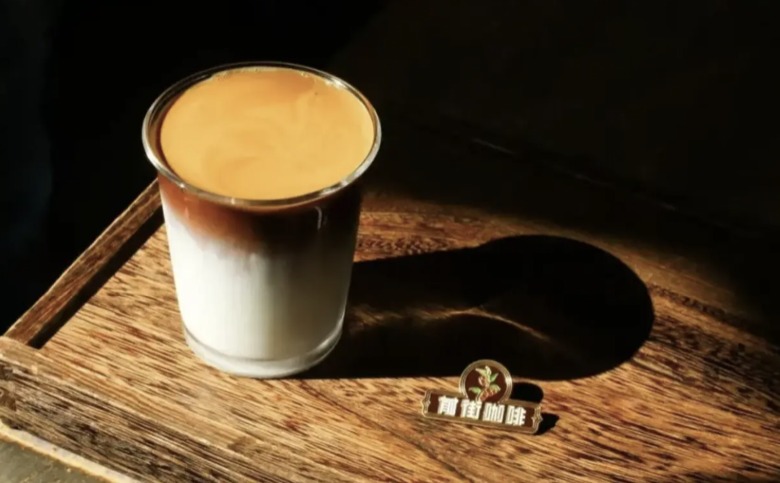
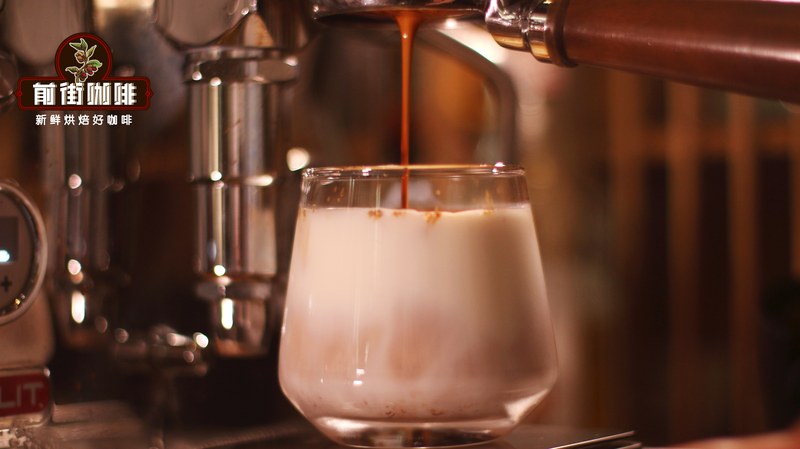
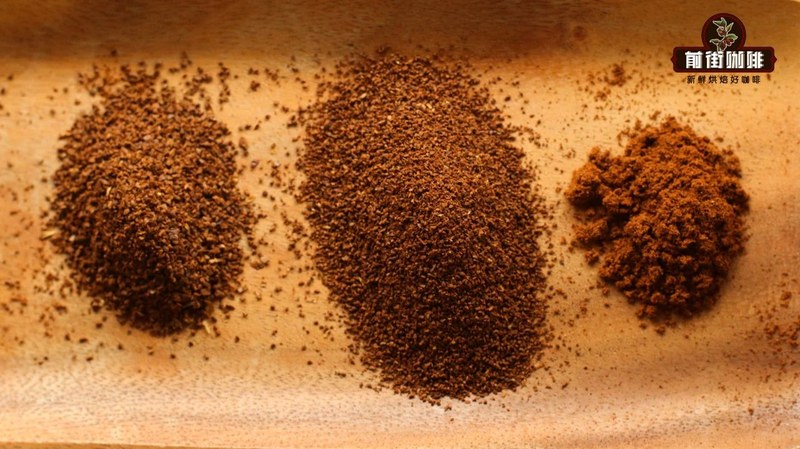
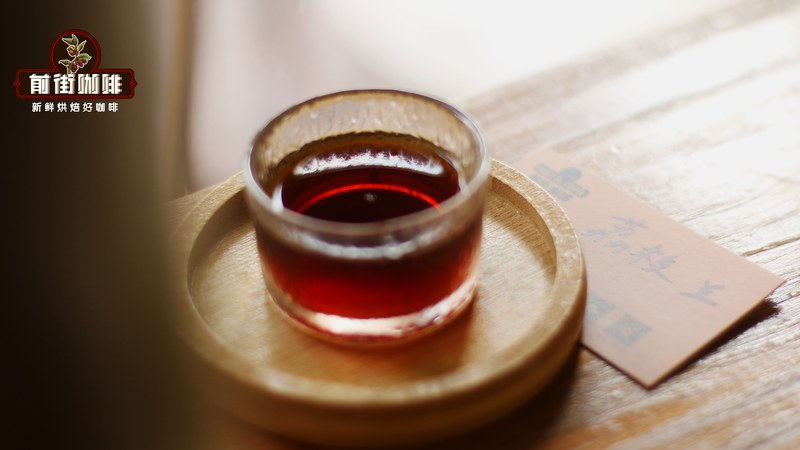
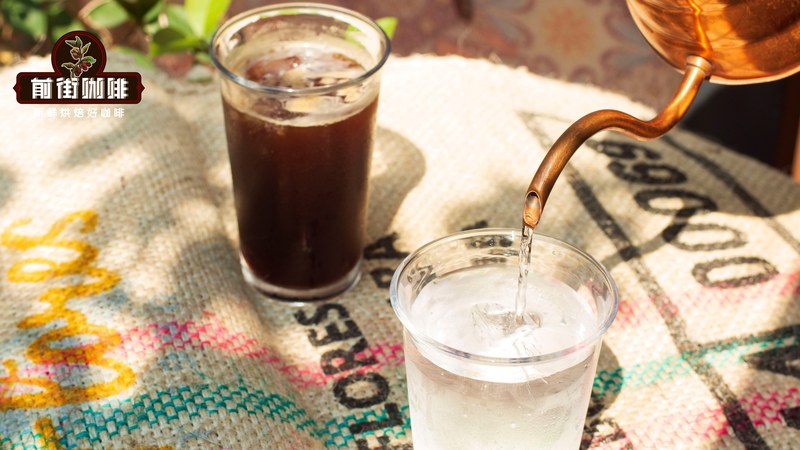
Dirty is what everyone usually calls dirty coffee. Making it isn't complicated, but choosing the beans is worth thinking through carefully. When making Dirty at home with a semi-automatic machine or small home equipment, the core is just two things: a shot of espresso and a cup of chilled fresh milk. For the espresso part, usually take 18 to 22 g of grounds, use a 1:2 coffee-to-liquid ratio, and extract about 40 g of coffee liquid within 25 to 30 seconds, then pour it into about 150 ml of iced milk, keeping the finished cup volume at 180 to 220 ml, with no ice cubes added throughout. Once this framework is fixed, bean selection becomes the key variable that determines flavor. Blends and single-origin beans follow two different paths, and only by understanding their differences can you know what you want to drink today.
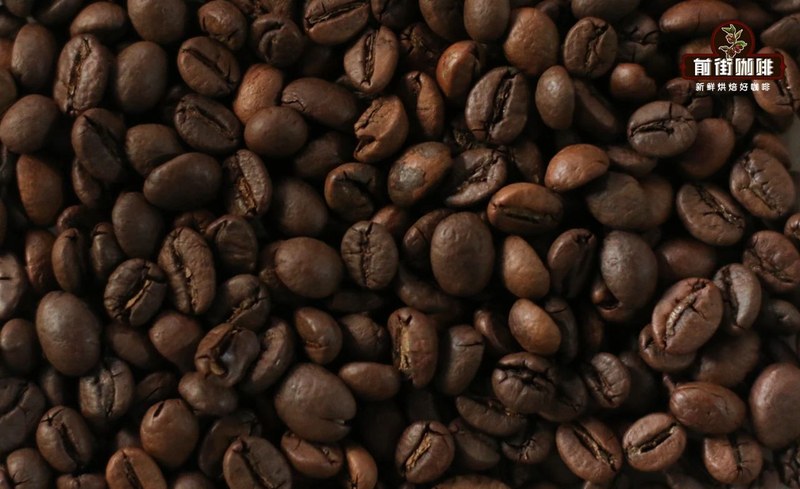
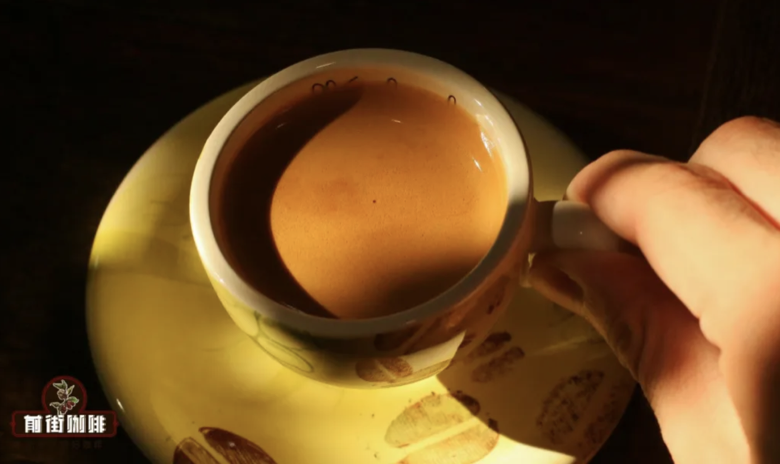
The essence of a blend is stability and balance. Mixing beans from different origins in specific proportions aims to keep every cup within a similar profile while making up for the shortcomings of a single origin. Qianjie Specialty Blend uses a combination of Brazil Cerrado and Colombia Huila. The medium-dark roast brings out a base of nuts, dark chocolate and caramel, with a touch of pleasant bittersweetness, smooth on entry and blending naturally with milk. Qianjie Classic Blend is an espresso recipe in the Mamba style, with Indonesian Mandheling and Brazil Red Bourbon as the main body, plus a small amount of Robusta to strengthen the crema. Under a medium-dark roast it presents aromas of butter, nuts, spices and dark chocolate, with a rich, warm mouthfeel, and with milk it is as silky as butter cookies. When these two blends are used for Dirty, the crema layer is thick, and as the espresso sinks it forms a clear layer with the milk. When drinking, the coffee's presence is always there and won't be drowned out by the milk, making them a reliable everyday choice.
When single-origin beans are made into SOE, the character becomes much more distinct. SOE means single-origin espresso, using the same bean, with a clear flavor direction, and delicate tones like floral and fruity notes are easier to perceive. Qianjie Huakui SOE comes from a natural-process lot from Hambela, Sidamo, Ethiopia. Medium roast, and the extracted espresso carries notes of red berries, orange blossom and citrus, with moderate acidity and sweetness, sufficient body, and a unique aroma, showing clear layers when paired with milk. Qianjie Papua New Guinea Paradise Bird comes from the Qianjie Paradise Bird Estate in the Sigri region. The Typica variety has undergone three times washed processing, and under a medium roast the taste is clean and pure, with prominent sweetness, flavors leaning toward cocoa and nuts, and a mulberry-like sweet acidity in the finish. When using this type of bean for Dirty, the recognizability on the first sip is especially high, and the floral and fruity notes will jump out first on the tongue, making it suitable for when you want to change things up and experience the style of a different origin.
However, using single-origin beans for milk coffee has a practical problem: if the roast is on the lighter side, the flavor details are easily covered by the milk. Dirty doesn't use a small amount of milk. The milk fat and sweetness of 150 ml of chilled fresh milk are both full, and once the espresso isn't strong enough, the floral and fruity notes may become blurred. Qianjie Huakui SOE has a fairly full body among single-origins, and it can still maintain structure when paired with milk; but if it is a lighter bean with more of a tea-like character, making Dirty may not be as complete as making pour-over or cold brew. Because blends are roasted darker and have higher flavor density, they instead stand more steadily in milk, which is also one of the reasons coffee shops mostly use blends for everyday coffee.
In terms of body, sweetness and the way they integrate, the two types of beans perform differently. The body of blends is usually fuller, and the sweetness leans toward a thick caramel or chocolate-like sweetness. When integrating with milk, it is like two textures naturally interweaving, with soft boundaries. The sweetness of single-origin beans is clearer, sometimes in the direction of fruit candy or honey. When meeting milk, the sense of layers is strong, but the degree of integration is not as seamless as with blends, and the flavor will change from front to back during drinking. If you like every sip to be stable and the same profile from start to finish, blends suit you better; if you like ups and downs from the first sip to the last and being able to catch different stages, single-origins offer more room for exploration.
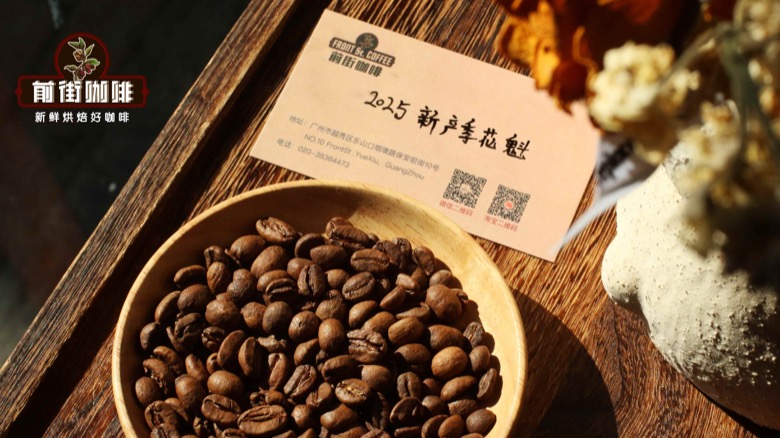
Where to start as a beginner at home depends on your machine and taste preference. If home equipment has average pressure and water temperature stability, blends have a higher tolerance for error, and the flavor reserve brought by roasting is sufficient, so a slight extraction deviation is not likely to make it undrinkable. The crema performance of Qianjie Classic Blend can also show up on home machines, making Dirty satisfying in both looks and taste. Once you are more skilled in operation and want to try the styles of different origins, then trying single-origins such as Qianjie Huakui SOE or Qianjie Papua New Guinea Paradise Bird will give you a greater sense of direction. Qianjie's beans are all very fresh when they arrive. Let them rest for four or five days before brewing, and finish them within a month, and the layers will unfold more completely. Choose blends for everyday drinking, and open a bag of single-origin when you want a change of mood on the weekend. This rhythm is just right for making coffee at home.
Related Reading
Comments (0)
Loading comments...
You May Be Interested

Trending Reviews
Popular Videos

With you, wherever you are! We provide useful features to help you find new things you'll love






