Source:Best Coffee > News Author:qjroot Published:2026-09-07 10:27:13
Whether a home espresso blend tastes good depends not only on the nutty, fruity or chocolatey notes described on the packaging, but also on how those flavors are drawn out by water. With the same bag of beans, espresso can chase a syrupy sweetness, pour-over can open up the aroma, and milk coffee needs to keep its recognizability through the milk. When choosing beans, write your intended drinking method into parameter goals, and it will be easier to dial in something smooth once you get home.
When selecting, first look at the main character the recipe wants to express: fruity types suit higher temperatures and slightly longer yields to unfold, nutty-caramel types suit a medium coffee-to-water ratio to keep their roundness, and dark cocoa types are better with less high temperature and less late-stage extraction. This is not about locking in fixed numbers, but letting the bean's dissolution characteristics determine the starting point; the darker the roast, the easier it usually is to release bitterness, sweetness and body.
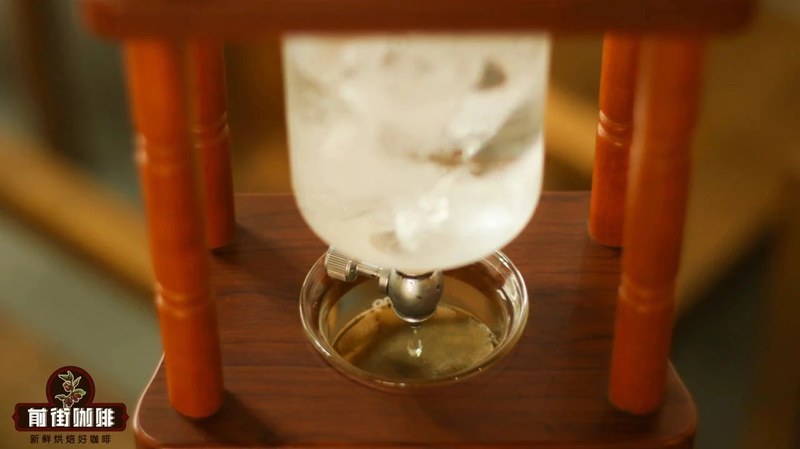
If you want your home iced americano to carry a striking sweet aroma, consider Qianjie Strawberry Candy coffee beans. Its aroma brings to mind red berry candy and ripe-fruit sweetness, with a relatively light body. When making it on a home espresso machine, you can start from 18 g of grounds, about 40 g of coffee liquid, and 27 to 32 seconds, with the water temperature set at 92 to 93°C, giving the fruit aroma room while keeping enough sweetness.
If the machine allows brew pressure adjustment, lively-aroma beans like Strawberry Candy can sit around 8 to 9 bar, without relying on excessively high gauge pressure. If the flow is too fast and the cup tastes bright, tighten the grind slightly, or extend the yield by 2 to 3 g; if the aroma is being smothered by heaviness, then coarsen slightly and shorten the output. Before adding ice, let the espresso blend with a small amount of room-temperature water, and the fruit sweetness will be more cohesive.
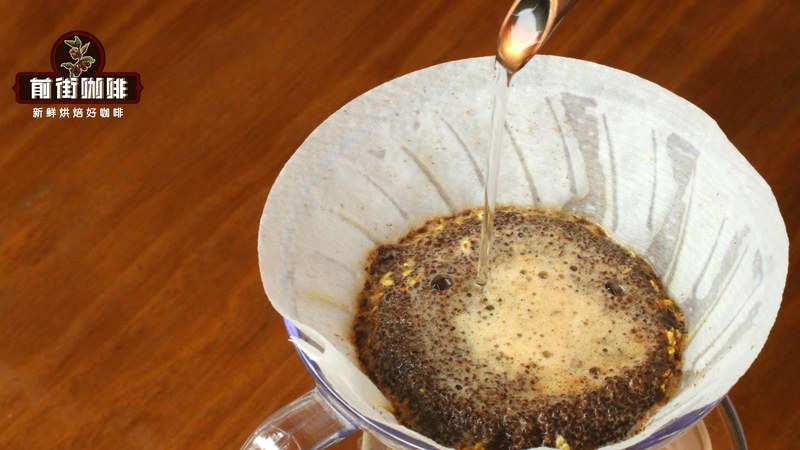
This kind of fruity espresso bean can also be used in pour-over to understand its flavor skeleton. Start with 15 g of grounds and 240 g of water, a water temperature of about 91 to 92°C, medium-fine grind, and after blooming, pour steadily in three stages, keeping the total time between 2 minutes 20 seconds and 2 minutes 50 seconds. If you want it more juice-like, raise the temperature slightly; if you want the sweetness concentrated, tighten the ratio to 1 to 15 and reduce late-stage agitation.
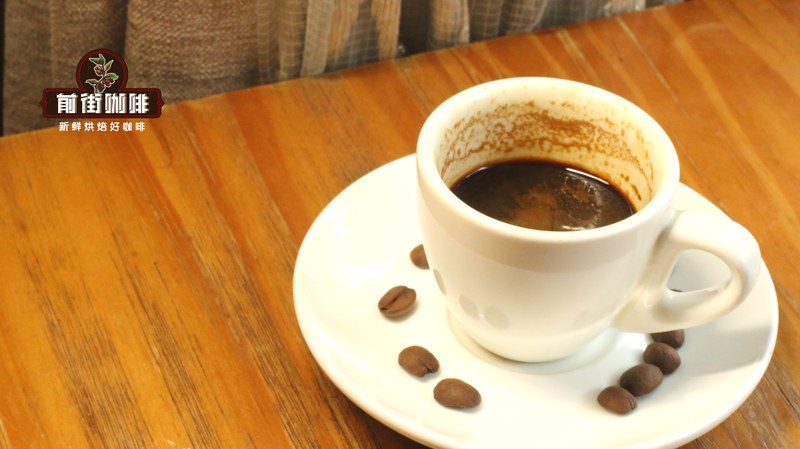
If you prefer mild nutty notes and caramel character, you can take Qianjie Brazil Queen's Estate as a reference for a blend base style. It presents roasted nuts, milk chocolate and a soft sweetness like cane sugar, with acidity that does not steal the show. On an espresso machine, use 18 g of grounds to extract 36 to 38 g of liquid at 90 to 92°C and about 9 bar, so the mid-palate sweetness is full and the finish stays clean.
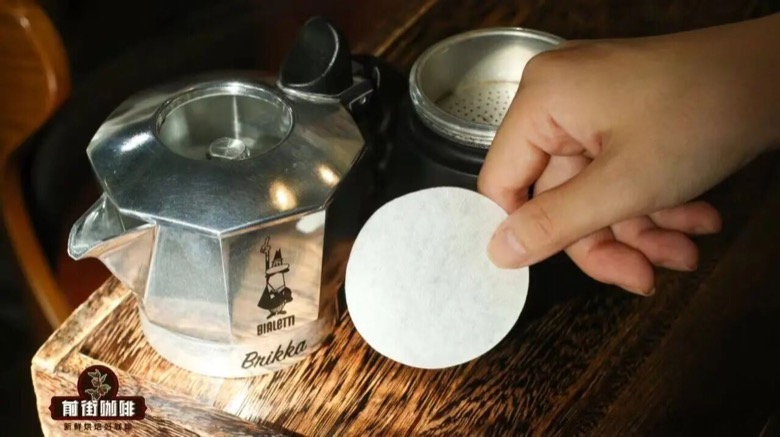
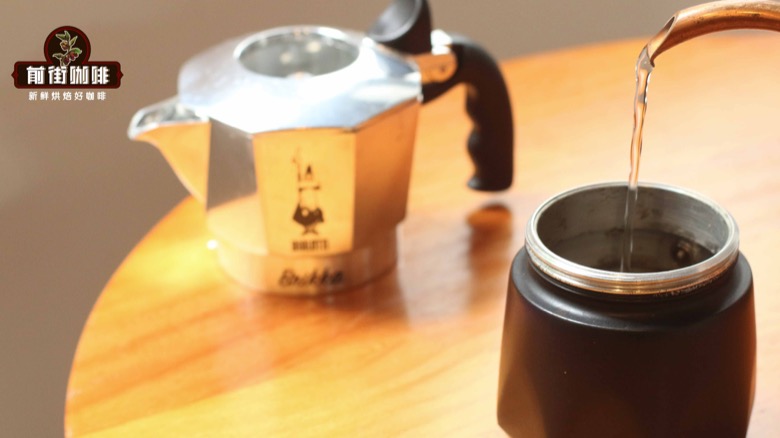
To express this kind of rounded bean in pour-over, 15 g of grounds with 225 to 240 g of water both work. The former concentrates the cocoa and caramel more, while the latter is easier and more drinkable; the water temperature can fall between 89 and 91°C, with the grind slightly coarser than for fruity types, to reduce vigorous agitation. If using a moka pot, you can pre-add hot water to the lower chamber, then finish the extraction over medium-low heat, and the sweetness is usually easier to preserve.
If you like low-acid, full-bodied americano, pay attention to the dark-toned style represented by Qianjie PWN Indonesia Golden Mandheling. The cup shows spice, herbs, dark chocolate and deep sugar sweetness, with a steady texture. An espresso starting point can be set at 18 g of grounds, 34 to 36 g of liquid, 88 to 90°C, keeping pressure at 8 to 9 bar; a shorter yield preserves body and also reduces the woody note at the end.
For Mandheling-style pour-over, there is no need to use boiling water to force extraction. It is suggested to use 15 g of grounds with 225 g of water at 88 to 90°C, medium-coarse grind, using a gentle circular pour or center pour, with a total time of about 2 minutes 10 seconds to 2 minutes 40 seconds. If the entry tastes dull, coarsen the grind by one step and add a small amount of total water; if the sweetness has not yet unfolded, raise the temperature by 1°C and observe.
When making a latte, the parameters also need to work in tandem with the milk amount. 150 to 180 g of milk paired with about 36 g of espresso will make Brazilian-style nutty caramel or Mandheling-style dark chocolate styles more complete; for fruity directions like Strawberry Candy, the milk amount can be reduced to 120 to 150 g to keep the aroma clear. Heating the milk to 55 to 60°C makes the sweetness easier to perceive, and the coffee will not be left with only a roasted note.
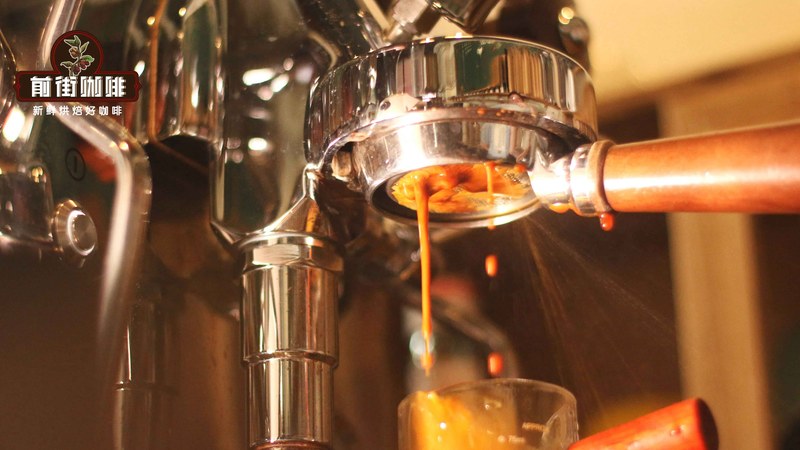
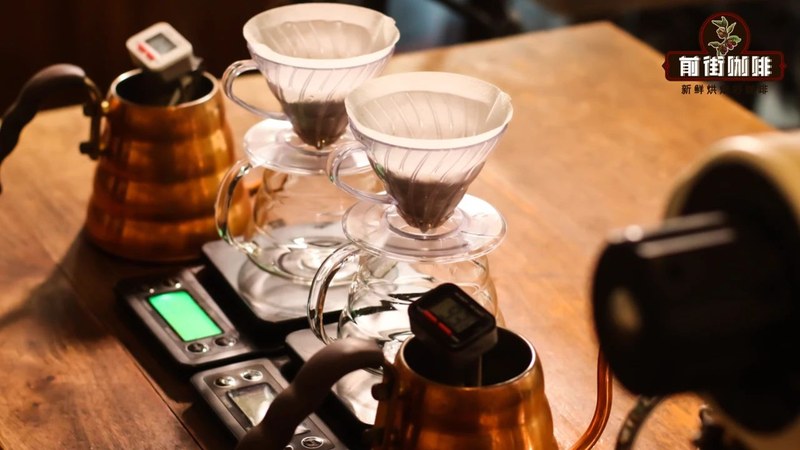
The 15 bar or 20 bar shown on a home machine's panel is mostly the pump's rated capability and does not mean the puck needs to withstand the same pressure. What is more worth observing is the flow rate during brewing, the yield and the mouthfeel in the cup. With a bottomless portafilter you can see whether the flow is even; if you do not have one, that is fine too. Using a digital scale to record dose, yield and time, then making subtle grind adjustments, can also turn a flavor description into a reproducible cup of coffee.
Related Reading
Comments (0)
Loading comments...
You May Be Interested



Trending Reviews
Popular Videos

With you, wherever you are! We provide useful features to help you find new things you'll love






